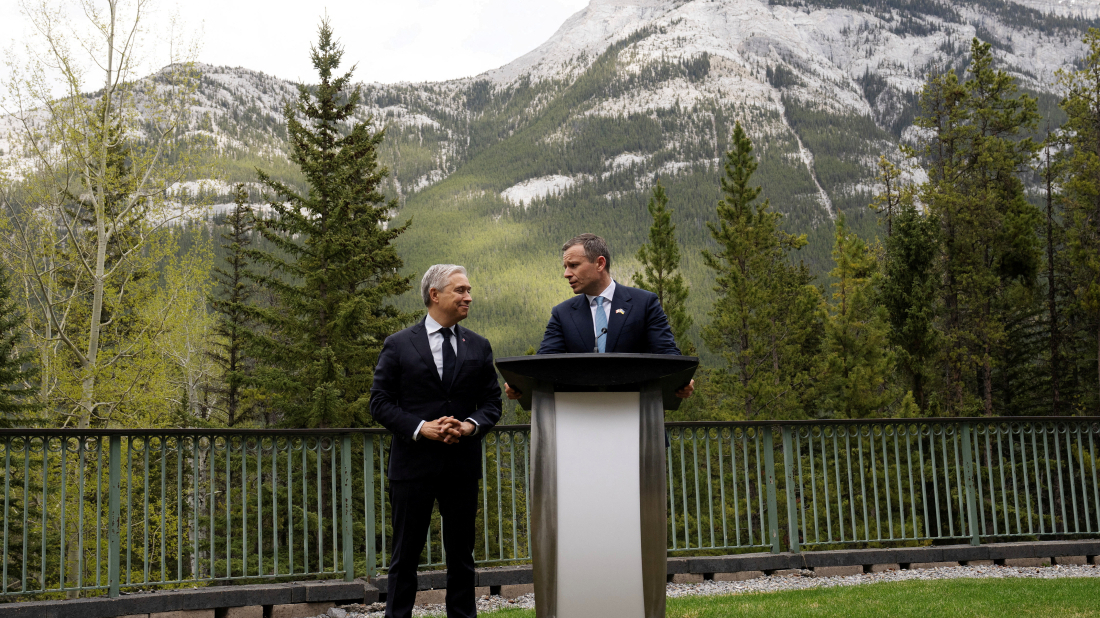
Finance ministers from the G7 countries are meeting in Banff for a three-day summit to talk about major global issues, including support for Ukraine, trade tensions with China, and concerns over U.S. policy under President Donald Trump.
Top finance leaders from G7 nations gathered in Alberta, Canada, on Tuesday to address the ongoing war in Ukraine and growing global economic instability, much of it driven by U.S. President Donald Trump's tariffs. The summit, which runs through Thursday, aims to tackle shared economic challenges and forge a unified stance on Ukraine, with Ukrainian officials invited to take part in the discussions.
Canada emphasized its continued support for Ukraine by including a Ukrainian minister at the opening of the talks. “Ukraine’s presence sends a strong message to the world,” said Canadian Finance Minister François-Philippe Champagne, reaffirming the G7's commitment to backing Ukraine against Russia's invasion. He also noted that the group would discuss plans for Ukraine’s post-war reconstruction during the summit.
The meeting comes at a time of uncertainty in G7 unity over Ukraine, particularly following Trump’s return to power. Once closely aligned, the G7 bloc—comprising Britain, Canada, France, Germany, Italy, Japan, and the U.S.—has seen tensions rise due to Trump’s outreach to Russia and the imposition of tariffs on both allies and rivals.
Ukrainian Finance Minister Sergii Marchenko said he would use the summit to press for increased pressure on Russia and reinforce Ukraine’s key priorities.
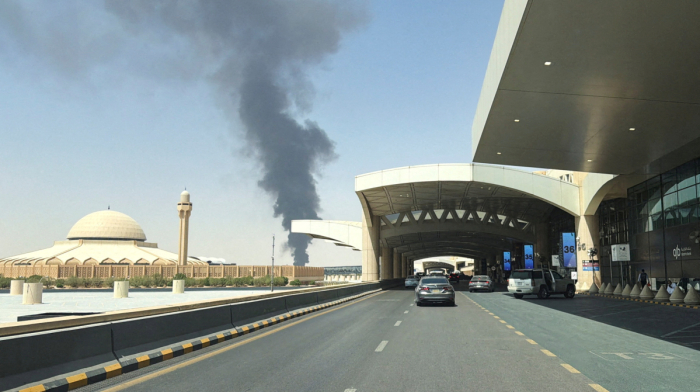
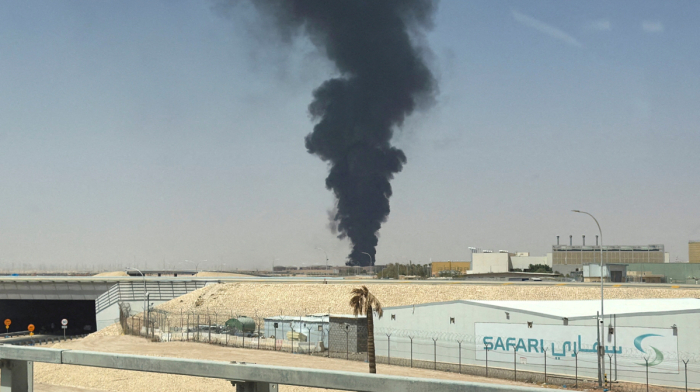
The explosion at King Khalid International Airport in Riyadh on Saturday afternoon killed at least 12 people and injured a further 309, according to Saudi Arabia’s Civil Aviation Authority. The airport remains closed until further notice.
One person was killed and nearly a dozen hurt in a fresh attack on Riyadh's international airport on Sunday, Saudi authorities reported, a day after a strike claimed by Yemen's Houthis killed 13 people and wounded more than 300.
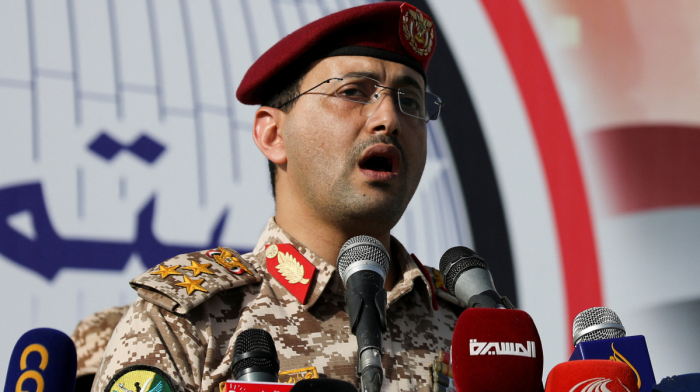
Yemen's Houthis renewed warning to airlines, airport workers, and travellers against using Saudi airports, saying the warning should be taken seriously and that the kingdom “bore responsibility for failed interceptions”, a day after an attack on Riyadh's international airport that killed 12 people.
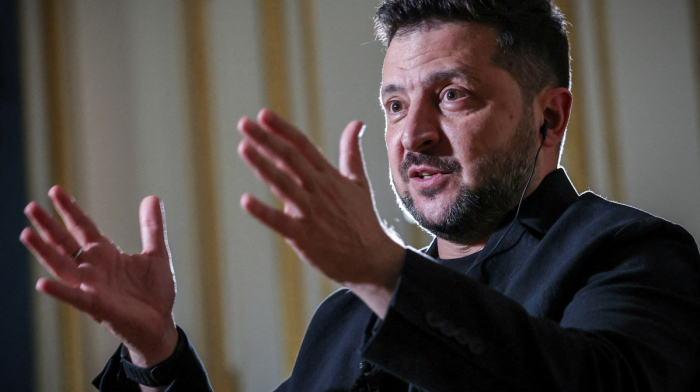
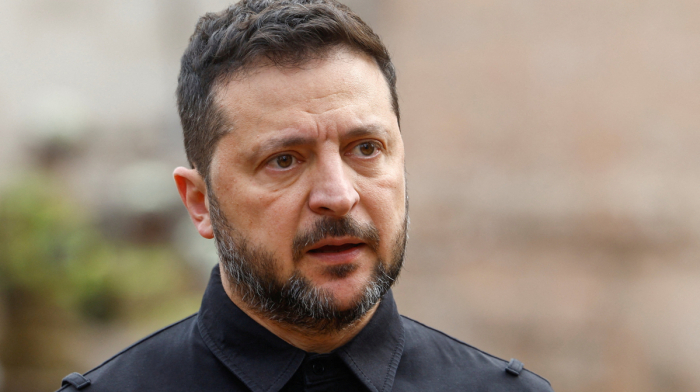
Ukraine is ready to stop attacks on Russian oil refineries if Moscow also halts strikes on Ukrainian energy infrastructure, President Volodymyr Zelenskyy said on Sunday.
The Kremlin on Monday rejected a 60-day ceasefire idea proposed by Ukrainian President Volodymyr Zelenskyy to allow his country to hold presidential elections, saying it wanted an overall peace deal instead.
Ukrainian President Volodymyr Zelenskyy said on Monday that Ukraine is ready to respect the energy ceasefire announced by U.S. President Donald Trump, but only if Russia does the same, saying Moscow has already violated the agreement.
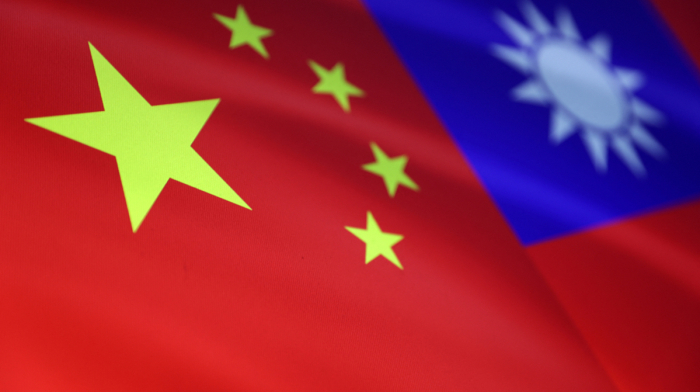
China has announced sanctions against Belize’s foreign minister and Paraguay’s communications minister over their countries’ diplomatic ties with Taiwan. The move comes as Beijing continues to pressure the few remaining nations that maintain formal diplomatic relations with Taipei.
Download the AnewZ app
You can download the AnewZ application from Play Store and the App Store.











What is your opinion on this topic?
Leave the first comment