live U.S. to apply measures 'never seen before' on Iran, Trump official says
The U.S. will impose "never seen before" measures on Iran in order to economically isolate the country, Washington's Treasury Secreta...
Chancellor Rachel Reeves says the UK is close to securing a trade agreement with six Gulf countries, including Qatar and Saudi Arabia, as part of its post-Brexit drive to expand global trade ties.
The United Kingdom is nearing completion of a major trade agreement with six Gulf Cooperation Council (GCC) countries - Bahrain, Kuwait, Oman, Qatar, Saudi Arabia, and the United Arab Emirates - Chancellor Rachel Reeves confirmed in an interview with the BBC on Tuesday.
Describing the pact as London’s “next deal,” Reeves highlighted the UK’s intensified global trade efforts following Brexit. She pointed to the recent signing of trade agreements with the United States, the European Union, and India, all within the last two weeks, as evidence of the UK’s strengthened global position.
“Britain is in a better place than any other country in the world in terms of deals with those countries,” Reeves said. “The first deal and the best deal so far with the US, we’ve got the best deal with the EU for any country outside the EU, and we’ve got the best trade agreement with India.”
She emphasized the economic opportunities that stronger ties with the Gulf region could bring, particularly in sectors such as energy, infrastructure, and finance.
Negotiations with the GCC were launched under the previous Conservative government and have continued under Labour. The deal is seen as a key step in enhancing the UK's presence in the Middle East and diversifying its trade portfolio.

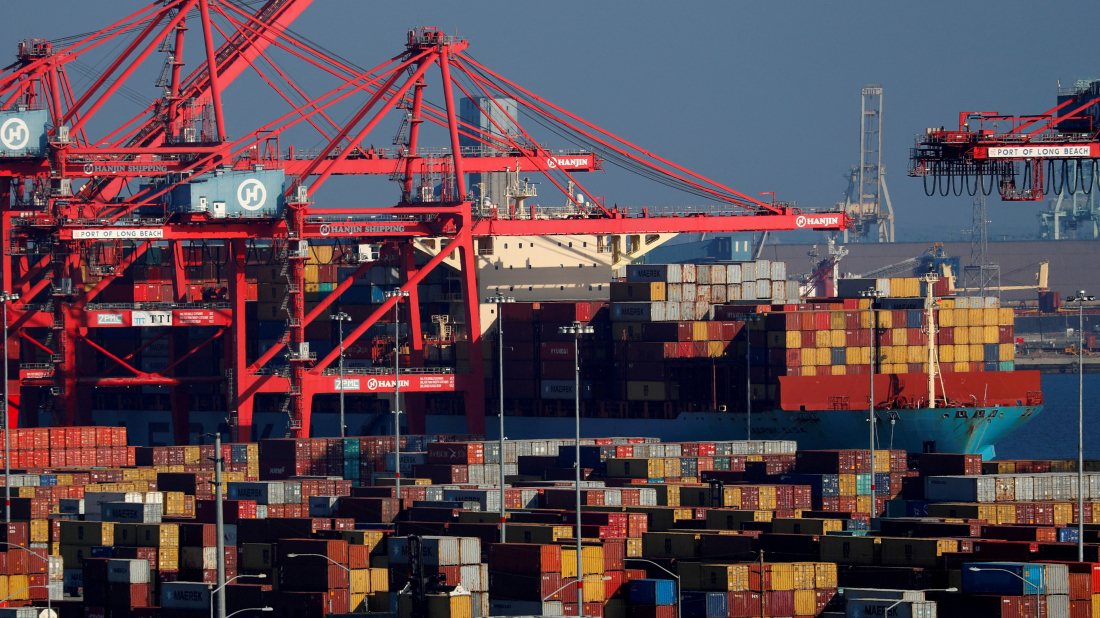
Disruption in the Strait of Hormuz has increased the strategic importance of Bab al-Mandab, raising fears that instability in both waterways could trigger a wider global energy and trade crisis.
Flights at Catania airport in Sicily will remain suspended until early Friday as ash from Mount Etna continues to disrupt air travel, following hundreds of cancellations and diversions over the past week.
Iran says the Strait of Hormuz remains under its control, rejecting U.S. President Donald Trump’s claim of “total control” over the strategic waterway and insisting it will not reopen until Washington fulfils its commitments under an interim deal.
Iran and the United States remain at loggerheads over efforts to agree a permanent end to the war in the Gulf, according to a senior Iranian source who said there had been no progress in talks to revive the interim deal agreed in June and define a timeframe to implement it.
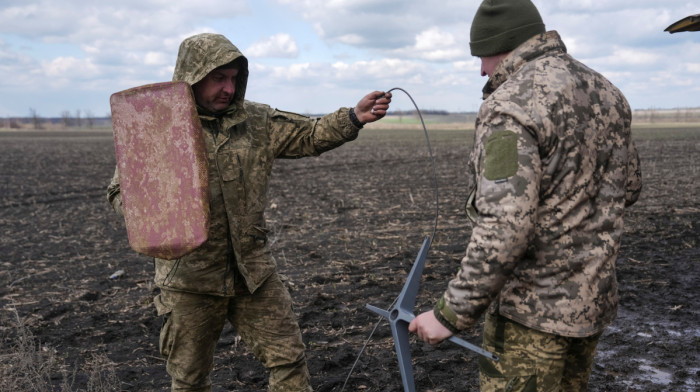
Russia has accused Ukraine of threatening global grain supplies after recent strikes on Black Sea agricultural infrastructure, while Moscow carried out a new overnight attack on Ukraine’s major Danube port of Izmail.
President Donald Trump has ordered the U.S. Navy to abandon its next planned electromagnetic aircraft launch system and return to steam-powered catapults on a future aircraft carrier, while also authorising limited overseas ship construction to help address naval capacity shortfalls.
A diplomatic dispute has erupted between Cuba and the Dominican Republic after Santo Domingo ordered the withdrawal of several Cuban diplomats and their family members, prompting a sharp response from Havana.
Brazil has taken the first formal step towards potential retaliatory action against the United States following the Trump administration's decision to impose new tariffs on Brazilian exports, signalling a further deterioration in relations between the two countries.
U.S. Defense Secretary Pete Hegseth said on Thursday that reports about poor conditions aboard aircraft carrier the USS Abraham Lincoln in the Middle East were "completely misrepresented."
One person has been killed and six others injured after an explosion at a petroleum storage facility at the Port of Rotterdam, prompting an investigation into the cause.
You can download the AnewZ application from Play Store and the App Store.
What is your opinion on this topic?
Leave the first comment