live Russia, Ukraine preparing new major prisoner exchange
Russia and Ukraine are preparing another major prisoner exchange, with officials from both sides working to fin...
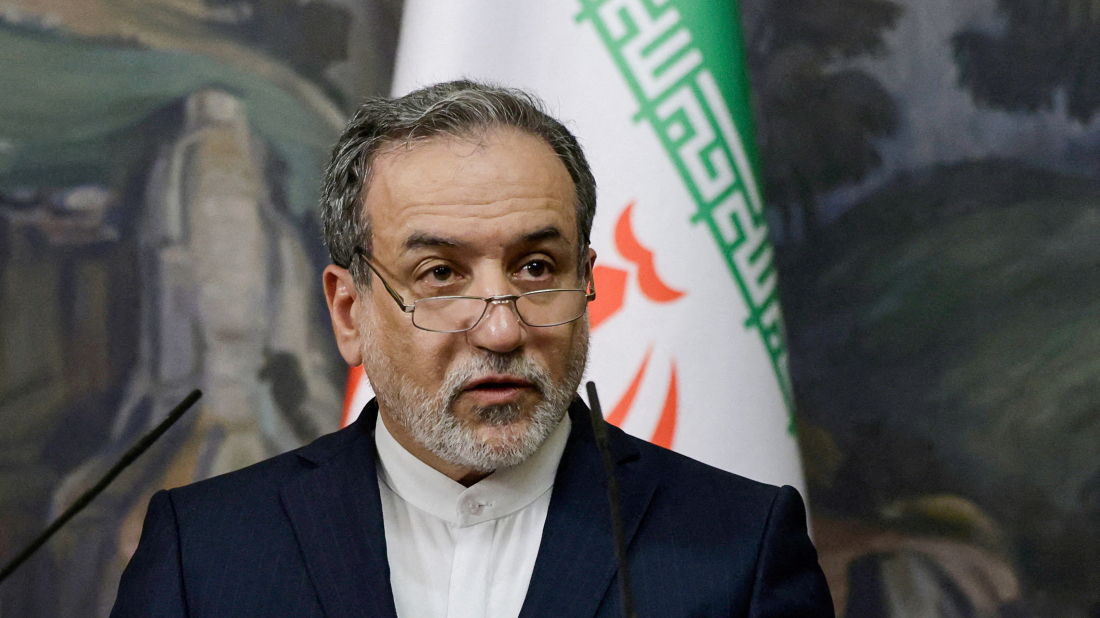
Iran’s Foreign Minister Abbas Araghchi has denied receiving any written nuclear deal proposal from the United States, calling the US messaging “confusing and contradictory.” This comes just hours after President Donald Trump warned Tehran that it could face “something bad” if it fails to quickly accept a US offer.
Speaking on Air Force One after his Middle East tour, Trump said the US has made a proposal but did not share details. The warning adds pressure amid ongoing indirect nuclear negotiations between Iran and the US, mediated by Oman.
Last Sunday’s talks in Muscat addressed several difficult issues, but no breakthrough has yet been confirmed. Araghchi, who leads Iran’s nuclear team, reaffirmed Iran’s position: it demands respect for its rights and an end to sanctions before any deal can be reached. He stressed that Iran will not abandon its right to uranium enrichment for peaceful purposes, a right guaranteed under the Nuclear Non-Proliferation Treaty.
Araghchi emphasized Iran’s willingness for dialogue based on mutual respect, highlighting Tehran’s resilience in resisting external pressure.
During his trip, Trump expressed optimism about progress, saying the US was “getting close” to a deal with Iran despite harsh rhetoric on both sides.
Meanwhile, talks continued on Friday in Istanbul between Iran and the European Troika — France, Germany, and the UK. European officials warned they may reinstate sanctions if no agreement is reached. Araghchi cautioned that such a move could trigger “irreversible” consequences and risk a global nuclear proliferation crisis.

Oil prices fell after the U.S. expanded economic sanctions on Iran, as Tehran vowed to retaliate and warned it had tools to respond, raising concerns over potential disruption to regional oil supplies.
Ukraine’s President Volodymyr Zelenskyy said on Monday that Kyiv wants peace but will not surrender to Russia, as foreign leaders joined Independence Day events marking 35 years since Ukraine’s independence.
Kyiv has recently received a small number of U.S.-made Patriot interceptors capable of downing Russian ballistic missiles, Ukrainian President Volodymyr Zelenskyy has said. It comes as Britain and France pledged stronger military support for Ukraine.
Only four commodity vessels crossed the Strait of Hormuz on Sunday, following 13 transits a day earlier, as disruptions continue to restrict traffic through the key energy chokepoint.
Secretary of State Marco Rubio told allied foreign ministers Washington will focus on sanctions and other pressure on Iran “for the time being”, Axios reports. Meanwhile, Iran and Oman have resumed talks on a temporary shipping route through the Strait of Hormuz.
Russia and Ukraine are preparing another major prisoner exchange, with officials from both sides working to finalise lists of people who could be released, Russia's state news agency TASS said Wednesday.
Start your day informed with AnewZ Morning Brief. Here are the top news stories for the 26th of August, covering the latest developments.
U.S. President Donald Trump has formally sent a landmark nuclear cooperation agreement with Saudi Arabia to Congress, opening a new phase in a deal that has already sparked debate over nuclear proliferation and Riyadh's ambitions.
The Trump administration has temporarily suspended some visa appointment scheduling at U.S. embassies and consulates around the world as part of a new training initiative for consular staff, adding another layer to the administration's broader immigration policy overhaul.
The United States has launched what it describes as its most aggressive sanctions campaign yet against Iran, expanding secondary sanctions and targeting sectors ranging from shipping and aviation to technology and finance.
You can download the AnewZ application from Play Store and the App Store.
What is your opinion on this topic?
Leave the first comment