live Iran closes Strait of Hormuz again over U.S. blockade, state media says- Saturday 18 April
Iran's Islamic Revolutionary Guards Corps (IRGC) said in a Saturday statement that the Strait of Hormuz has...
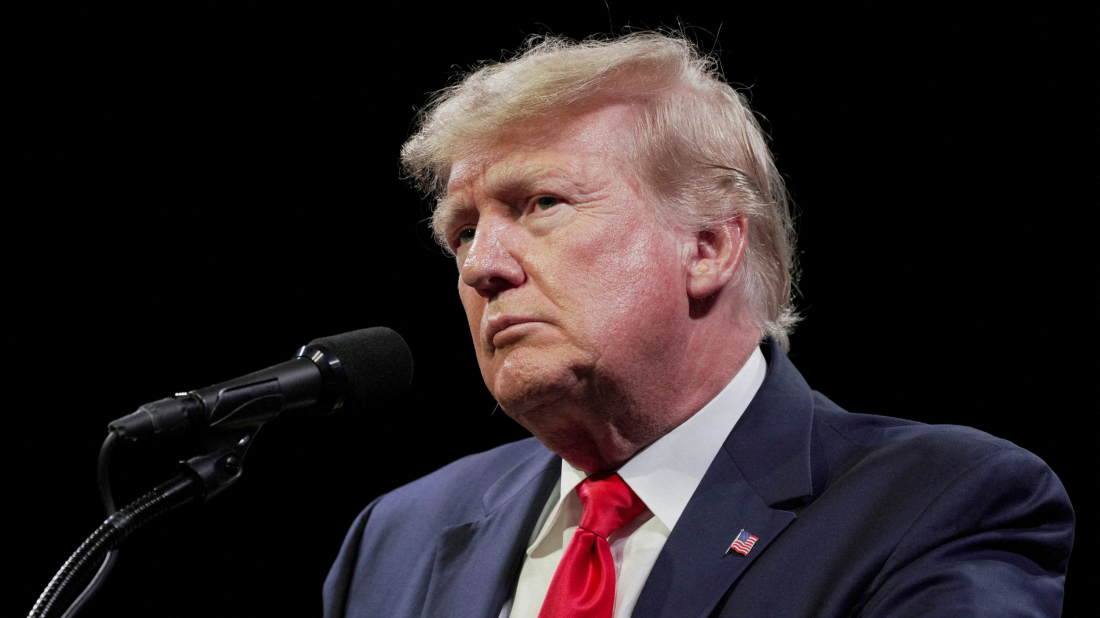
President Donald Trump and U.K. Prime Minister Keir Starmer have reached a trade agreement that lowers U.S. tariffs on British autos, steel, and aluminum, while maintaining a 10% baseline tariff on other goods and boosting American exports of beef and ethanol.
President Donald Trump announced a new trade agreement with the United Kingdom on Thursday that cuts U.S. import taxes on key British goods - autos, steel, and aluminum - while preserving a 10% baseline tariff on other U.K. imports.
In return, the U.K. will lower tariffs on 2,500 American products, such as wine, olive oil, and sports gear, and increase imports of U.S. beef and ethanol. The U.K. also committed to simplifying customs procedures for U.S. goods.
The auto tariff on British cars will drop from 27.5% to 10% for up to 100,000 vehicles annually. Steel and aluminum tariffs will fall from 25% to zero. Trump called the 10% rate “a low number,” suggesting that other countries negotiating with the U.S. might face higher rates based on trade imbalances.
Commerce Secretary Howard Lutnick confirmed that a major British company is preparing to buy $10 billion worth of Boeing aircraft.
Prime Minister Starmer, speaking to Trump during a public phone call on the anniversary of Victory in Europe Day, called the deal “historic” and said it would help protect thousands of U.K. manufacturing jobs. Speaking later at a Jaguar Land Rover plant, Starmer said this agreement was “just the start” of broader trade engagement.
Trump touted the deal as evidence of his administration’s ability to secure favorable terms and remained optimistic about the U.S. economy, predicting a strong stock market performance. He downplayed inflation concerns and dismissed corporate warnings about price increases as negotiation tactics.

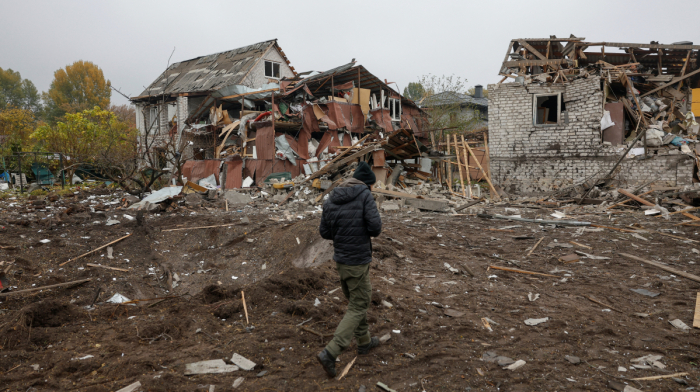
The past 24 hours of the Russia-Ukraine war have seen a drastic escalation in both aerial bombardment and frontline losses.
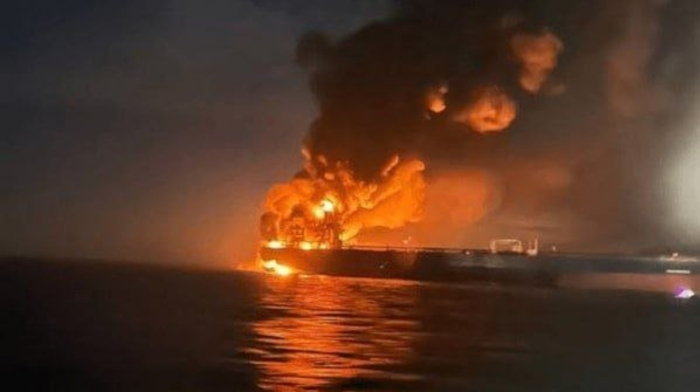
Iran reopened the Strait of Hormuz to commercial shipping on Friday (17 April) for the first time since the U.S. and Israel killed Iran's ex-Supreme Leader in air strikes, triggering the Middle East conflict, at the end of February. A U.S. blockade on Iranian ports, however, remains in force.
Russia published addresses of manufacturers allegedly producing drones or components for Ukraine on Wednesday (15 April), warning European countries against plans to step up UAV supplies to Kyiv.
Iran's Islamic Revolutionary Guards Corps (IRGC) said in a Saturday statement that the Strait of Hormuz has returned to its "previous state" under the control of its "armed forces," citing the ongoing U.S. blockade on Iranian ports.
Netflix shares fell sharply on Friday after the streaming group issued a weaker-than-expected outlook and said chairman and co-founder Reed Hastings will step down from the board.
The Trump administration extended a sanctions exemption on some Russian oil as prices continue to skyrocket in the wake of the U.S.- Israeli war against Iran on Friday (17 April).
Australia and Japan signed contracts on Saturday (18 April) launching their landmark A$10 billion ($7 billion) deal to supply Australia with warships, Tokyo's most consequential military sale since ending a military export ban in 2014.
Leaders from across Europe and beyond gathered in Paris on Friday for a summit aimed at managing the global impact of the Middle East conflict.
European leaders have set out plans for a coordinated defensive mission to restore freedom of navigation in the Strait of Hormuz, once security conditions allow, following talks involving more than 40 countries.
NeaNearly 900 Rohingya refugees were reported missing or dead in the Andaman Sea off Myanmar in 2025, making it the deadliest year on record, the United Nations Refugee Agency said on Friday.
You can download the AnewZ application from Play Store and the App Store.
What is your opinion on this topic?
Leave the first comment