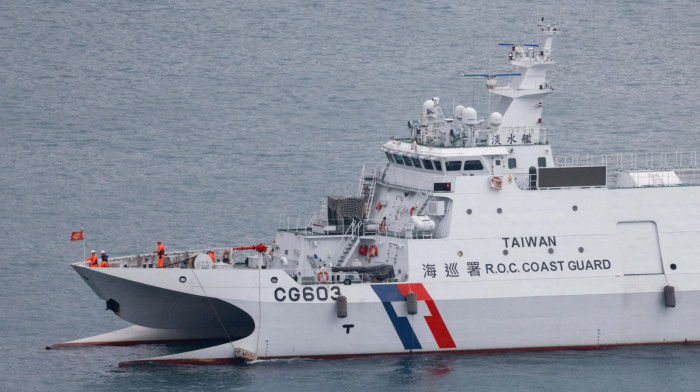
FBI arrives in Cuba to investigate deadly speedboat shootout
A technical team from the United States Federal Bureau of Investigation (FBI) has touched down in Cuba this wee...
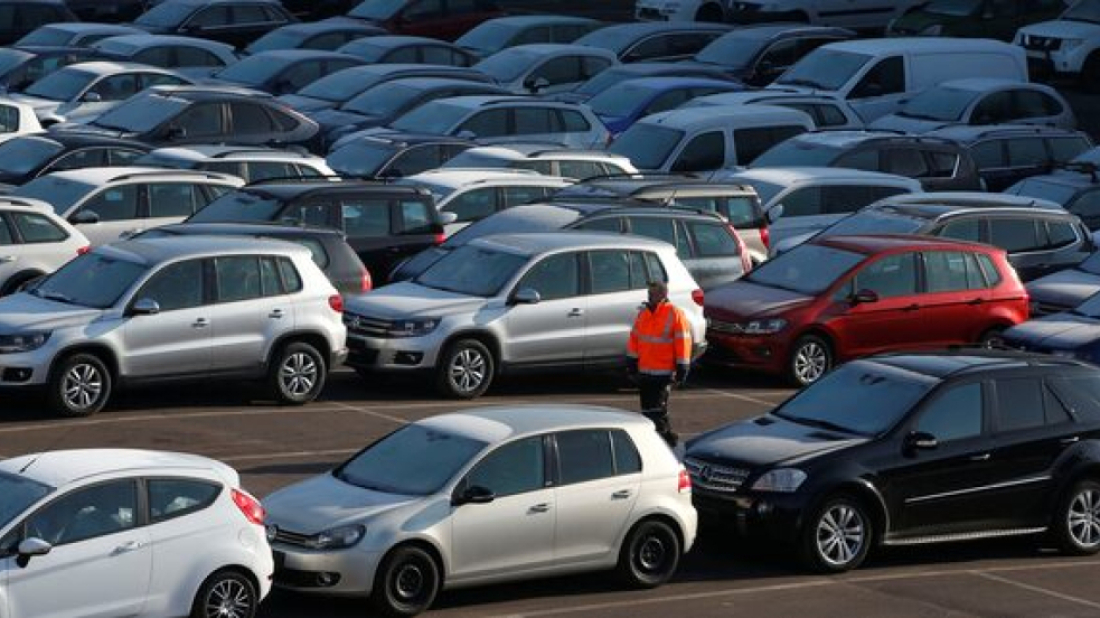
The European Parliament has approved a relaxation of car and van CO₂ emissions targets, giving automakers more time to comply and potentially avoid billions in fines, following concerns over their readiness to meet 2025 goals.
European carmakers will now have additional time to meet EU carbon emissions targets, after the European Parliament backed a proposal to soften the rules - potentially reducing fines estimated at up to €15 billion.
The move comes amid concerns that the original targets, which rely heavily on the rapid rollout of electric vehicles, would be difficult to meet given that many European automakers lag behind their Chinese and American competitors in EV sales.
In response to sustained lobbying from the industry, the European Commission proposed that carmakers be assessed on their average emissions over the 2025-2027 period, rather than solely in 2025. The Parliament voted 458 in favor, 101 against, with 14 abstentions.
European Commission President Ursula von der Leyen defended the decision, saying it would offer manufacturers “breathing space.” Despite the change, Volkswagen noted that the extended compliance window would still present a significant challenge in 2025.
However, critics argue that automakers have had ample time - seven years - to prepare for the targets, and claim the projected fines have been significantly overstated.

The Iran-U.S.-Israel conflict is intensifying, with fresh strikes near Tehran, European calls for restraint, and Iran threatening to target U.S. firms in the region, raising fears of a broader escalation across the Middle East.
There are fears of an oil spill after a drone strike hit a Kuwaiti oil tanker near Dubai on Tuesday, while U.S.-Israeli strikes in Iran reportedly killed at least two people. A loud explosion was heard in Beirut in southern Lebanon early Wednesday, as oil prices climbed above $100 a barrel.
Russian-flagged tanker carrying approximately 700,000 barrels of crude oil docked at Cuba's Matanzas oil terminal on Tuesday, shipping data confirmed, marking a vital and controversial delivery to an island paralysed by severe energy shortages and a suffocating U.S. blockade.
A Russian military An-26 aircraft has crashed in Crimea, killing all 30 people on board, Russia’s Defence Ministry has confirmed.
Three Armenian citizens have been charged following an alleged attempt to attack Prime Minister Nikol Pashinyan at St Anna Cathedral in Yerevan on 29 March. Analysts say the incident reflects rising tensions between the government and the Church ahead of upcoming elections.
A technical team from the United States Federal Bureau of Investigation (FBI) has touched down in Cuba this week to launch an "independent investigation" into a deadly maritime shootout that happened on 25 February.
“He is not… the owner!” U.S. District Judge Richard J. Leon wrote, temporarily halting construction of President Donald Trump’s $400 million White House ballroom, underscoring a cascade of legal, regulatory and public opposition that has engulfed the controversial expansion.
Start your day informed with the AnewZ Morning Brief. Here are the top stories for 2 April, covering the latest developments you need to know
President Volodymyr Zelenskyy criticised Russia for answering his offer of an Easter ceasefire with airstrikes on Wednesday but he praised as "positive" fresh talks with U.S. mediators aimed at resolving the four-year conflict.
NATO Secretary-General Mark Rutte will visit Washington next week for what a spokesperson for the military alliance called a "long-planned visit" that comes after President Donald Trump blasted European allies over differences on the Iran war.
You can download the AnewZ application from Play Store and the App Store.
What is your opinion on this topic?
Leave the first comment