Ekrem İmamoğlu: Corruption trial of İstanbul Mayor continues
Just under a year after being arrested and imprisoned at Silivri prison in the west of İstanbul, İmamoğlu appeared in good spirit...
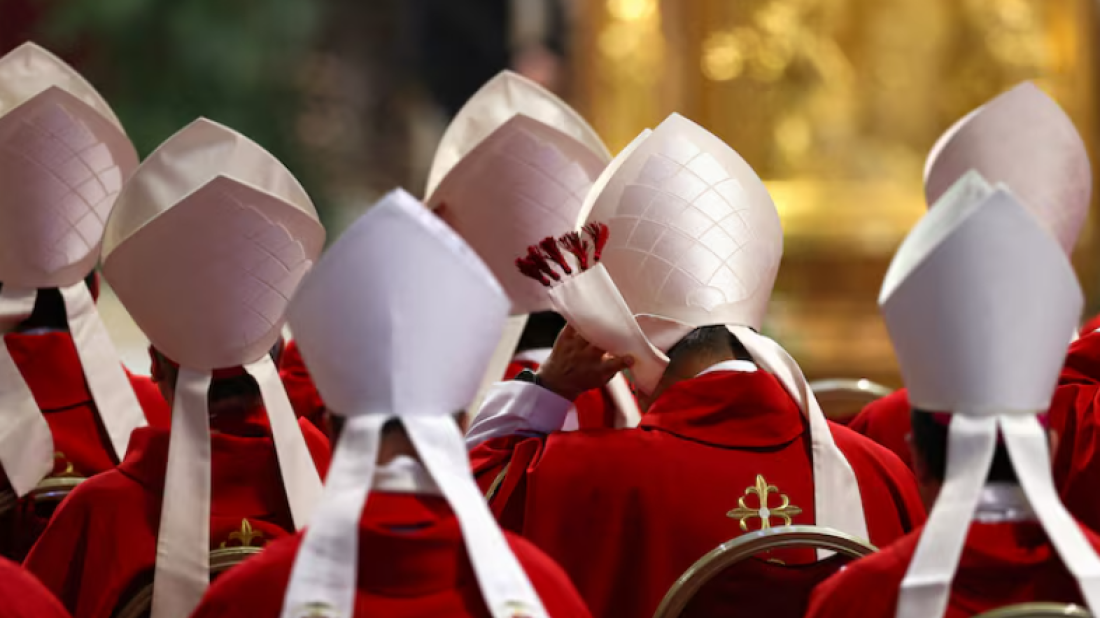
Cardinals have returned to the Sistine Chapel to continue voting for a new pope after the initial ballot on Wednesday failed to produce a winner, signaling an extended conclave process.
Cardinals reconvened in the Sistine Chapel to resume the voting process for selecting a new pope, after the first round of balloting concluded without a consensus. Black smoke rising from the chapel’s chimney on Wednesday confirmed that no candidate had yet achieved the required two-thirds majority.
Some of the 133 electors had anticipated a swift conclave, believing consensus could be reached quickly on a successor to Pope Francis. However, it may take several additional rounds of voting before one candidate secures the 89 votes needed to become the 267th pope in Catholic Church history.
Historically, the conclave has varied in length. Pope John Paul I was chosen on the fourth ballot in 1978, while John Paul II required eight. Pope Francis was elected on the fifth ballot in 2013.
The cardinals began the highly secretive process Wednesday afternoon, following centuries-old rituals behind closed doors within Vatican City.

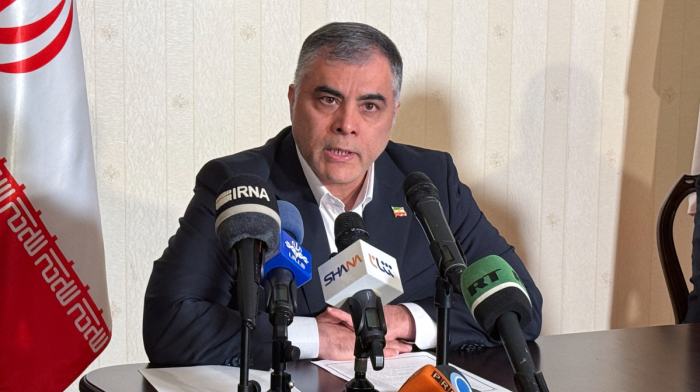
Mojtaba Khamenei, son of the late Ayatollah Ali Khamenei, is a hardline cleric with strong backing from the Islamic Revolutionary Guard Corps. His rise signals continuity in Tehran's anti-Western policies.
Global oil prices surpassed $119 a barrel on Monday (9 March, 2026), an almost four year high, as the Middle East conflict rumbled on.
China has urged Afghanistan and Pakistan to resolve their dispute through dialogue after Chinese envoy Yue Xiaoyong met Afghan Foreign Minister Amir Khan Muttaqi, as fighting between the two neighbours entered its eleventh day.
Iran named Mojtaba Khamenei to succeed his father Ali Khamenei as supreme leader on Monday (9 March), signaling that hardliners remain firmly in charge, as the week-old U.S.-Israeli war with Iran pushed oil above $100 a barrel.
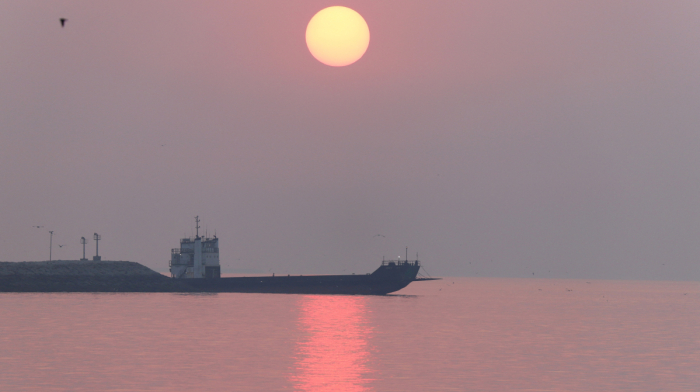
Entry and exit across the state border between Azerbaijan and Iran for all types of cargo vehicles, including those in transit, will resume on 9 March, according to a statement by the Cabinet of Ministers of Azerbaijan.
Welcome to our live coverage as the conflict involving Iran enters its 11th day. Tensions in the region remain high as the United States and Iran exchange increasingly sharp warnings over the strategic Strait of Hormuz, a critical artery for global oil supplies.
U.S. President Donald Trump and UK Prime Minister Keir Starmer spoke by phone on Sunday as tensions between Washington and Westminster deepened over the conflict involving Iran. The call came less than a day after Trump criticised Britain’s response to U.S. strikes on Iranian targets.
Norwegian police are searching for a suspect after an explosion at the U.S. embassy in Oslo on 8 March caused minor damage but no injuries, in what authorities say may have been a deliberate attack linked to the Middle East crisis.
An explosion damaged a synagogue in the Belgian city of Liège early on Monday (9 March) in what authorities said was an antisemitic attack that caused damage but no injuries.
The Group of Seven (G7) finance ministers will meet on Monday to discuss a global rise in oil prices and a joint release of oil from emergency reserves coordinated by the International Energy Agency, the Financial Times reports.
You can download the AnewZ application from Play Store and the App Store.
What is your opinion on this topic?
Leave the first comment