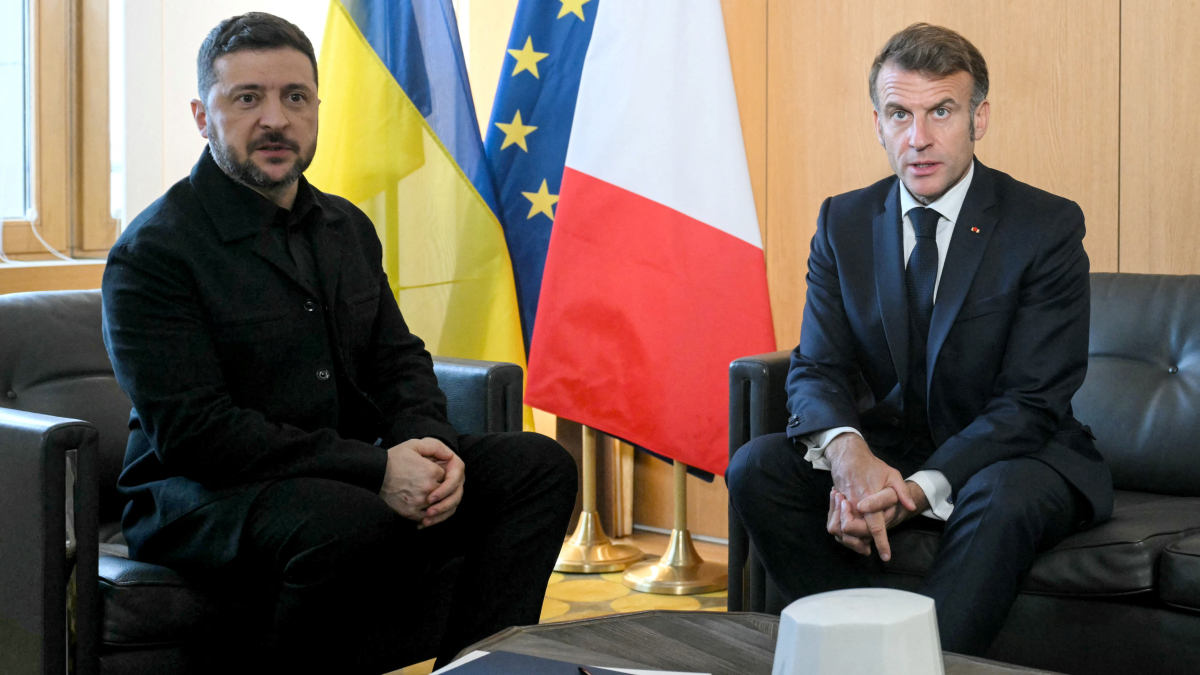
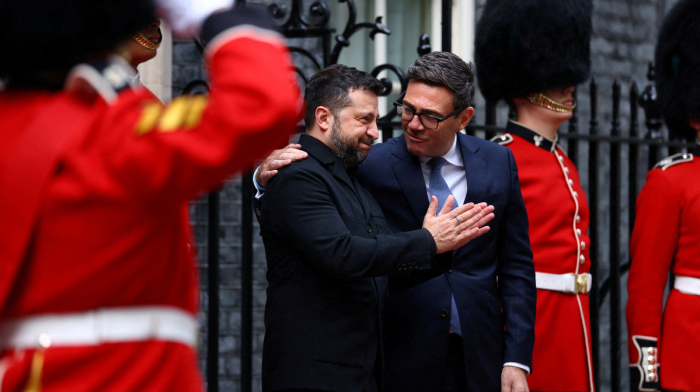
Ukraine is seeking to secure a new wave of long-term military support as President Volodymyr Zelenskyy meets French President Emmanuel Macron in Paris on Monday (17 November), with air-defence systems, fighter jets and advanced missiles at the centre of today’s talks.
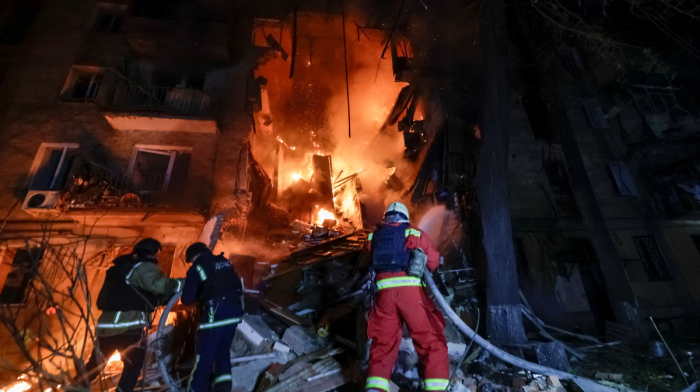
The meeting, held at the Élysée Palace, comes as Russia intensifies drone and missile strikes across Ukraine and reports of heavy fighting continue in the Zaporizhzhia region.
French officials say the visit builds directly on commitments made by the Coalition of the Willing allies, a group led by France and Britain, which met on 24 October to coordinate durable assistance for Kyiv.
President Zelenskyy said an “historic agreement” had been prepared, promising a substantial upgrade to Ukraine’s air-defence network and combat aviation. Negotiations between Paris and Kyiv have been underway for weeks, as France examines how it can deepen its contribution despite domestic political and financial debates.
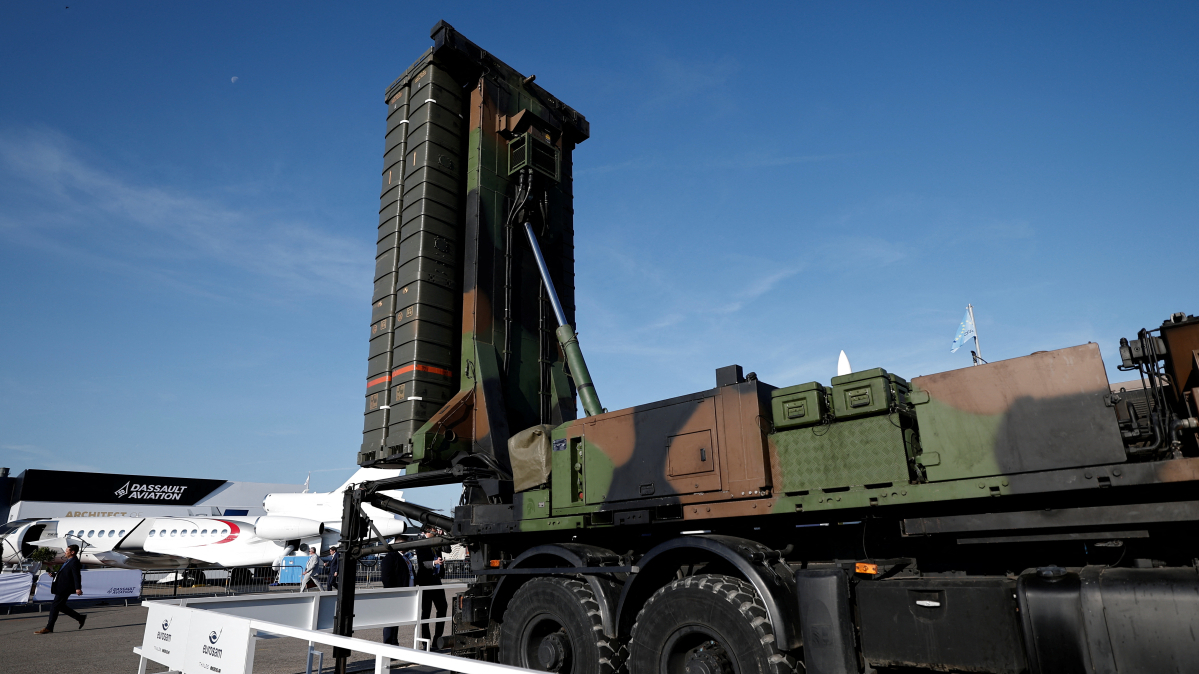
France has already pledged additional Mirage jets and Aster 30 missiles for Ukraine’s SAMP T air-defence batteries. People familiar with the discussions say today’s meeting may go further by launching a ten-year aviation framework centred on Dassault Rafale aircraft.
Some jets could come from French stocks, while long-term deliveries would feed into Kyiv’s aim to build a fleet of up to 250 modern warplanes, alongside the U.S. F-16 and Sweden’s Gripen.
Operating Rafale jets would require significant training, meaning the agreement is designed to secure Ukraine’s future airpower rather than provide an immediate battlefield effect.
Additional SAMP T systems, new-generation missiles and anti-drone technologies are also expected to feature in the final package, though financing mechanisms remain under negotiation.
Zelenskyy will meet French defence manufacturers, including Dassault, before signing letters of intent and contracts later in the day. A separate forum will bring together Ukrainian and French firms working in the drone sector, highlighting a deeper push toward joint industrial production.
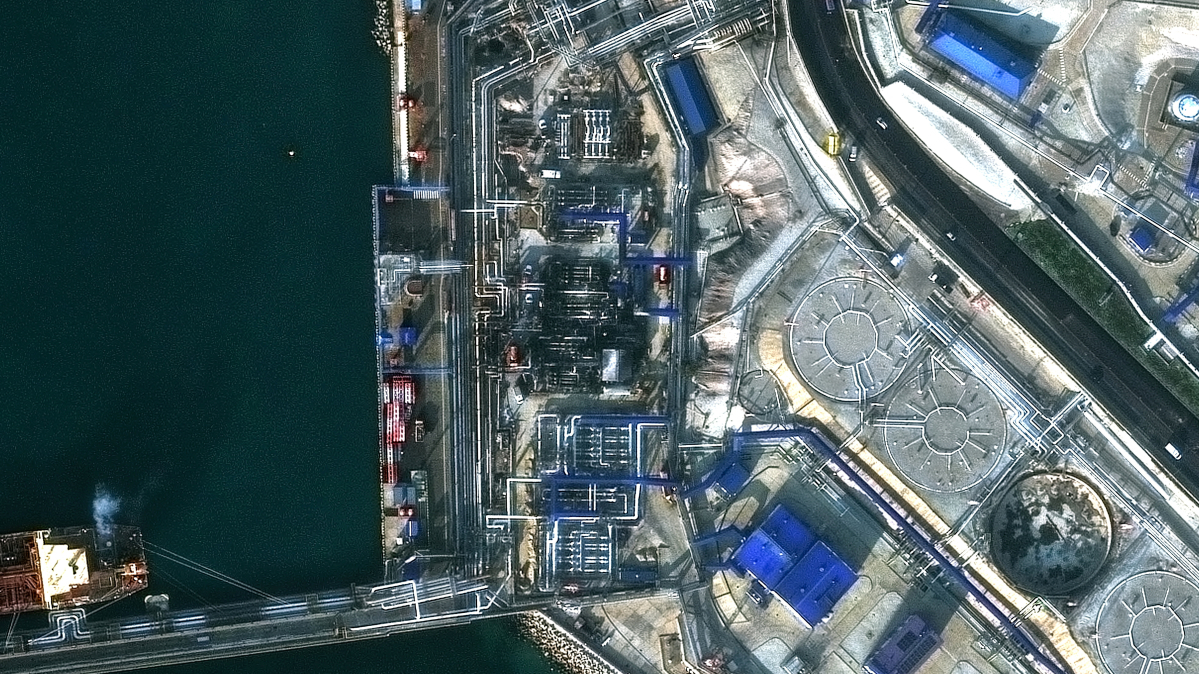
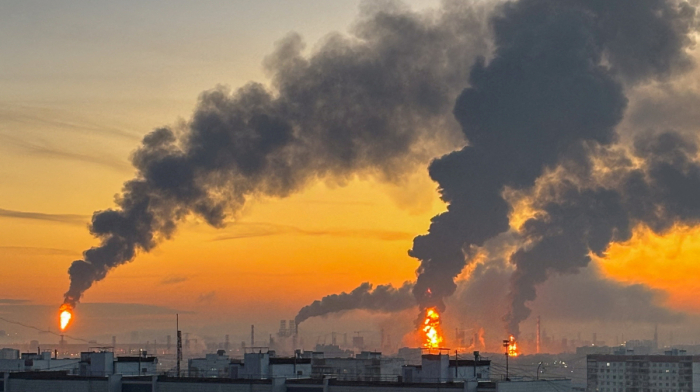
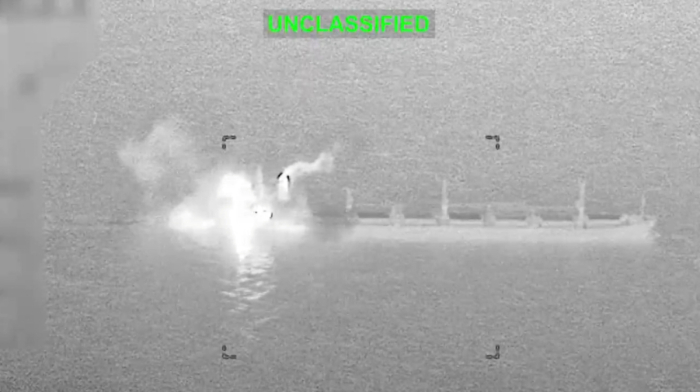
The visit comes during one of the heaviest periods of Russian strikes in recent weeks. Zelenskyy said Russia launched around 430 drones and 18 missiles in a massive overnight wave, while Russia’s port of Novorossiysk suspended oil exports following what authorities described as a major Ukrainian drone attack.
Across Europe, the discussion now extends to long-term financing. European Commission President Ursula von der Leyen has proposed using revenue from frozen Russian central bank assets in Belgium to raise a €140-billion loan for Ukraine, though Belgium has voiced legal concerns about reprisals from Moscow.
For France and Ukraine, the goal of today’s talks is twofold: securing immediate protection against Russian attacks and building a defence architecture strong enough to prevent future offensives.














What is your opinion on this topic?
Leave the first comment