U.S. says strikes on Iran complete as Tehran retaliates with attacks on U.S. bases in region
U.S. forces say they have completed strikes on Iranian military sites near the Strait of Hormuz. Iran responded with missile attacks on an American b...
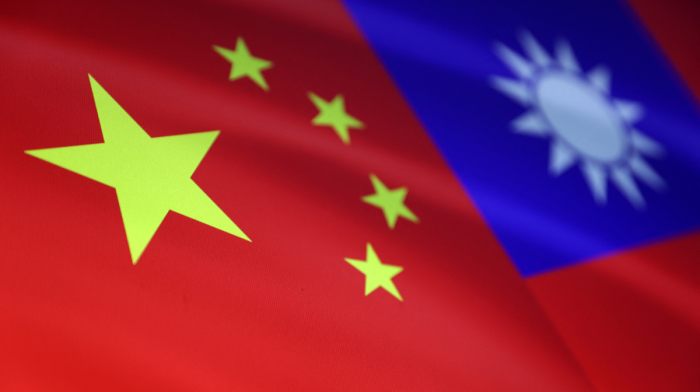
EU envoys will meet on Wednesday to discuss a 15th round of sanctions targeting Russian oil tankers and Chinese firms involved in drone production for Moscow. The new measures aim to further restrict Russia’s access to financial assets and tighten pressure on its oil revenue.
European Union envoys are set to meet on Wednesday to discuss a 15th round of sanctions against Russia in response to its 2022 invasion of Ukraine.
Among the proposed measures are sanctions targeting tankers transporting Russian oil and Chinese companies involved in the production of drones for Moscow, according to EU diplomats.
The new sanctions would add 29 entities and 54 individuals to the EU’s existing list, which already includes over 2,200 individuals and organisations. Those added to the list would face travel bans and asset freezes within the 27-member bloc, with little expectation of significant opposition, the diplomats noted.
A more substantial sanctions package is expected to be proposed in January, after Poland takes over the EU's rotating presidency from Hungary. Hungary’s Russia-friendly leader has previously delayed or blocked measures aimed at assisting Ukraine.
In September, Reuters revealed that Russia had established a weapons programme in China to develop and produce long-range attack drones. The proposed inclusion of 48 tankers in the sanctions list is part of ongoing efforts by Western allies to curb Russia’s oil revenues by reinforcing the G7 price cap on Russian oil, although Western officials acknowledge that the effectiveness of the cap is expected to wane over time.
The 16th sanctions package, anticipated later, is expected to impose tighter restrictions on Russian liquefied natural gas (LNG) flows and expand the use of the “No Russia” clause. This would require subsidiaries of EU companies based in third countries to prevent the re-export of certain goods to Russia.
The EU is also looking to target financial institutions that help Russia bypass Western sanctions, in a move similar to actions already taken by the United States earlier this year.

Azerbaijan's Foreign Ministry says 19 citizens have been repatriated following a deadly drone attack on two cargo ships in the Sea of Azov on 5 June.
A Sudanese man has been arrested over a knife attack in Belfast that left a man seriously injured and prompted calls online for a protest after footage of the incident circulated widely on social media.
Iran and Israel said on Monday (8 June) they had halted attacks on each other following an appeal from U.S. President Donald Trump, as Axios reported that Trump had privately told Benjamin Netanyahu “be careful, or you will be on your own very soon”.
Ukraine's military said it struck a Russian "shadow fleet" tanker in the Black Sea as part of ongoing efforts to disrupt Moscow's energy and logistics networks. The move underscores Kyiv's focus on targeting maritime assets it says are used to bypass sanctions on Russian oil exports.
Armenia’s parliamentary election has strengthened Prime Minister Nikol Pashinyan’s mandate, with analysts linking the result to his post-Garabagh agenda and pro-Western direction. However, constitutional constraints remain a key obstacle to peace efforts with Azerbaijan.
As global diplomatic dynamics continue to evolve, the European Union is reassessing its ability to respond effectively to major international developments, prompting renewed debate over defence coordination, foreign policy decision-making and institutional reform.
The FIFA World Cup 2026 is set to be one of a kind when it kicks off on 11 June, as it brings with it a slew of firsts ahead of co-hosts Mexico taking on South Africa in the opening match.
Turkish President Recep Tayyip Erdoğan has warned that Israel’s military operations in Syria and Lebanon have escalated to a point where they could threaten Türkiye, describing Israel’s actions as “aggression” that poses a broader global risk.
More than 1,300 migrants died or went missing while attempting to reach Spain between January and May 2026, according to Spanish NGO Caminando Fronteras, highlighting the continuing dangers of one of the world's deadliest migration corridors.
Rescuers searched the rubble of a collapsed building in the southern Philippine city of General Santos on Tuesday after a powerful earthquake killed at least 37 people and injured hundreds across the country.
You can download the AnewZ application from Play Store and the App Store.
What is your opinion on this topic?
Leave the first comment