Türkiye’s Gaza role depends on U.S.–Israel political consensus
Türkiye has signalled readiness to contribute to a proposed Gaza stabilisation force during the inaugural Board of Peace meeting on Thursday (19 Febr...
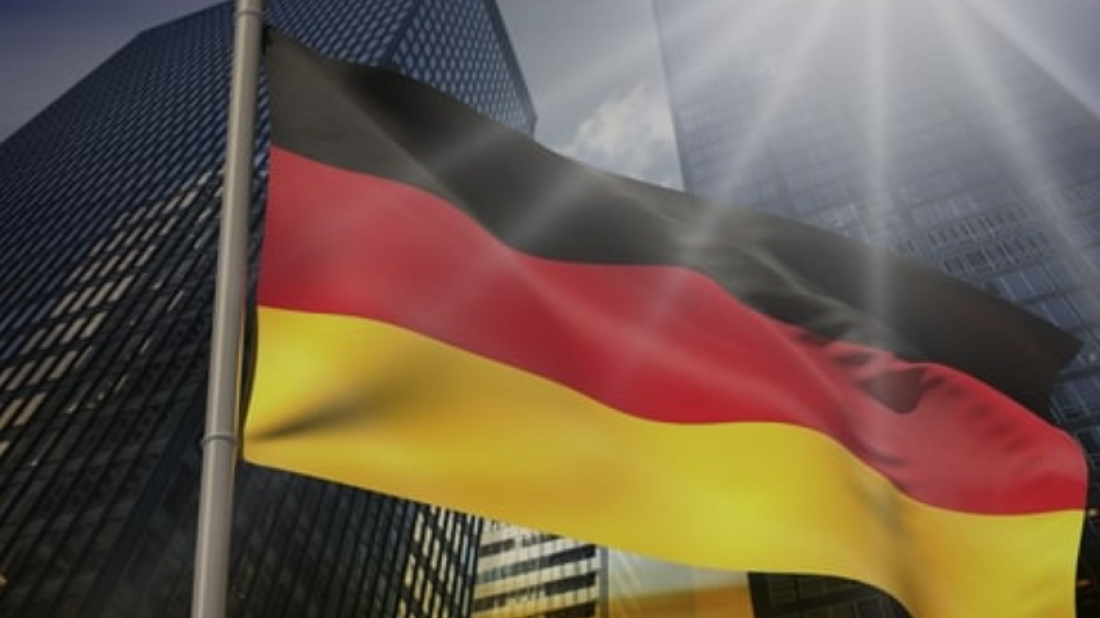
Germany edged out of recession with 0.2 % growth in the first quarter, but the recovery looked shaky as unemployment climbed to its highest level since the pandemic and looming U.S. tariffs threatened to stall momentum.
Germany’s economy eked out 0.2 % growth in the first quarter, breaking a run of two straight contractions, but fresh labour-market data and looming U.S. tariffs highlight the fragility of the upturn.
Preliminary figures from the statistics office on Wednesday showed GDP rising exactly as forecast, buoyed by consumer spending and stronger investment after a 0.2 % slide at the end of 2024. “Any positive number is welcome, but the increase is far too small to end Germany’s long stagnation,” said ING economist Carsten Brzeski.
Headline inflation eased to 2.2 % in April, near expectations and adding weight to calls for further European Central Bank rate cuts after June’s trim to 2.25 %. Core inflation, however, quickened to 2.9 % from 2.6 %, underscoring sticky domestic price pressures.
Despite the GDP uptick, the number of jobless Germans rose again in April and the unemployment rate hit its highest level since the pandemic. Deutsche Bank economist Marc Schattenberg blamed tariff uncertainty for sapping hiring, especially in export-focused manufacturing.
Economists fear the rebound could fizzle as higher U.S. duties on EU goods dampen orders later this year. The Ifo Institute warns output may shrink again by summer; JP Morgan says continued weakness could mark a third consecutive year of contraction—unprecedented for a G7 economy.
Retail sales, which had looked brighter earlier in the quarter, slipped 0.2 % in March, while import prices climbed, hinting at renewed inflation pressures. Corporate sentiment is also under strain: Mercedes-Benz withdrew its earnings outlook and Volkswagen flagged profits at the lower end of its guidance.
A centre-right coalition due to take office next week faces an urgent task: reviving Europe’s largest economy by restoring business confidence and unlocking consumer spending.

Israel is preparing for the possibility of receiving a green light from the United States to launch strikes against Iran’s ballistic missile system, according to Israel’s public broadcaster KAN.
Aghdam’s Qarabag FK experienced a 6–1 defeat to England’s Newcastle United in the first leg of their UEFA Champions League play-off tie in Azerbaijan's capital Baku Wednesday evening (18 February).
U.S. President Donald Trump’s 'Board of Peace' will hold its first leaders’ meeting on Thursday (19 February) in Washington, D.C., launching an initiative aimed at stabilising Gaza and addressing global conflicts. It's drawn support from regional powers but refusals from several EU countries.
The Board of Peace will be "looking over the United Nations," said U.S. President Donald Trump at the inaugural Washington meeting, where representatives from over 20 countries gathered to unveil plans for Gaza’s reconstruction and coordinate international support.
Russian President Vladimir Putin met Cuban Foreign Minister Bruno Rodriguez in the Kremlin on Wednesday, telling him that new restrictions imposed on the communist-run island were unacceptable.
Russian Foreign Minister Sergey Lavrov reaffirmed Russia’s support on Friday (20 February) for the negotiation process between Washington and Tehran amid escalating regional tensions.
Relations between Russia and Japan have effectively collapsed due to Tokyo’s “unfriendly” stance towards Moscow, the Kremlin said on Friday (20 February), adding that there is currently no dialogue aimed at concluding a peace treaty.
A UN investigation says the Rapid Support Forces assault on al-Fashir, in western Sudan, showed signs of genocide, citing mass killings, coordinated attacks and exterminatory language targeting non-Arab groups.
Hungary will release 250,000 tonnes of crude oil from its strategic reserves following a halt in flows on the Druzhba pipeline. The decision was announced in a government decree published late on Thursday.
Indonesia and the United States have finalised a trade agreement lowering U.S. tariffs on Indonesian goods to 19% from 32%, with exemptions secured for palm oil and several other major exports.
You can download the AnewZ application from Play Store and the App Store.
What is your opinion on this topic?
Leave the first comment