President Vladimir Putin’s announcement of a temporary Easter ceasefire in Ukraine has drawn strong criticism from Kyiv, as Ukrainian leaders question the sincerity behind Moscow’s gesture amid continued hostilities and deep mistrust.
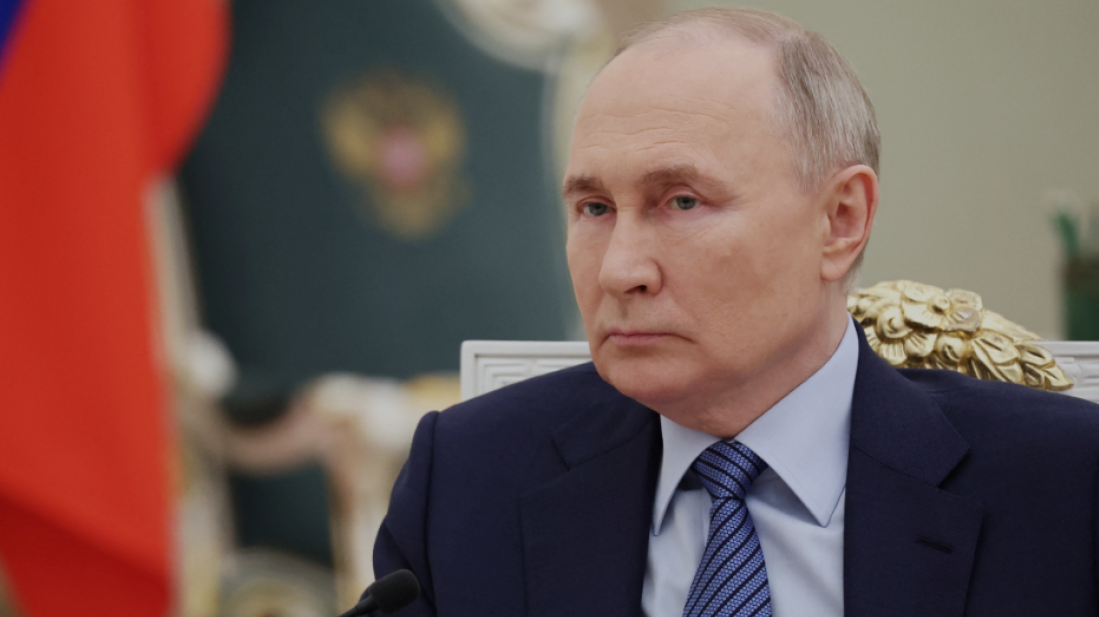
Russian President Vladimir Putin declared a temporary ceasefire in Ukraine over the Easter weekend, citing humanitarian concerns, as both countries carried out the largest prisoner exchange since the beginning of Russia’s full-scale invasion more than three years ago.
According to the Kremlin, the truce began at 6 p.m. Moscow time (1500 GMT) on Saturday and will extend until midnight (2100 GMT) on Easter Sunday. “We expect the Ukrainian side to mirror our actions,” Putin stated during a meeting with Chief of the General Staff Valery Gerasimov, as seen in a video released by the Kremlin’s press service. He added that Russian forces should remain vigilant and prepared to respond to any provocations or breaches of the ceasefire.
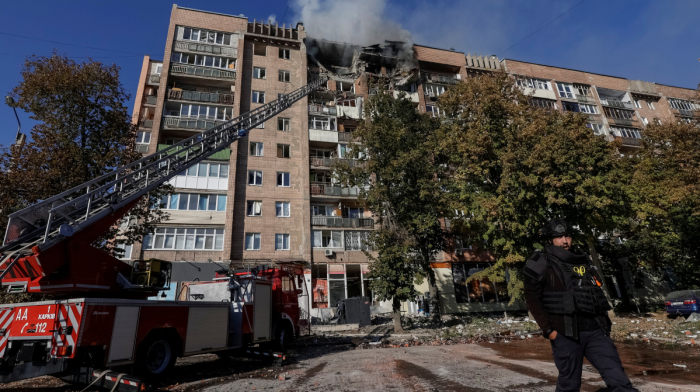
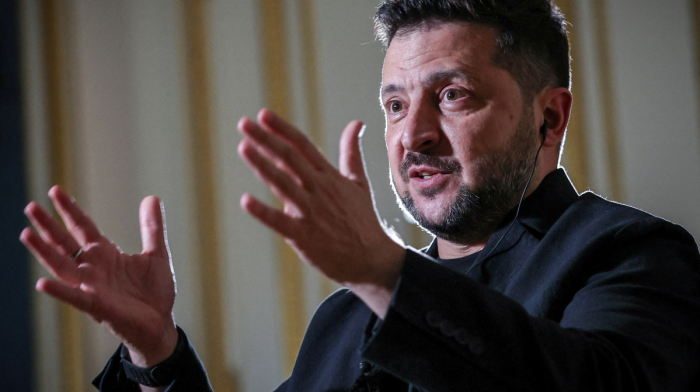
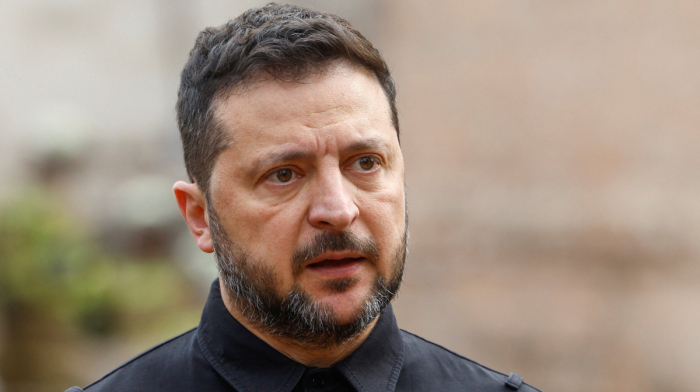
However, Ukrainian President Volodymyr Zelenskyy dismissed the announcement as another manipulative move by the Kremlin. In a post on X, he condemned the timing of the drone attacks that coincided with the supposed truce. “Air raid alerts are sounding across Ukraine. Shahed drones in our skies reveal Putin’s true attitude toward Easter and human life,” Zelenskyy wrote.
Ukrainian Foreign Minister Andrii Sybiha echoed the president’s skepticism, referencing Kyiv’s earlier acceptance of a U.S.-proposed 30-day ceasefire in March—a proposal Moscow refused. “Putin now speaks of a 30-hour ceasefire instead of 30 days,” Sybiha wrote on X. “Unfortunately, his words rarely align with his actions.”
Despite doubts surrounding the truce, the day saw a major development on the humanitarian front, as Ukraine and Russia completed a significant exchange of prisoners of war. Russia’s Ministry of Defense confirmed the return of 246 Russian service members, and noted that, as a “gesture of goodwill,” it had transferred 31 wounded Ukrainian prisoners in exchange for 15 injured Russian soldiers requiring urgent medical care. President Zelenskyy announced that 277 Ukrainian "warriors" had been returned home.
Both nations expressed gratitude to the United Arab Emirates for its role in mediating the exchange.
Putin’s ceasefire declaration came just a day after U.S. President Donald Trump indicated that peace negotiations between Ukraine and Russia were reaching a critical juncture. Trump insisted that neither party was “playing” him in his diplomatic efforts to bring the war to an end. Meanwhile, U.S. Secretary of State Marco Rubio issued a warning that Washington may soon withdraw from the negotiations if meaningful progress is not made in the coming days.
This is not the first time Putin has declared a unilateral holiday truce. In January 2023, he ordered a 36-hour ceasefire for Orthodox Christmas—an initiative that Zelenskyy also dismissed at the time as a tactical move to regroup and prepare for further attacks.











What is your opinion on this topic?
Leave the first comment