China's emissions data shows bigger drop than previously reported
China’s carbon emissions grew far less than previously thought over the past five years, according to a new analysis that is drawing close attention...
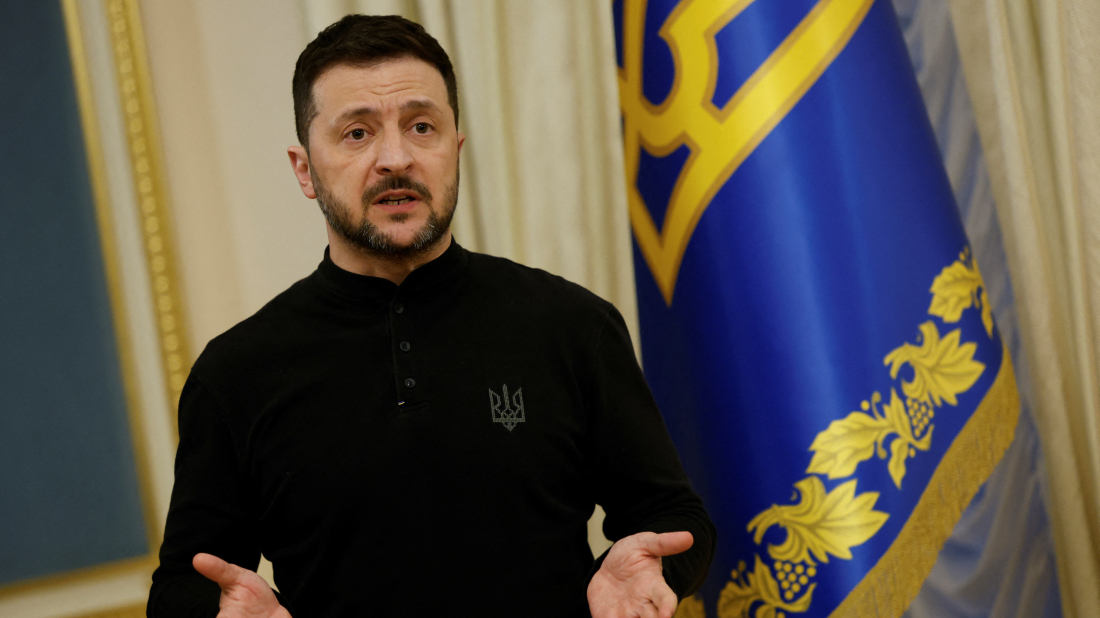
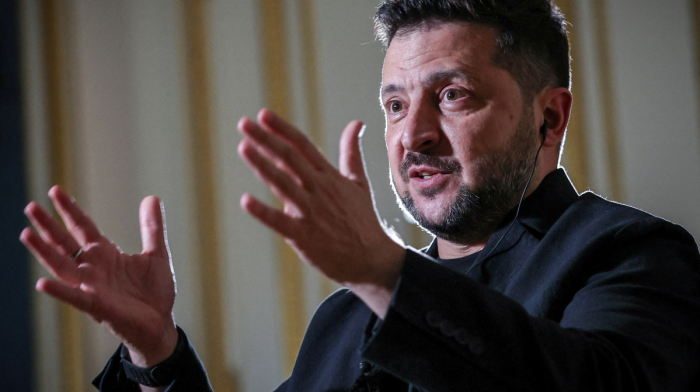
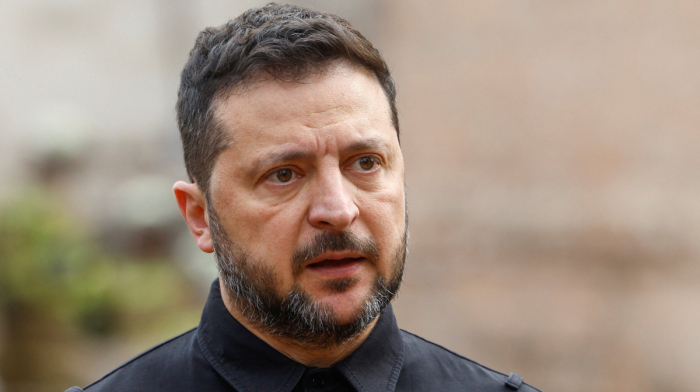
Ukrainian President Volodymyr Zelenskyy said on Thursday that Russia has reduced strikes on energy facilities but redirected attacks toward civilian infrastructure, undermining a U.S.-brokered ceasefire agreement.
Speaking at a press conference in Kyiv, Zelenskyy acknowledged that Moscow had lowered its targeting of Ukraine’s energy grid. But he warned the overall volume of Russian missile and drone attacks had not fallen.
“They reduced their strikes on energy. That's a fact,” Zelenskyy said. “But… Russia did not reduce the number of strikes. That was the strategy. By reducing strikes on energy, they are hitting other civilian infrastructure.”
The 30-day moratorium on attacks against energy sites, brokered by the United States last month, aimed to ease the humanitarian burden ahead of winter. Yet both Kyiv and Moscow have accused each other of repeated violations.
Russia’s U.N. Ambassador Vassily Nebenzia said Ukrainian forces launched around 120 attacks on Russian fuel and energy sites since the ceasefire began. “Ukrainian forces have largely disregarded it,” he told reporters after a closed-door Security Council meeting.
Ukraine denies the accusation and says it is Russia that continues to escalate. At the same U.N. meeting, several Western and European nations reiterated calls for a broader ceasefire.
“Ukraine wants peace, and has demonstrated this by agreeing to a full, immediate and unconditional ceasefire five weeks ago,” Slovenia’s U.N. Ambassador Samuel Zbogar said in a joint statement on behalf of Slovenia, Denmark, France, Greece and Britain. “At the consultations today, Russia again rejected the comprehensive ceasefire and refused to make its first step towards peace.”
Russia launched its full-scale invasion of Ukraine in February 2022 and currently occupies nearly 20% of Ukrainian territory.

Start your day informed with the AnewZ Morning Brief. Here are the top stories for 26 May, covering the latest developments you need to know.
Dozens of people were killed in Israeli strikes on Lebanon on Tuesday, Lebanese officials said, straining a fragile ceasefire agreed between the countries in April. The attacks came as Iran accused the U.S. of violating a separate ceasefire with strikes near the Strait of Hormuz.
Chinese investigators have uncovered hidden tunnels, missing worker trackers and fake underground walls during an initial investigation into the country’s deadliest mining disaster in more than 15 years.
The new AnewZ documentary, TARGET: Yerevan, builds its explosive case on exclusive, secret recordings originally published by Minval Politika.
The visit by U.S. Secretary of State Marco Rubio to Armenia marks one of the clearest signs yet of Washington’s growing interest in the South Caucasus.
China’s carbon emissions grew far less than previously thought over the past five years, according to a new analysis that is drawing close attention from climate researchers worldwide.
Bolivia’s President Rodrigo Paz has taken steps towards potentially declaring a state of emergency as anti-government protests intensify in the early months of his administration.
Norway is set to come under France’s nuclear umbrella, marking a significant shift in European security arrangements as concerns grow over the United States’ long-term commitment to the region.
Britain has announced fresh sanctions targeting cryptocurrency exchanges, financial networks and banks accused of helping Russia evade Western restrictions imposed after the invasion of Ukraine.
Muslims around the world have marked Eid al-Adha with prayers, celebrations and acts of charity, though for many Palestinians the holiday unfolded amid conflict, restrictions and loss.
You can download the AnewZ application from Play Store and the App Store.
What is your opinion on this topic?
Leave the first comment