Afghanistan among worst-hit countries for unexploded ordnance, UN warns
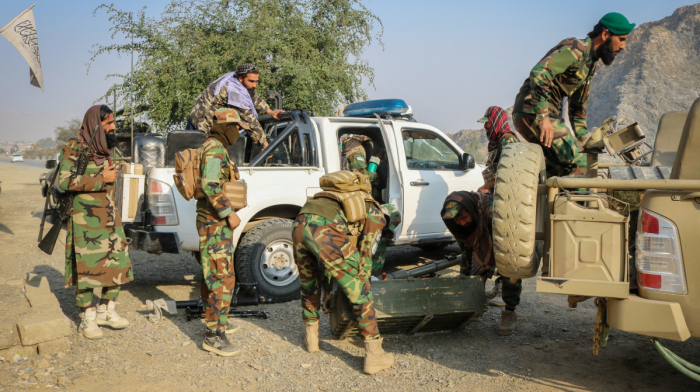
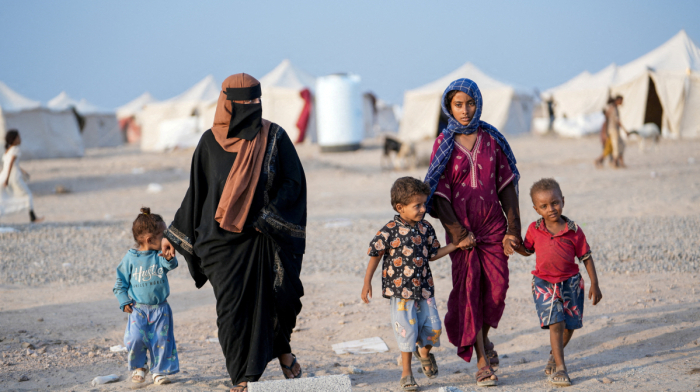
Afghanistan remains the third most affected country globally for unexploded ordnance casualties, with more than 50 people killed or injured each mo...
For the first time in years, the United States and Russia say they are making headway toward restoring the basic functions of their embassies.
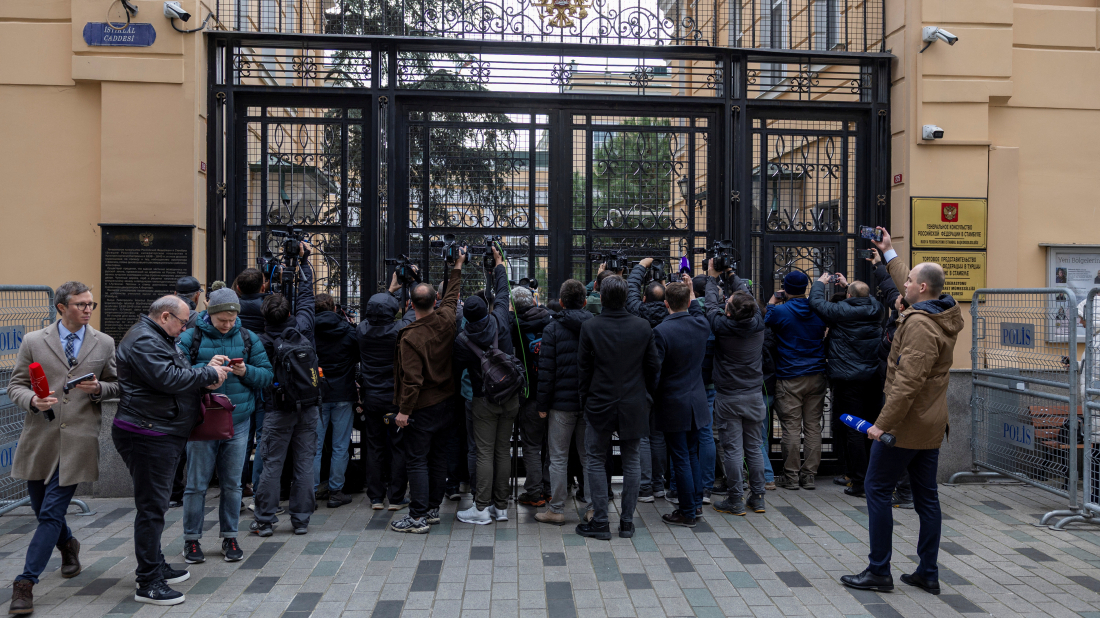
Diplomatic teams from both sides met on Thursday at Russia’s consulate in Istanbul, continuing talks that began in February, far from the frontlines of Ukraine but still overshadowed by war. The U.S. State Department described the discussion as “constructive” and said both delegations agreed to continue.
At the top of the American list was a longstanding grievance — Russia’s prohibition on employing local staff at the U.S. embassy in Moscow. Washington says that rule is making it nearly impossible to keep its diplomatic presence operational. Moscow, for its part, is demanding the return of access to several diplomatic properties that have been seized or restricted in the U.S.
Deputy Assistant Secretary of State Sonata Coulter led the U.S. side, while Russia’s new ambassador to Washington, Alexander Darchiev, led the Russian delegation. The two sides sat down for six hours, but stayed far from the thornier issues like Ukraine.
Still, both described the outcome positively. Darchiev said the talks allowed movement toward the goal set by Presidents Donald Trump and Vladimir Putin — to get embassies back to working order.
“The focus now is on sorting through the proposals quickly,” Russia’s Foreign Ministry posted on Telegram, signalling the next round is already in planning.
Beyond staffing and property, the delegations also addressed a key practical concern — banking. The U.S. said both sides exchanged notes on stabilising financial operations for diplomatic missions, an issue made complicated by sanctions and restrictions on cross-border payments.
Discussions also touched on the resumption of direct U.S.–Russia flights, a small step that would carry weight, particularly for business ties and family visits that have grown more difficult since the war began.
Years of mistrust, surveillance complaints and travel restrictions have left the embassies in both countries barely functional. American diplomats report movement limits inside Russia, while Moscow says Western sanctions have made basic financial operations nearly impossible.
Both sides now appear to agree on one thing — diplomacy cannot function if embassies do not.

The Iran-U.S.-Israel conflict is intensifying, with fresh strikes near Tehran, European calls for restraint, and Iran threatening to target U.S. firms in the region, raising fears of a broader escalation across the Middle East.
There are fears of an oil spill after a drone strike hit a Kuwaiti oil tanker near Dubai on Tuesday, while U.S.-Israeli strikes in Iran reportedly killed at least two people. A loud explosion was heard in Beirut in southern Lebanon early Wednesday, as oil prices climbed above $100 a barrel.
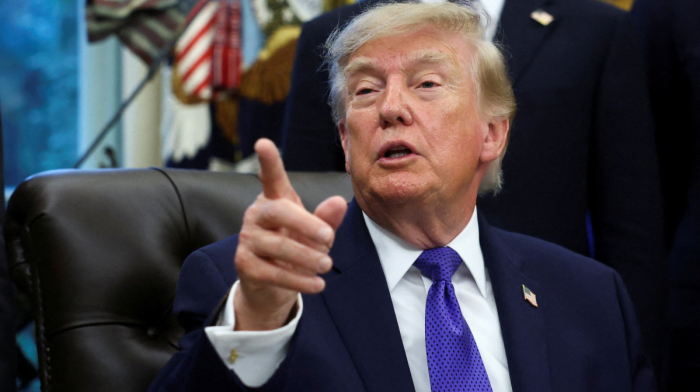
Fears of wider escalation grow despite President Donald Trump saying U.S. strikes on Iran could end within weeks. Meanwhile missile attacks, tanker incidents and rising casualties across Israel, Lebanon and the Gulf heighten risks to regional stability and energy routes.
Russian-flagged tanker carrying approximately 700,000 barrels of crude oil docked at Cuba's Matanzas oil terminal on Tuesday, shipping data confirmed, marking a vital and controversial delivery to an island paralysed by severe energy shortages and a suffocating U.S. blockade.
A Russian military An-26 aircraft has crashed in Crimea, killing all 30 people on board, Russia’s Defence Ministry has confirmed.
In a major policy reversal, the U.S. Treasury has removed Venezuela’s acting president, Delcy Rodríguez, from its sanctions list, signalling a sharp shift in Washington’s approach to Caracas.
A technical team from the United States Federal Bureau of Investigation (FBI) has touched down in Cuba this week to launch an "independent investigation" into a deadly maritime shootout that happened on 25 February.
“He is not… the owner!” U.S. District Judge Richard J. Leon wrote, temporarily halting construction of President Donald Trump’s $400 million White House ballroom, underscoring a cascade of legal, regulatory and public opposition that has engulfed the controversial expansion.
Start your day informed with the AnewZ Morning Brief. Here are the top stories for 2 April, covering the latest developments you need to know
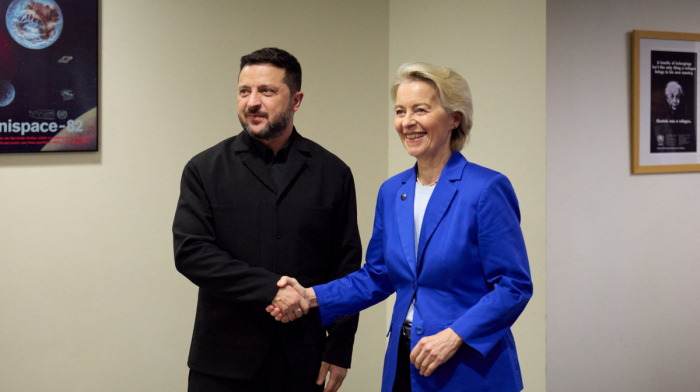
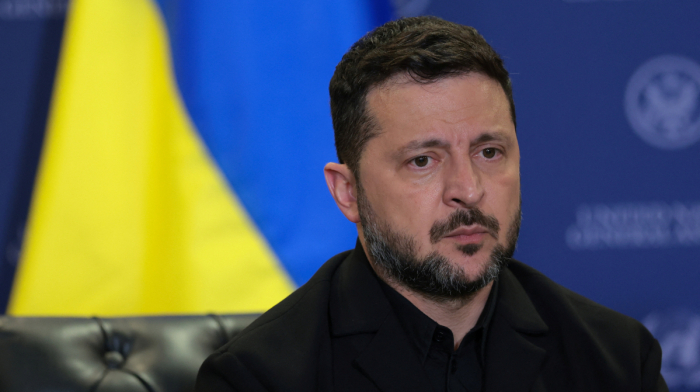
President Volodymyr Zelenskyy criticised Russia for answering his offer of an Easter ceasefire with airstrikes on Wednesday but he praised as "positive" fresh talks with U.S. mediators aimed at resolving the four-year conflict.
You can download the AnewZ application from Play Store and the App Store.
What is your opinion on this topic?
Leave the first comment