International aid to Afghanistan should be reassessed, says the U.S.
U.S. Ambassador to the United Nations, Mike Waltz, has addressed the U.N. Security Council, saying the world must consider how effective ...
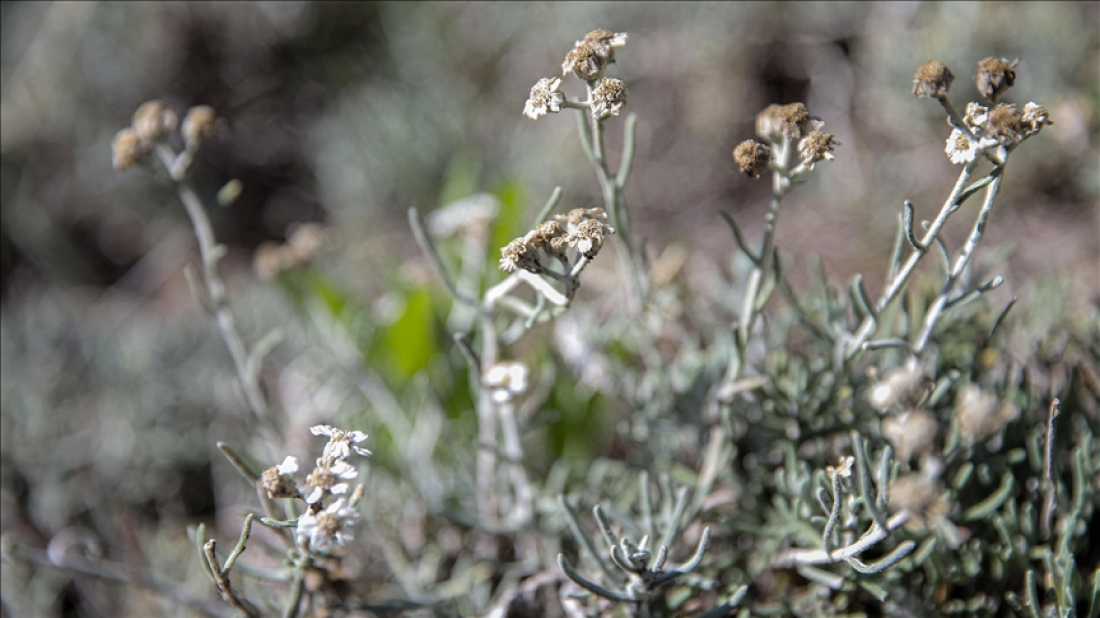
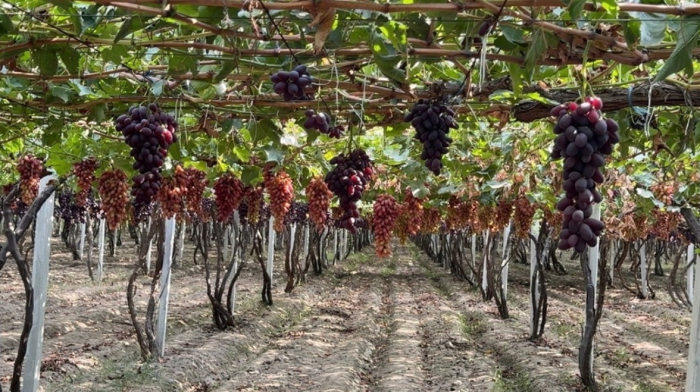
Chinese scientists have unveiled PlantGPT, the first large language model-based artificial intelligence designed specifically for plant functional genomics.
According to Xinhua News Agency, this groundbreaking technology can precisely answer any plant-related question and provide specialised analyses.
Developed jointly by the Chinese Academy of Sciences, South China Agricultural University, and Tsinghua University, PlantGPT aims to be an invaluable tool for researchers. A study published in the journal Advanced Science highlights that the system supports early-career researchers while also assisting experienced scientists in making strategic decisions.
Against the backdrop of increasing demands for food security and improved crop quality, PlantGPT is expected to play a crucial role in enhancing agricultural productivity, nutritional value, pest resistance, and environmental resilience.
With its open-source architecture and regular updates, this AI assistant not only boosts research efficiency but also facilitates knowledge sharing. Currently freely accessible online, PlantGPT is set to expand into synthetic biology and cover a wider range of plant species in the near future, marking a new era in the application of artificial intelligence in plant science.

Mojtaba Khamenei, son of the late Ayatollah Ali Khamenei, is a hardline cleric with strong backing from the Islamic Revolutionary Guard Corps. His rise signals continuity in Tehran's anti-Western policies.
Global oil prices surpassed $119 a barrel on Monday (9 March, 2026), an almost four year high, as the Middle East conflict rumbled on.
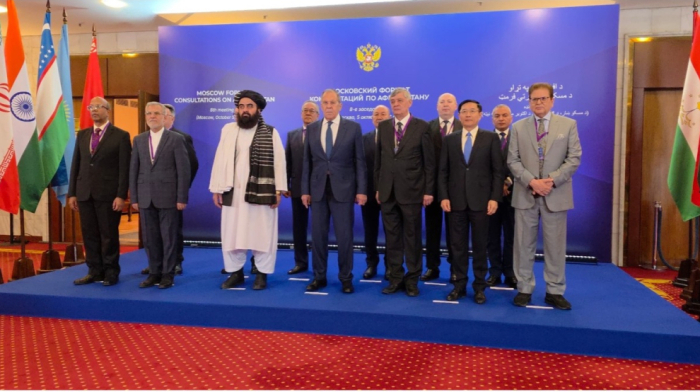
China has urged Afghanistan and Pakistan to resolve their dispute through dialogue after Chinese envoy Yue Xiaoyong met Afghan Foreign Minister Amir Khan Muttaqi, as fighting between the two neighbours entered its eleventh day.
Welcome to our live coverage as the conflict involving Iran enters its 11th day. Tensions in the region remain high as the United States and Iran exchange increasingly sharp warnings over the strategic Strait of Hormuz, a critical artery for global oil supplies.
Iran named Mojtaba Khamenei to succeed his father Ali Khamenei as supreme leader on Monday (9 March), signaling that hardliners remain firmly in charge, as the week-old U.S.-Israeli war with Iran pushed oil above $100 a barrel.
U.S. Ambassador to the United Nations, Mike Waltz, has addressed the U.N. Security Council, saying the world must consider how effective its engagement with the Taliban-run country is as millions face hunger.
British MPs have rejected a proposal to introduce an Australia-style ban on social media for under-16s, opting instead to give ministers flexible powers to impose restrictions on platforms.
Australia has granted humanitarian visas to five Iranian women footballers who sought asylum, fearing persecution after refusing to sing their national anthem at an Asia Cup match.
Start your day informed with AnewZ Morning Brief. Here are the top news stories for the 10th of March, covering the latest developments you need to know.
U.S. President Donald Trump called his recent phone conversation with Russian President Vladimir Putin “very good.” The two leaders spoke on Monday about the situation in Iran and other international issues.
You can download the AnewZ application from Play Store and the App Store.
What is your opinion on this topic?
Leave the first comment