Man drives car into crowd in German city of Leipzig killing 77-year-old man and 63-year-old woman
A 77-year-old man and a 63-year-old woman were killed on Monday (4 May), after a man drove a car into a crowd on...
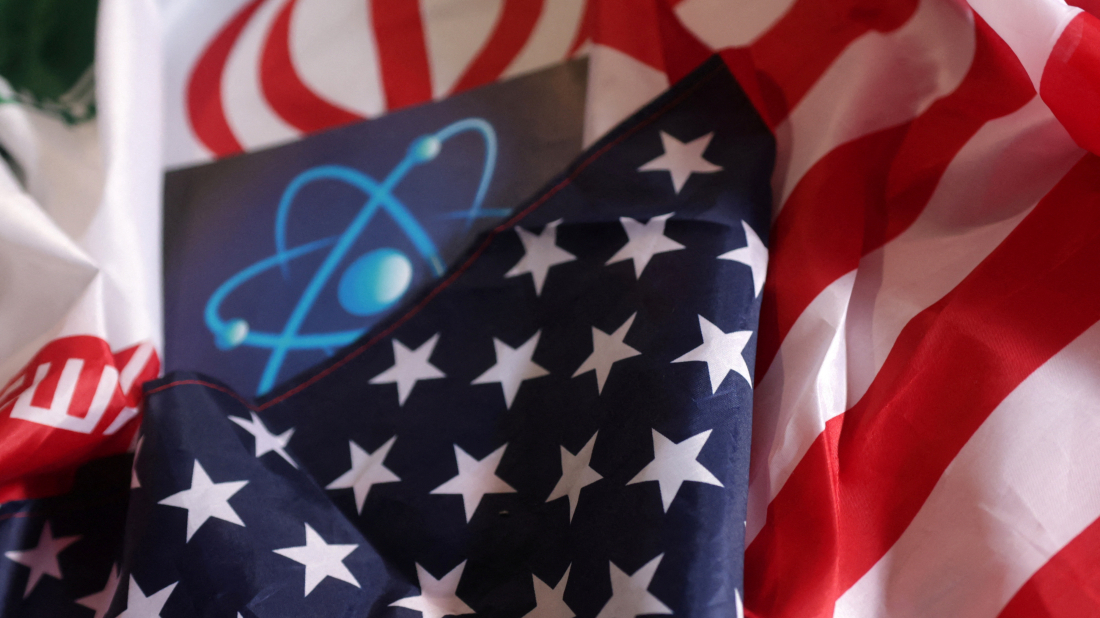
The ships don’t sail under Iranian flags, but they carry its oil. And now, the United States is going after them.
On Thursday, the U.S. Treasury Department unveiled new sanctions aimed at what it called Iran’s “shadow fleet” — a web of vessels operating in disguise, helping Tehran move oil in defiance of global restrictions. At the center of it is Jugwinder Singh Brar, a UAE-based Indian national who controls nearly 30 ships through companies registered in the United Arab Emirates and India.
According to the Treasury, these ships have been conducting high-risk transfers at sea, shifting Iranian petroleum in the waters off Iraq, Iran, the UAE, and the Gulf of Oman. The department says Brar’s fleet has directly supported Iran’s national oil company and its military.
“The Iranian regime relies on its network of unscrupulous shippers and brokers like Brar and his companies,” said Treasury Secretary Scott Bessent, “to enable its oil sales and finance its destabilizing activities.”
The four newly sanctioned companies are accused of owning and operating the vessels, with U.S. officials warning that these kinds of operations allow Iran to quietly sidestep sanctions and sustain its revenue streams.
This move comes as part of a broader American effort to apply pressure on Iran’s oil exports, especially as diplomacy over its nuclear programme shows little sign of progress.
Washington insists the pressure will continue, especially on actors who profit from the trade.
“The United States remains focused on disrupting all elements of Iran’s oil exports,” Bessent said, “particularly those who seek to profit from this trade.”

A 77-year-old man and a 63-year-old woman were killed on Monday (4 May), after a man drove a car into a crowd on a pedestrianised street in the the eastern German city of Leipzig, authorities said.
Iran warned Armerican forces on Monday (4 May) not to enter the Strait of Hormuz, after the U.S. said it had launched a mission to try and reopen the sea passage. Meanwhile, Iran's Foreign Minister said there was no military solution to the Middle East conflict.
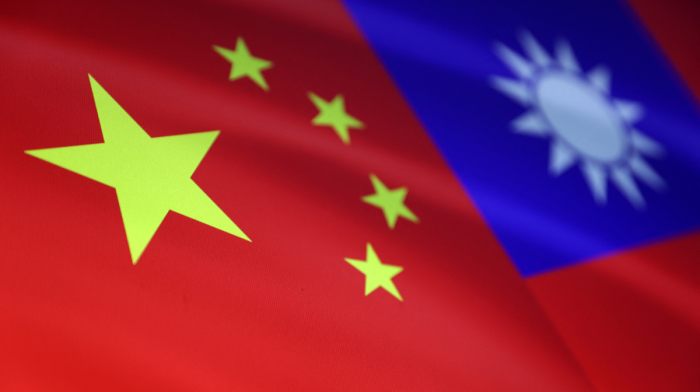
China has moved to block U.S. sanctions on five of its oil refineries, in a fresh escalation of tensions over trade and energy policy.
U.S. President Donald Trump has said he will “soon be reviewing” a new 14-point proposal sent by Iran, casting doubt on the chances of a deal after Tehran called for security guarantees, an end to naval blockades and a halt to the war across the region, including in Lebanon.
Ukraine has launched a new wave of drone strikes on Sunday (3 May) across Russia, hitting key infrastructure and causing casualties in several regions, officials on both sides said.
A 77-year-old man and a 63-year-old woman were killed on Monday (4 May), after a man drove a car into a crowd on a pedestrianised street in the the eastern German city of Leipzig, authorities said.
Austria has expelled three diplomats from the Russian Embassy over concerns that satellite installations on diplomatic buildings could be used for espionage.
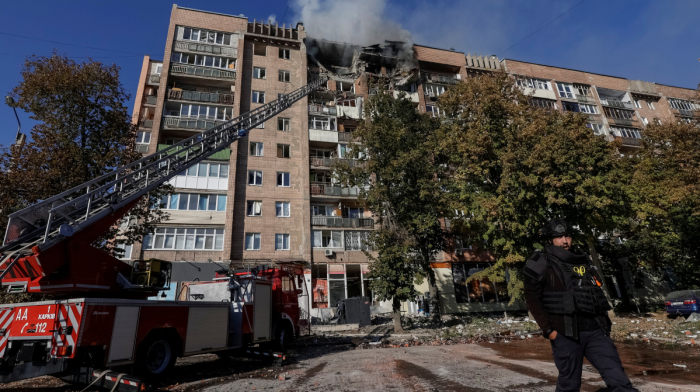
A Russian missile strike killed six people in Ukraine’s Kharkiv region on Monday (4 May), as Kyiv reported fresh attacks on energy infrastructure and a sharp rise in drone strikes on ports.
Australia and Japan agreed on Monday to deepen cooperation on energy and critical minerals, as Japan’s Prime Minister Sanae Takaichi met her Australian counterpart Anthony Albanese during a three-day visit.
Australia began public hearings on Monday in an inquiry into the Bondi Beach mass shooting in December, with Jewish Australians giving evidence about their experiences of rising domestic antisemitism.
You can download the AnewZ application from Play Store and the App Store.
What is your opinion on this topic?
Leave the first comment