live Iran and Israel escalate military action following Iran’s Supreme Leader Ali Khamenei’s death
Follow the latest developments and global reaction after the U.S. and Israel launched “major combat operations” in Iran, prompting reta...
Recep Tayyip Erdogan says Türkiye is well-positioned to withstand US tariffs and emerge stronger economically, thanks to a disciplined economic program and low exposure.
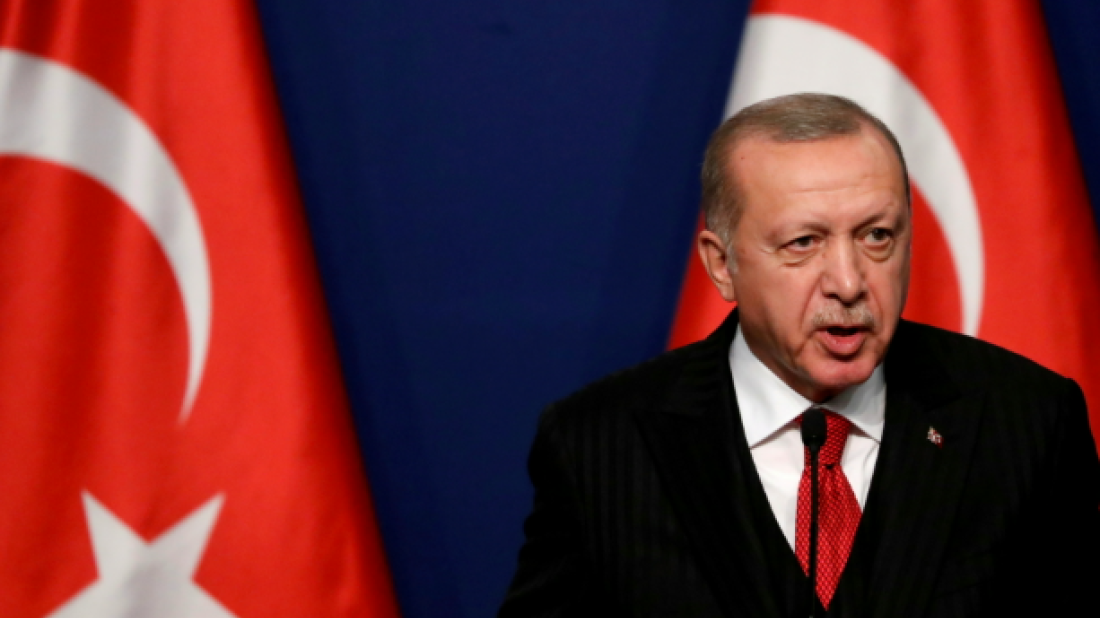
President Recep Tayyip Erdogan stated on Wednesday that Türkiye is not expecting any serious negative effects on its trade, production, or exports following the implementation of US President Donald Trump’s new tariffs.
Speaking to lawmakers from the ruling AK Party, Erdogan highlighted that Türkiye is among the countries that received the lowest reciprocal tariff rate of 10 percent. He added that Türkiye may actually benefit from the global tariff changes, as other countries face much higher rates.
“There is serious uncertainty in the world, but there is a strong economic program that illuminates Türkiye’s path,” Erdogan said. He emphasized that Türkiye's economy is resilient to external shocks and is expected to grow more strongly than many peer countries in the medium to long term.
Erdogan also noted that the country’s disinflation process is continuing, and the government's spending discipline and savings measures will carry on this year.
Although Türkiye’s iron, steel, and aluminum exports were affected by earlier US tariffs, it could now gain an advantage as other global traders deal with stricter levies.

Follow the latest developments and global reaction after the U.S. and Israel launched “major combat operations” in Iran, prompting retaliation from Tehran.
Tensions between the U.S. and Iran are escalating, with Washington ordering a significant military build-up in the region and multiple countries evacuating diplomatic staff amid fears of further instability.
Two people were killed and around 40 injured when a tram derailed in central Milan on Friday (27 February), a spokesperson for the local fire service said.
Governments across the region responded swiftly to Israel’s strikes on Iran, closing airspace, issuing travel advisories and activating contingency plans amid fears of escalation.
Pakistani air strikes hit a weapons depot on the western outskirts of Kabul overnight, triggering hours of secondary explosions that rattled homes across the Afghan capital and left residents fearing further violence.
Protests broke out in Pakistan and Iraq on Sunday after Iranian state media confirmed that Supreme Leader Ayatollah Ali Khamenei had been killed in joint U.S.–Israeli strikes. At least nine people were reported dead in clashes near the U.S. consulate in Karachi.
Afghanistan said it had fired at Pakistani aircraft over Kabul after explosions and gunfire rocked the capital early on Sunday, marking a sharp escalation in fighting between the two neighbours.
A senior Iranian official has warned Israel to “prepare for what is coming”, insisting that Tehran’s response to the latest escalation in the Middle East will be made openly and without limits.
Cuba has released extensive details of a deadly midweek shootout at sea, showing rifles, pistols and nearly 13,000 rounds of ammunition that it says were carried by a group of exiles who attempted to enter the island by speedboat.
Afghanistan’s Taliban rulers said on Friday (27 February) they were ready to negotiate after Pakistan bombed their forces in several Afghan cities, including Kabul and Kandahar, and Islamabad declared the neighbours were now in "open war".
You can download the AnewZ application from Play Store and the App Store.
What is your opinion on this topic?
Leave the first comment