All eyes on Abu Dhabi as Ukraine talks with Russia and U.S. begin
Ukrainian, U.S. and Russian officials are meeting in Abu Dhabi for their first-ever trilateral talks on the nearly four-year-long war in Ukraine....
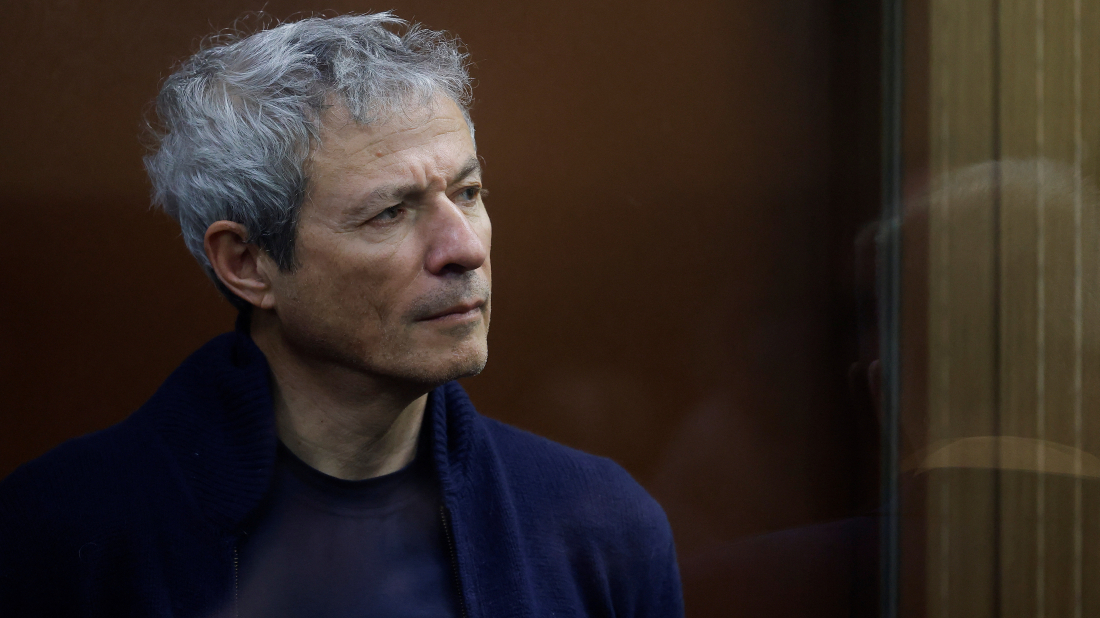
Russian billionaire Vadim Moshkovich, founder of Rusagro, faces charges of embezzling 30 billion roubles ($357 million). His arrest is among the most high-profile in Russia’s business world in recent years.
Prosecutors on Wednesday charged Vadim Moshkovich, the billionaire founder of Russia’s leading agricultural company, Rusagro, with embezzling 30 billion roubles ($357 million), according to state news agency TASS.
Moshkovich, a former member of Russia’s upper legislative chamber who, according to Forbes, has a fortune of $2.7 billion, was arrested last week alongside another senior Rusagro executive.
A Moscow court ordered his pre-trial detention for two months last Thursday. If found guilty, he could face up to 10 years in prison.
TASS reported that the charges stem from a transaction to acquire an 85% stake in the Solnechnie Produkty oil and fats company from its founder, in exchange for an investment that was never made.
Moshkovich has denied any wrongdoing.
His prosecution, after rising from selling computers in post-Soviet Russia to establishing one of the country’s most influential agricultural conglomerates, has sent shockwaves through Russia’s business elite.
It marks the most high-profile arrest of a Russian businessman since Ziyavudin Magomedov, founder of the Summa shipping and logistics group, was detained in 2018, and Vladimir Yevtushenkov, a shareholder in AFK Sistema, was placed under house arrest in 2014.

Qarabağ claimed a late 3–2 victory over Eintracht Frankfurt in the UEFA Champions League on Wednesday night, scoring deep into stoppage time to secure a dramatic home win in Baku.
President Donald Trump said on Thursday that the United States has an "armada" heading toward Iran but hoped he would not have to use it, as he renewed warnings to Tehran against killing protesters or restarting its nuclear programme.
Russian President Vladimir Putin said on Wednesday that Moscow could pay $1 billion from Russian assets frozen abroad to secure permanent membership in President Donald Trump’s proposed ‘Board of Peace’.
A commuter train collided with a construction crane in southeastern Spain on Thursday (22 January), injuring several passengers, days after a high-speed rail disaster in Andalusia killed at least 43 people.
Turkish President Recep Tayyip Erdoğan has told his Iranian counterpart Masoud Pezeshkian that Türkiye opposes any form of foreign intervention in Iran, as protests and economic pressures continue to fuel tensions in the Islamic republic.
In the snowy peaks of Davos, where the world’s most powerful leaders gather for the 56th World Economic Forum, a new narrative is emerging that challenges the current dominance of artificial intelligence (AI).
Start your day informed with AnewZ Morning Brief: here are the top news stories for the 23th of January, covering the latest developments you need to know.
The United States officially left the World Health Organization on 22 January, triggering a financial and operational crisis at the United Nations health agency. The move follows a year of warnings from global health experts that a U.S. exit could undermine public health at home and abroad.
Jared Kushner, U.S. President Donald Trump’s senior adviser, unveiled plans for a “New Gaza” on 23 January in Davos. The initiative to rebuild the war‑torn territory with residential, industrial, and tourism zones accompanies the launch of Trump’s Board of Peace to end the Israel-Hamas war.
TikTok’s Chinese owner, ByteDance, has finalised a deal to create a majority American-owned joint venture that will secure U.S. user data, safeguarding the popular short-video app from a potential U.S. ban. The move comes after years of political and legal battles over national security concerns.
You can download the AnewZ application from Play Store and the App Store.
What is your opinion on this topic?
Leave the first comment