Putin says Russian forces advancing in Ukraine
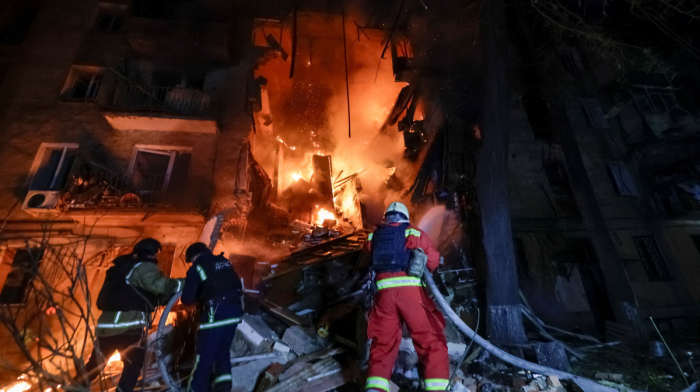
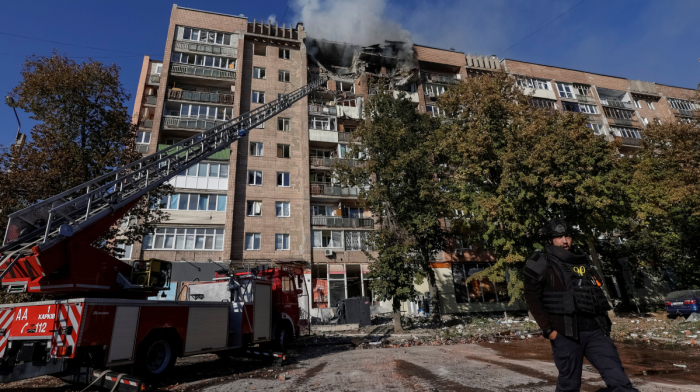
Russian President Vladimir Putin held a meeting on the situation in Ukraine, during which he said Russian forces were making progress on several front...
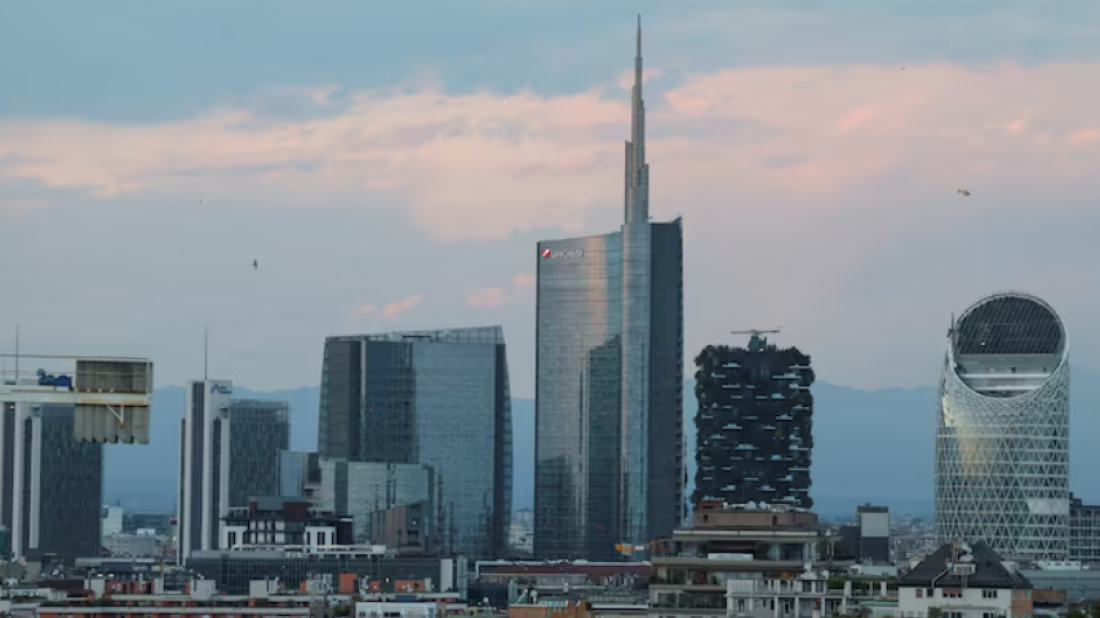
Italy has failed to accelerate its use of EU COVID-19 recovery funds, with government data showing it has spent only about half of the money received so far.
By 2026 Rome is due to have received 194.4 billion euros ($209.87 billion) from the EU's so-called Recovery and Resilience Facility (RRF), but the government is struggling to put the latest windfall to good use due to red tape and administrative delays.
As of December 2024 Rome had spent 63.9 billion euros of the 122 billion of EU funds it had received since Brussels began disbursing the cash in instalments in 2021, EU Affairs Minister Tommaso Foti said in a statement on Thursday.
When including the seventh instalment worth 18.2 billion euros, for which Italy requested payment to EU authorities at the end of last year, the spending rate stood at 45%, unchanged from June last year.
In late 2022, Prime Minister Giorgia Meloni targeted investment of around 108 billion by the end of 2024.
"Around 92% of the entire plan is in the implementation or closure phase," Foti said in a statement.
Opposition parties asked the government for an urgent report to parliament over the implementation of the plan.
However, Meloni's office said Italy was first in Europe for total resources received and number of payment requests formalised.
Rome had hoped to see a major economic boost from the EU cash, but the euro zone's third largest economy has expanded by just 0.7% in each of the last two years, and economists expect a similar rate this year.
Foti said all relevant institutions would make every effort to achieve the objectives needed to unlock the last three instalments worth 54 billion euros.
Italy, which has already revised its recovery plan four times, is also negotiating with Brussels a final overhaul with the aim of replacing or downscaling projects that the government will be unable to complete by the 2026 deadline, with others that could be wrapped up within the allowed timeframe.
Delays affect dozens of projects in areas including the rollout of ultra-fast broadband networks, high-speed train lines and plans to create more affordable childcare.

Brigitte Bardot, the French actress whose barefoot mambo in And God Created Woman propelled her to international fame and reshaped female sexuality on screen, has died at the age of 91, her foundation said on Sunday.
Roman Abramovich, the Russian billionaire and former Chelsea Football Club owner, has assembled a “top tier” legal team, including a former White House advisor, as he prepares for a legal battle in Jersey.
Venezuelan President Nicolás Maduro on Sunday praised the country’s armed forces as “invincible warriors” during a year-end ceremony honouring the Bolivarian National Armed Forces, held in the coastal city of La Guaira.
Iran successfully launched three satellites on Sunday using a Russian Soyuz rocket from Russia’s Far East, marking the latest stage in growing Iran-Russia space cooperation.
Türkiye on Sunday denied reports that a Turkish Airlines passenger flight diverted from Libya due to fears of retaliation following a Libyan military delegation plane crash near Ankara.
Russian President Vladimir Putin held a meeting on the situation in Ukraine, during which he said Russian forces were making progress on several fronts, according to statements released by the Kremlin.
Latvia has completed construction of its border fence with Russia, marking a major step in strengthening national and EU external border security. Authorities say work will now focus on expanding surveillance technology and additional infrastructure along the eastern border.
The head of Yemen’s Presidential Council, Rashad al-Alimi, has ordered all forces linked to the United Arab Emirates to leave Yemen within 24 hours.
Start your day informed with AnewZ Morning Brief: here are the top news stories for the 30th of December, covering the latest developments you need to know.
In 2025, climate talks, security negotiations and trade diplomacy defined a year of high-level summits. Leaders met across continents to confront conflict, debate climate responsibility and shape global priorities. Some eased tensions, others exposed divisions, but all left their mark.
You can download the AnewZ application from Play Store and the App Store.
What is your opinion on this topic?
Leave the first comment