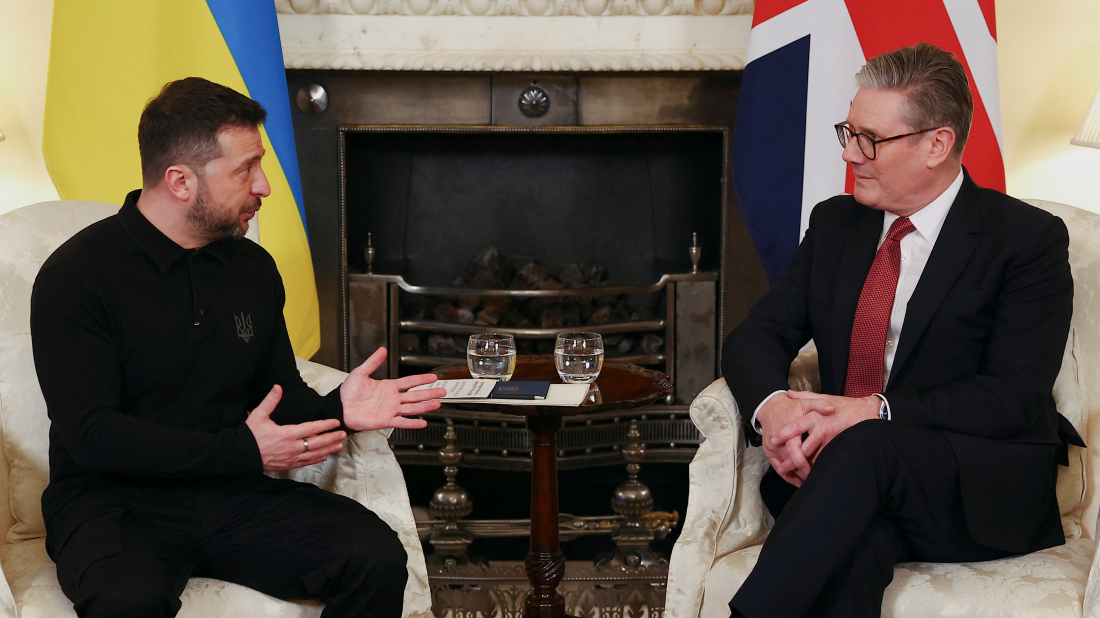
British Prime Minister Keir Starmer spoke with Ukrainian President Volodymyr Zelenskyy on Tuesday to discuss the progress made by U.S. President Donald Trump in ceasefire talks with Russia, with both leaders emphasising the importance of a just and lasting peace in Ukraine.
British Prime Minister Keir Starmer spoke with Ukrainian President Volodymyr Zelenskyy on Tuesday evening, focusing on the progress made by U.S. President Donald Trump towards a ceasefire agreement with Russia, according to Downing Street.
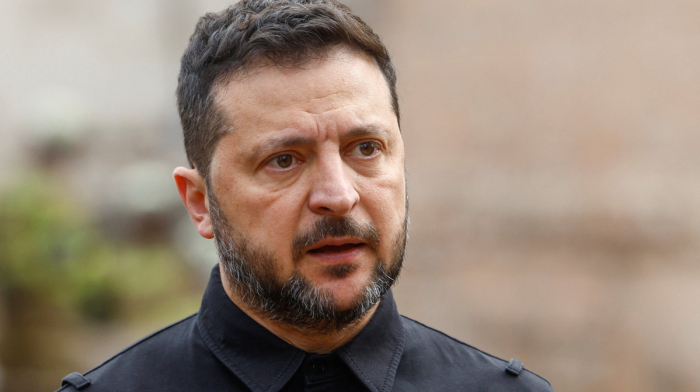
In the conversation, Starmer reiterated Britain’s “unwavering support” for Ukraine and discussed the latest developments regarding the ongoing conflict. Zelenskyy, in turn, provided an update on the situation along the frontline, where the war continues to wreak havoc on both nations.
The talks come shortly after a major development in the ceasefire negotiations, as Russian President Vladimir Putin agreed to temporarily halt attacks on Ukrainian energy facilities. However, he stopped short of endorsing the full 30-day ceasefire that Trump had hoped would serve as the first step toward a permanent peace deal.
Zelenskyy confirmed that Ukraine would support the scaled-back agreement, which would require both Russia and Ukraine to refrain from targeting each other’s energy infrastructure for the next 30 days.
“I think it will be right that we will have a conversation with President Trump and we will know in detail what the Russians offered the Americans or what the Americans offered the Russians,” Zelenskyy told reporters during an online briefing following the call.
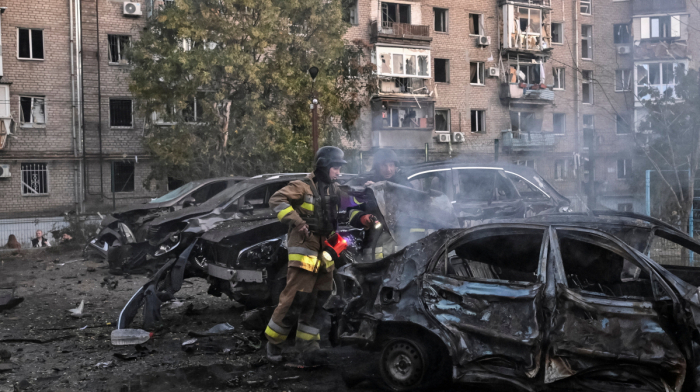
The ceasefire, while a step towards de-escalation, has failed to bring about a full halt to hostilities. Zelenskyy’s office reported ongoing attacks despite the temporary pause on energy strikes, with both sides accusing each other of escalating the conflict further.
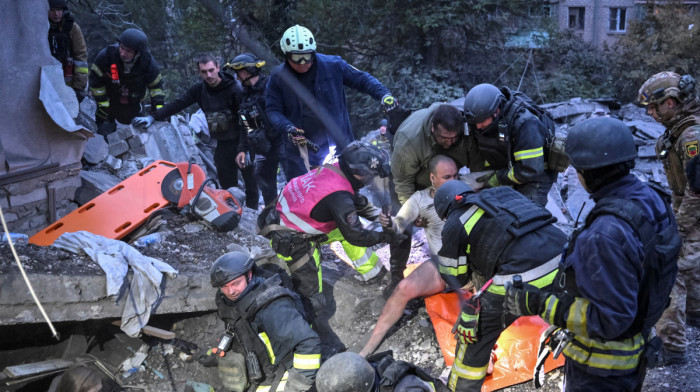
Since the start of Russia’s full-scale invasion of Ukraine in 2022, the war has devastated vast areas of the country, resulting in hundreds of thousands of casualties and the displacement of millions of people. Entire towns have been reduced to rubble, and the humanitarian crisis continues to worsen.
Starmer’s office emphasised Britain’s commitment to achieving a “just and lasting peace” in Ukraine, acknowledging the progress made through the diplomatic efforts led by Trump.
While the U.S. president’s diplomatic efforts have sparked cautious optimism, the path to a comprehensive ceasefire remains fraught with challenges. The ongoing violence and territorial disputes between the two nations make any resolution elusive, though international pressure continues to build for a meaningful and long-term ceasefire agreement.
As discussions progress, attention will remain focused on the next steps in peace talks, with the possibility of further engagement between Ukraine, Russia, and key international stakeholders in the coming days.














What is your opinion on this topic?
Leave the first comment