View: Ukraine funding crisis deepens as war drags on
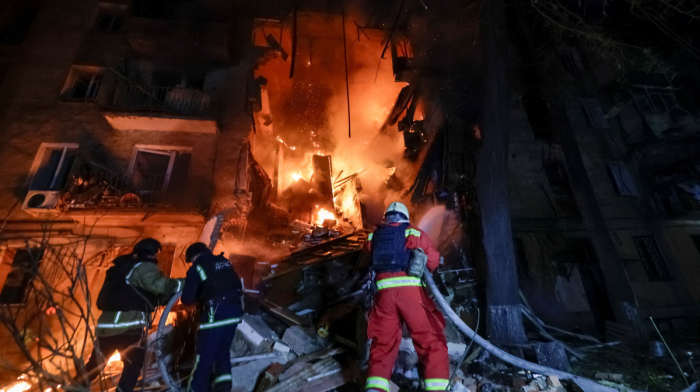
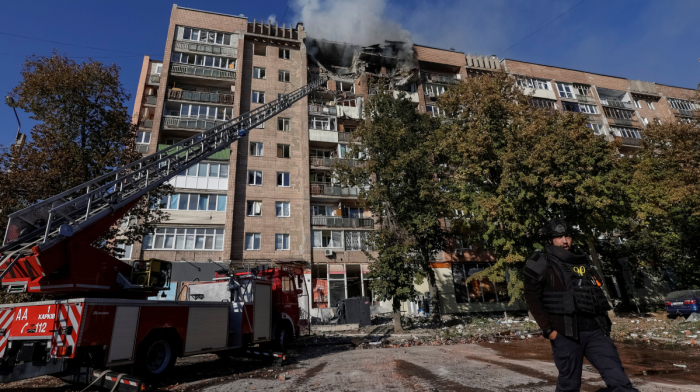
Russia’s latest attacks on Zaporizhia come as European leaders gather in Brussels to discuss the possible use of frozen Russian assets to support Uk...
President Erdogan praised Ukraine's 30-day ceasefire with Russia, hoping for Russia's response. He also reiterated Turkey's offer to host future peace talks with Moscow.
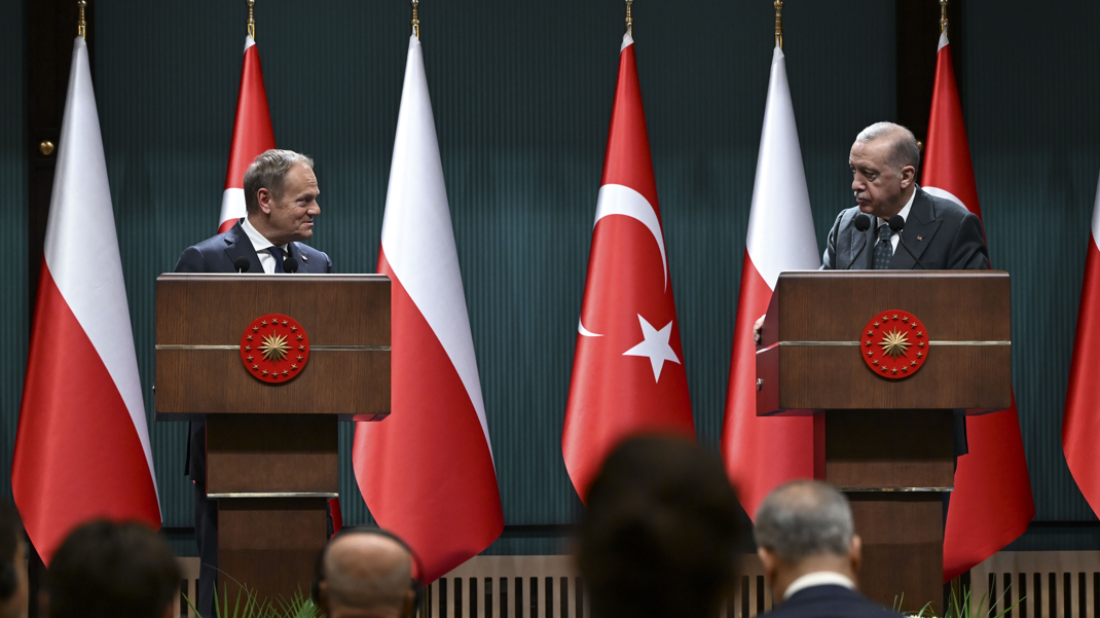
At a press conference in Ankara, Erdogan shared the stage with Polish Prime Minister Donald Tusk, underscoring Turkey's role in facilitating peace efforts in the ongoing Russia-Ukraine conflict. He reaffirmed Turkey's willingness to mediate future talks between Kyiv and Moscow, provided the ceasefire leads to productive dialogue.
The Ukrainian government had signaled its willingness to enter a ceasefire with Russia after diplomatic discussions with the United States, marking a shift toward diplomacy in a war that has now stretched into its third year. While Ukraine's acceptance of the ceasefire has raised hopes of a de-escalation, Russia's response remains uncertain.
Erdogan has long positioned Turkey as a key intermediary in the conflict, maintaining good relations with both Russia and Ukraine. His offer to host peace talks in Turkey, a country that has previously facilitated dialogues between the two sides, could be crucial in bringing both parties back to the negotiating table.
In his comments, Erdogan emphasized Turkey's desire to contribute to global peace efforts, particularly in a region marked by the complex dynamics of the ongoing war. He also expressed confidence that diplomatic efforts could help bring an end to the suffering caused by the war, benefiting both the region and the broader international community.
As the conflict continues to shape European security and global geopolitics, Turkey's role as a potential mediator remains pivotal.

The latest clashes between Thailand and Cambodia mark a dangerous escalation in one of Southeast Asia’s oldest and most sensitive disputes.
In the complex world of international diplomacy, the ongoing tensions between India and Pakistan have raised significant questions about the role of third-party mediation.
Citizens from an additional seven countries, including Syria, are being banned from travelling to the U.S. from the 1st of January next year. President Donald Trump made the annoucement on Tuesday (16 December) now has a total of 39 countries banned from entering the States.
Austria’s public broadcaster ORF, which is hosting the Eurovision Song Contest next year, has said it will not block Palestinian flags in the audience or suppress crowd reactions during Israel’s performance.
Police in Australia have charged a man who allegedly opened fire on a Jewish event on Sydney's Bondi Beach with 59 offences, including 15 counts of murder and one of committing a terrorist act.
Brazilian President Luiz Inácio Lula da Silva has offered to mediate between the U.S. and Venezuela, warning that urgent diplomatic intervention is needed to prevent a “fratricidal war” in Latin America.
Türkiye has enhanced its environmental and cultural conservation efforts, registering 10,503 monumental trees and 319 caves nationwide, the Ministry of Environment, Urbanisation and Climate Change confirmed.
Former Iraqi President Barham Ahmed Salih has been elected by the UN General Assembly as the next High Commissioner for Refugees, beginning a five-year term on 1 January 2026.
Ukrainian President Volodymyr Zelenskyy arrived in Poland on Thursday following a summit of the European Council in Brussels.
Russian Foreign Minister Sergey Lavrov arrived in Cairo on Thursday ahead of a two-day ministerial conference of the Russia-Africa Partnership Forum.
You can download the AnewZ application from Play Store and the App Store.
What is your opinion on this topic?
Leave the first comment