Iran rejects UN nuclear watchdog referral to Security Council
Iran has rejected as “irrelevant” a UN nuclear watchdog resolution referring its nuclear file to the UN Security Council, arguing that ...
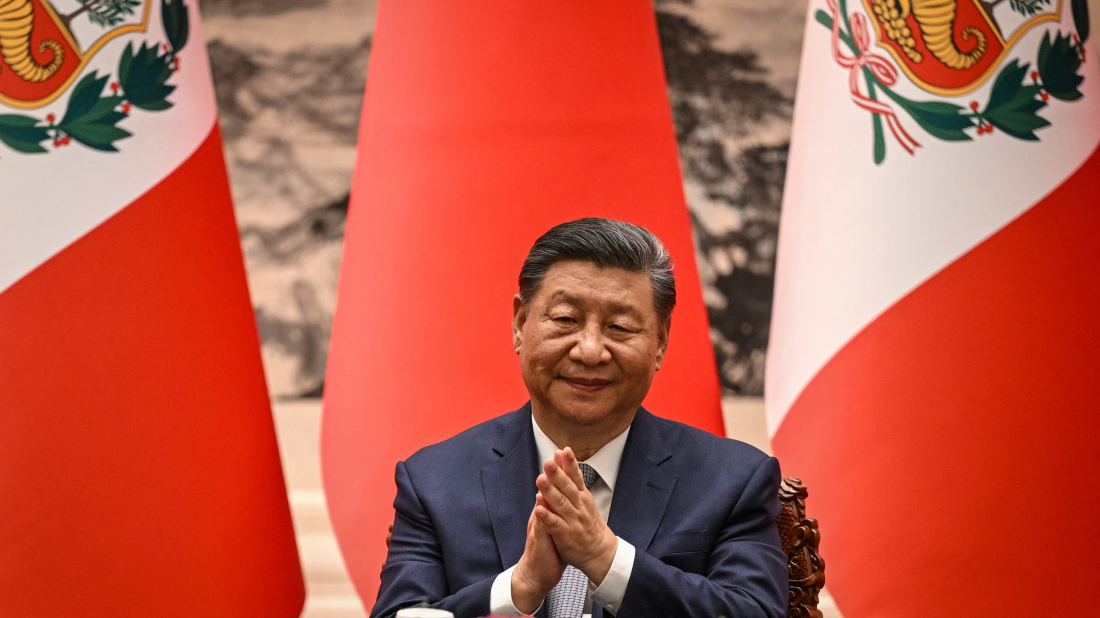
Chinese President Xi Jinping and Japanese Prime Minister Shigeru Ishiba met at the APEC Summit in Peru, with China urging Japan to address issues such as Taiwan. Ishiba sought for better safeguards for Japanese nationals and the lifting of China’s seafood import ban.
Chinese President Xi Jinping told Japanese Prime Minister Shigeru Ishiba during their first meeting that China hoped Japan would “properly handle” sensitive issues such as history and Taiwan, Chinese state media reported Saturday.
Meeting on the sidelines of the APEC Summit in Lima, Peru, Xi also urged the two countries to safeguard the global free trade system and ensure stable, unimpeded production and supply chains.
Ishiba expressed a desire for a “constructive and stable” relationship but raised concerns about China’s seafood import ban, recent fatal stabbings affecting Japanese nationals in China, and Beijing’s maritime activities. According to Japan’s account of the meeting, he also urged Xi to release detained Japanese nationals.
This marked the first meeting between Ishiba, who assumed office in October, and the long-serving Chinese leader.
Chinese and Japanese officials have recently resumed consultative talks after years of strained ties over territorial disputes, trade tensions, and Japan’s decision to release treated water from the Fukushima nuclear plant, which prompted China’s seafood import ban.
Tensions have also been heightened by recent anti-Japanese sentiment in China following two stabbing incidents, including the killing of a Japanese schoolboy in September and a June attack where a Chinese woman protecting a Japanese mother and child was killed.
The meeting follows Friday’s trilateral talks between the U.S., Japan, and South Korea, aimed at solidifying alliances ahead of Donald Trump’s U.S. presidency, which could disrupt established partnerships.

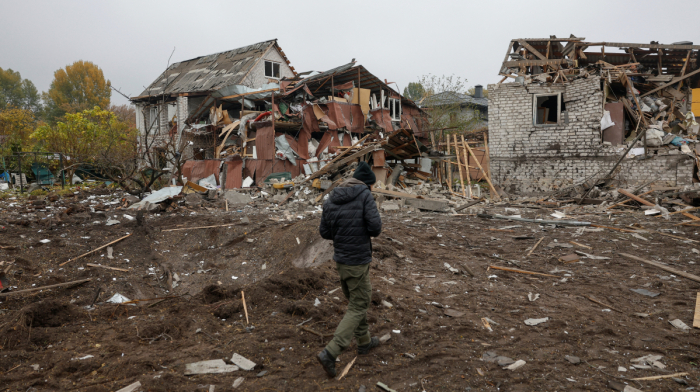
Four people were killed, including a child, in Ukrainian strikes on the Russian port city of Novorossiysk overnight, according to the governor of the Krasnodar region. Ukraine's drone forces commander, Robert Brovdi, said Russian military ships were destroyed in the attacks.
Wildfires have broken out in Türkiye’s Antalya province, forcing hundreds of people to evacuate as strong winds fuelled the flames.
Overnight Iranian strikes on an air base in Jordan damaged multiple U.S. aircraft and left one without a wing, American media reported. Meanwhile, explosions were heard across parts of southern Iran according to local media reports.
A TV channel was struck during a live broadcast on Tuesday, Ukrainian President Volodymyr Zelenskyy said, as Russian strikes on Kyiv killed at least three people, the city's Mayor Vitali Klitschko said. Meanwhile, drones hit civilian infrastructure in Russia's southwestern Saratov region.
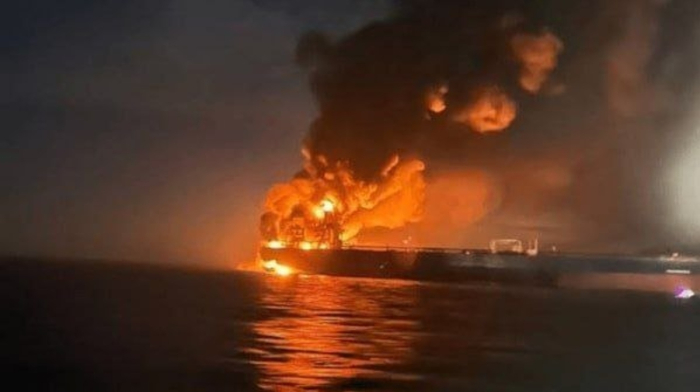
U.S. Central Command (CENTCOM) said its forces destroyed five Iranian crude oil carriers after the Islamic Revolutionary Guard Corps (IRGC) allegedly launched two ballistic missile attacks against a U.S. Navy warship over the past two days.
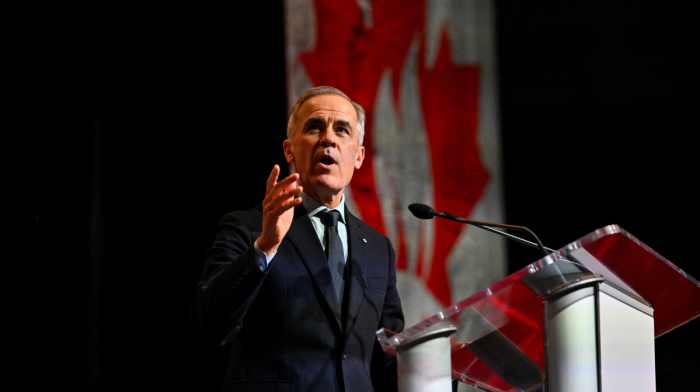
Ukrainian forces struck a Russian oil refinery in Siberia and a seaport in Dagestan in the past 24 hours, President Volodymyr Zelenskyy said. He will meet Canadian Prime Minister Mark Carney on Thursday to discuss air defences for Ukraine over winter.
Eight Muslim-majority countries have launched a joint push for wider international action against trade linked to Israeli settlements, seeking to build momentum from new measures announced by the UK and other Western governments.
Saudi Arabia is facing a problem that goes beyond the latest Houthi attacks on its southern oil facilities. The kingdom is now dealing with pressure on energy exports at the Strait of Hormuz to the east and the Red Sea route to the west.
Two Azerbaijani sailors were killed on Wednesday when a foreign cargo ship they were travelling on was attacked by drones in the Black Sea, Baku's Foreign Ministry has said.
Iceland’s government plans to introduce legislation in February to permanently ban commercial whaling, potentially leaving Norway and Japan as the world’s only countries still allowing the practice.
You can download the AnewZ application from Play Store and the App Store.
What is your opinion on this topic?
Leave the first comment