Russian and U.S. diplomats will meet in Istanbul to discuss diplomatic disputes, seen as a step toward ending the Ukraine war. Talks follow recent Putin-Trump discussions, with business ties and ceasefire prospects on the agenda.
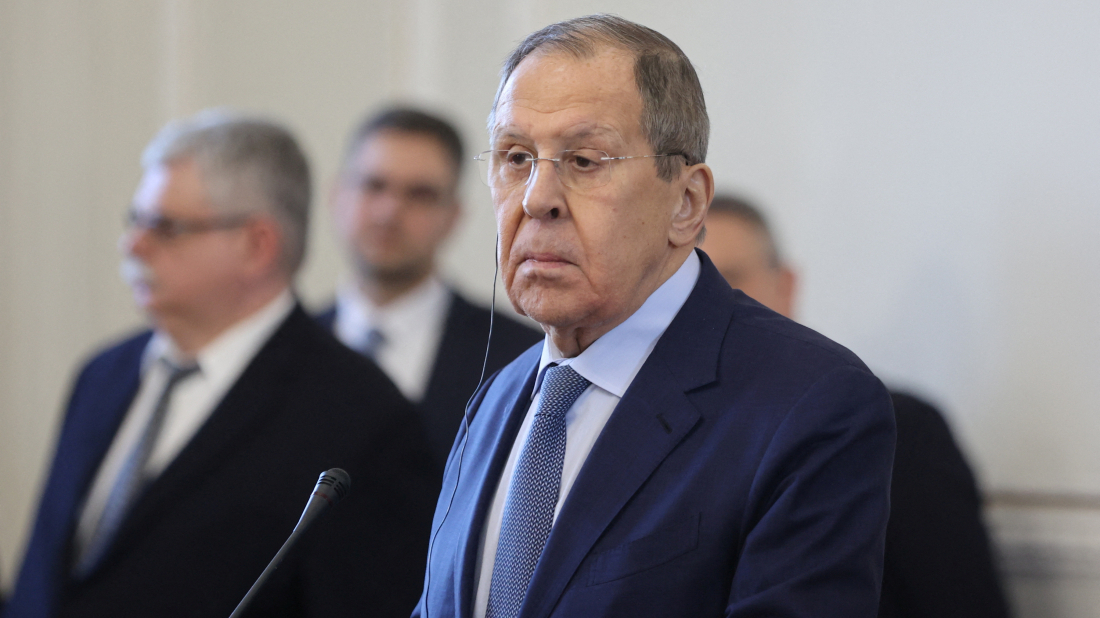
Russian and U.S. diplomats will meet in Istanbul on Thursday, Russian Foreign Minister Sergei Lavrov said, for talks on resolving bilateral disputes that form part of a wider dialogue they see as crucial to ending the Ukraine war.
Lavrov said the talks would focus on creating better conditions for Russian diplomats in the United States and their U.S. counterparts in Russia, after a series of rows over staffing levels and embassy properties.
The outcome of the Istanbul talks - which follow a call between presidents Vladimir Putin and Donald Trump on February 12 and a high-level Russian-U.S. meeting in Saudi Arabia on February 18 - "will show how quickly and effectively we can move," Lavrov said.
Trump has said he wants to move quickly towards a ceasefire in Ukraine, but Putin this week tempered expectations of rapid progress, saying nothing could be achieved without restoring trust between Russia and the United States.
The agenda for Thursday's talks, as described by Lavrov, signals that the two sides will focus first on technical barriers to diplomatic relations before moving on to more ambitious goals. He blamed the situation on the administration of Trump's predecessor, Joe Biden.
"Our high-level diplomats, experts, will meet and consider the systemic problems that have accumulated as a result of the illegal activities of the previous administration to create artificial obstacles for the activities of the Russian embassy, to which we, naturally, reciprocated and also created uncomfortable conditions for the work of the American embassy in Moscow," Lavrov said.
BUSINESS OPPORTUNITIES
As talks progress, both countries have said they want to explore the possibility of lucrative business ventures, as well as seeking an end to the Ukraine war. Putin said this week that Moscow would be ready to invite the U.S. to enter joint projects to tap rare earth deposits in Russia and in the parts of Ukraine that it has claimed as its own territory.
Trump's rapid moves to repair relations with Russia, reversing Biden's policy of trying to isolate Russia with sanctions, have raised fears in Kyiv and among its European allies that they could be sidelined in any potential deal.
Kremlin spokesman Dmitry Peskov reiterated on Wednesday that there was an understanding that Trump and Putin should meet in person after thorough preparation, but said there were no details yet on when and where this would happen.
He said the two leaders could speak again by phone if needed, but there were no current plans for this.
















What is your opinion on this topic?
Leave the first comment