The UN Security Council adopted a U.S.-drafted resolution that takes a neutral stance on the war, coinciding with President Trump's efforts to broker peace. The resolution's passage follows amendments made by the General Assembly to support Ukraine, which were seen as a victory for European nations.
The UN Security Council has adopted a U.S.-drafted resolution urging an end to the war in Ukraine. The resolution takes a neutral stance, aligning with U.S. President Donald Trump’s efforts to broker peace.
The move follows amendments by the UN General Assembly, where European nations successfully pushed for stronger language in support of Ukraine. However, Russia’s UN Ambassador Vassily Nebenzia saw the changes as a shift in the U.S. position, calling the resolution “not an ideal one” but “a starting point for future efforts towards peaceful settlement.”
Vassily Nebenzia, Russian UN Ambassador mentioned:
“Western European sponsors of the Ukrainian regime continue to shield him and pin all blame for the crisis on Russia, without considering Kyiv’s actions. But as we saw in today's vote, it is becoming increasingly difficult for them.”
The original U.S. draft focused on ending the war and reaffirming the UN’s role in maintaining peace. But European nations insisted on stronger wording, stressing Russia’s full-scale invasion and reaffirming Ukraine’s sovereignty.
Ukrainian Deputy Foreign Minister Mariana Betsa criticized the initial draft for not directly calling Russia’s actions aggression. She rejected any peace talks that exclude Ukraine.
Mariana Betsa, Ukrainian Deputy Foreign Minister stated:
“The myth of Russia’s military invincibility has been shattered. What was once seen as an unstoppable force has been met with resilience, courage, and determination, reinforced by the unwavering support of the free world. Aggression must be condemned and discredited, not rewarded.”
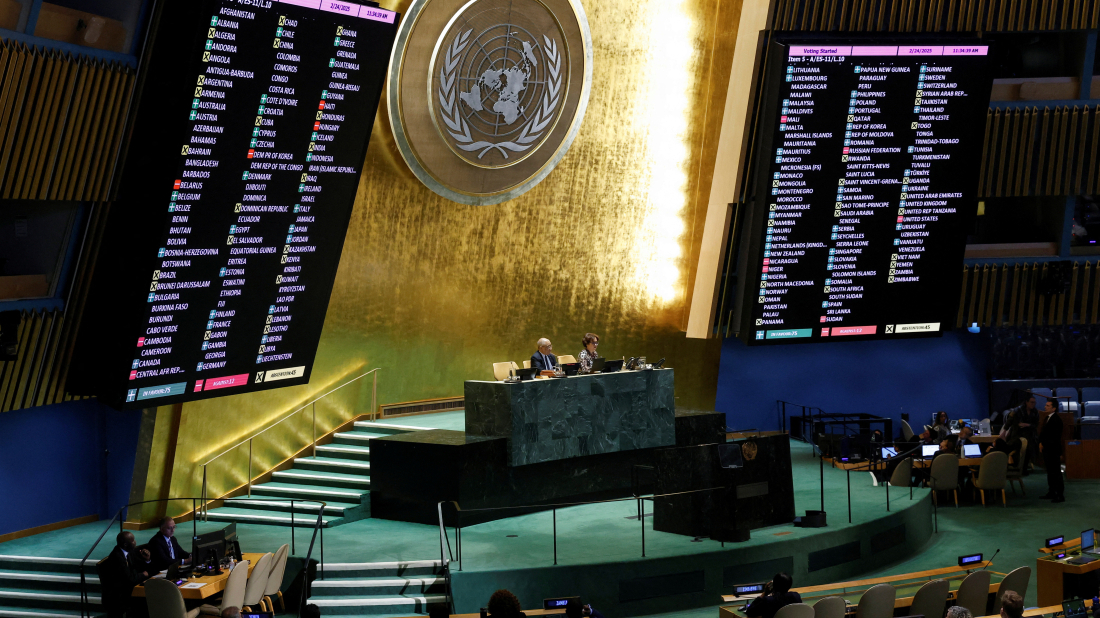
The amended resolution passed with 93 votes in favor, 73 abstentions, and eight votes against. Meanwhile, the U.S.-drafted resolution in the Security Council received 10 votes in favor, with no votes against but five abstentions—including France, the UK, Denmark, Greece, and Slovenia.
French Ambassador Nicolas De Rivière explained why his country withheld support:
Nicolas De Rivière, French UN Ambassador emphasized:
“France did not vote in favor of the U.S. resolution. While we are fully committed to peace, we call for a just and lasting peace—not the capitulation of the victim.”
U.S. Chargé d’Affaires Dorothy Shea defended the resolution, reaffirming America’s commitment to ending the war.
Earlier, the General Assembly passed a separate Ukrainian resolution with 93 votes in favor and 65 abstentions, marking a drop in international support compared to previous votes that saw over 140 nations condemn Russia’s actions.
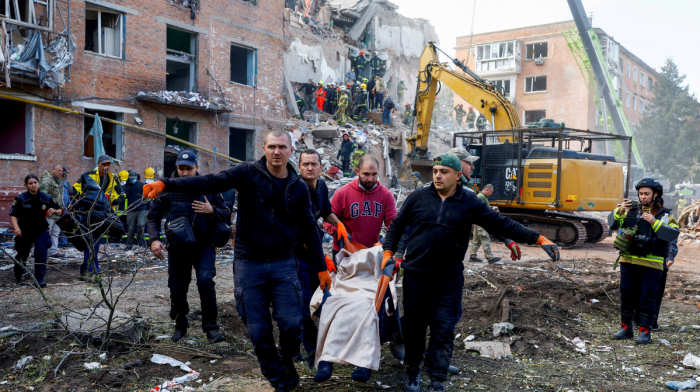
Meanwhile, the humanitarian toll continues to rise. U.S. Under-Secretary-General Rosemary DiCarlo reported that since the invasion began, at least 12,654 civilians have been killed, including 673 children, with 29,392 injured.
As diplomatic efforts unfold, divisions among Ukraine’s allies highlight the challenges of reaching a unified path toward peace.












What is your opinion on this topic?
Leave the first comment