Critical minerals: the new arena of U.S.–China competition
The U.S. and China are locked in a growing struggle over critical minerals, the materials that power everything from electric vehicles and microchips ...
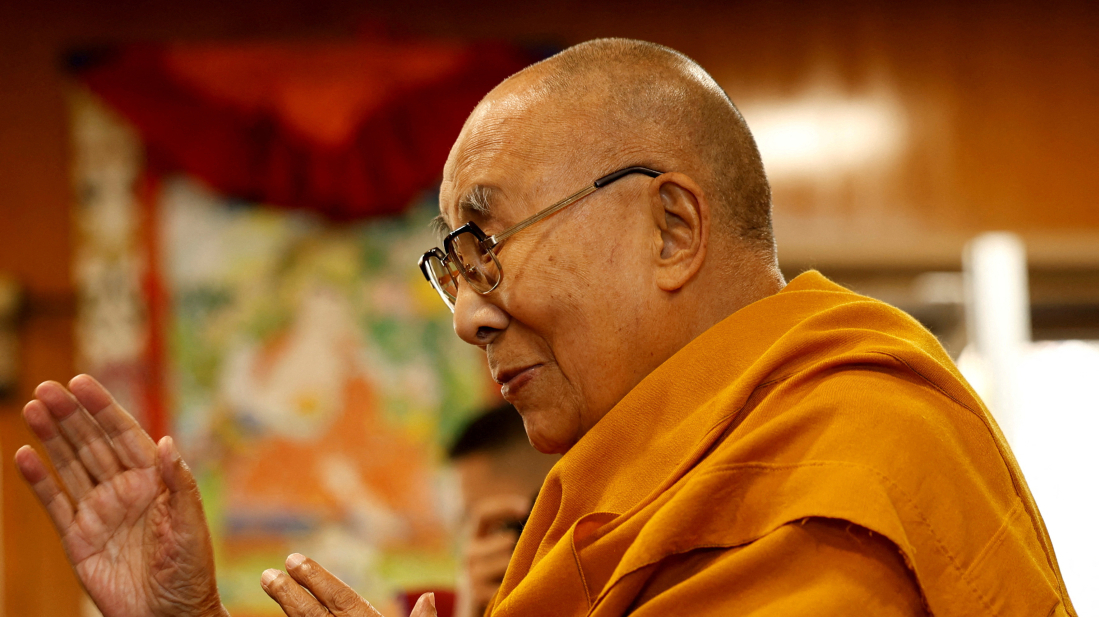
As the Dalai Lama turns 90, the question of his successor is drawing global attention — not just spiritually, but a deeply political one for China, India, and the U.S.
The succession of the Dalai Lama, Tibet’s exiled spiritual leader and Nobel laureate, has become a global flashpoint, with China, India, and the U.S. all closely watching how the next incarnation will be chosen.
Tibetan officials in Dharamshala say the Gaden Phodrang Foundation will independently identify and recognize the Dalai Lama’s successor without Beijing’s involvement. China, meanwhile, insists any reincarnation must follow its legal procedures, including use of a golden urn and birth within China’s borders.
India, home to the Dalai Lama and more than 100,000 Tibetans, holds quiet strategic influence over the issue, especially in light of its fraught relations with China.
The U.S. has also voiced strong opposition to any Chinese role in the succession, with recent legislation underscoring American support for Tibetan autonomy and religious freedom.
As Beijing continues to label the Dalai Lama a separatist and bans public reverence of him in Tibet, his succession promises to be not just a spiritual milestone, but a geopolitical flashpoint between competing powers.

Iran’s Islamic Revolutionary Guard Corps (IRGC) unveiled a new underground ballistic missile base on Wednesday (4 February), just over a day before the start of mediated nuclear negotiations with the United States, slated for Friday in Oman.
Rivers and reservoirs across Spain and Portugal were on the verge of overflowing on Wednesday as a new weather front pounded the Iberian peninsula, compounding damage from last week's Storm Kristin.
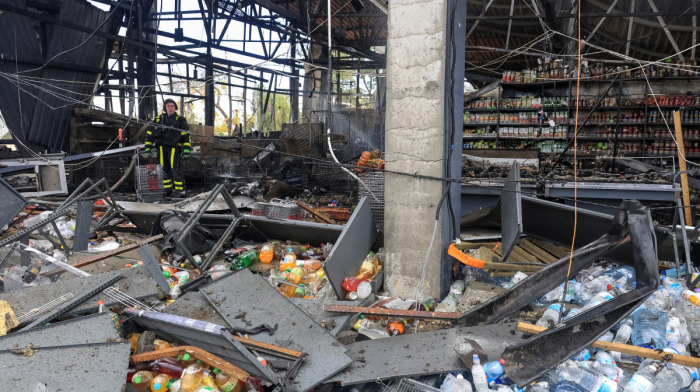
Morocco has evacuated more than 100,000 people from four provinces after heavy rainfall triggered flash floods across several northern regions, the Interior Ministry said on Wednesday.
A second group of Palestinians receiving medical treatment arrived in Egypt from Gaza via the Rafah border crossing on Tuesday (3 February).
The World Health Organization has added the Nipah virus to its list of the world’s top 10 priority diseases, alongside COVID-19 and the Zika virus, warning that its epidemic potential highlights the global risk posed by fast-spreading outbreaks.
The U.S. and China are locked in a growing struggle over critical minerals, the materials that power everything from electric vehicles and microchips to missiles and advanced radar systems, as both sides move to secure control over supply chains that underpin economic and military power.
Greek authorities have arrested a member of the armed forces on suspicion of leaking highly sensitive military information to foreign handlers allegedly linked to China.
Norwegian prosecutors have launched a corruption investigation into former prime minister Thorbjørn Jagland after newly released documents linked to Jeffrey Epstein allegedly showed possible benefit transfers during Jagland’s time in senior international roles.
Russian troops in Ukraine have lost access to Starlink internet terminals after Kyiv and SpaceX moved to block unauthorised Russian use, a disruption Ukrainian officials described as a major blow to Moscow’s battlefield operations.
Mexican federal officers detained Mayor Diego Rivera on Thursday during coordinated raids that also led to the arrest of the municipality’s security director and the heads of public works and the land registry.
You can download the AnewZ application from Play Store and the App Store.
What is your opinion on this topic?
Leave the first comment