Donald Trump’s Gaza statements have prompted Israel to prepare a military plan for the forced displacement of Palestinians. Defense Minister Yisrael Katz outlined evacuations by land, sea, and air, raising concerns over the potential regional impact of the controversial move.
In a significant development, former US President Donald Trump's statements on Gaza have resonated in Israel, prompting the Israeli government to take further action. Israeli Defence Minister Yisrael Katz has instructed the military to prepare a plan for the forced displacement of Palestinians in Gaza. According to Israel’s state broadcaster Kan, this plan includes evacuations by land, sea, and air. Katz argued that European countries which recognised the Palestinian state last year should be obliged to accept Palestinians from Gaza, aiming to give this process an international dimension.
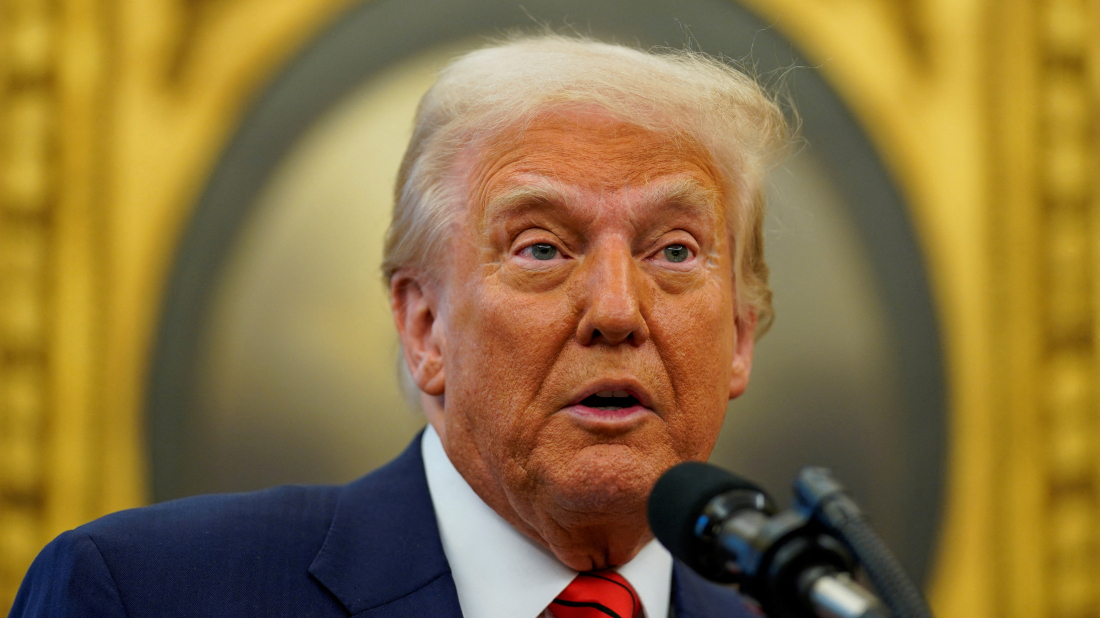
Trump’s initial statements included an extreme proposal, such as transferring Gaza to the United States and relocating Palestinians to Jordan and Egypt. However, after facing strong backlash, Trump clarified that this plan did not mean “forced migration,” but rather that the US would take over Gaza, rebuild it, and launch one of the largest development projects in the region.
Although these new statements appear softer than Trump’s initial stance, they do not change the essence of the plan. Two possibilities stand out here: Trump is softening his rhetoric due to international backlash but not changing his policy. He may be trying to legitimise the process by framing it within a more positive theme, such as the rebuilding of Gaza. Alternatively, Trump may be covertly supporting Israel’s plan and wants to implement it gradually over time.
The realism of Israel’s forced displacement plan is questionable. Forcibly expelling more than two million people would require a significant military operation, inevitably increasing the risk of regional war. As an alternative, Israel could use Trump’s “rebuilding” rhetoric to solidify its control over Gaza and pursue a long-term plan to gradually reduce the Palestinian population.
However, if Israel implements this plan, Palestinian resistance groups may respond harshly, further escalating conflicts in the region. Alternatively, regional balances could shift, with neighbouring countries like Jordan and Egypt getting involved, potentially leading to new alliances and conflicts in the Middle East.
Trump’s latest statements may appear to be a retreat on the surface, but they indicate that his policy remains unchanged. Initially, he proposed a shocking idea to test reactions, and now he is promoting a more “moderate” version to increase its feasibility. The fact that Israel is already preparing such a plan suggests that Trump’s statements are not just political rhetoric but part of a strategy with real consequences on the ground. The key question now is how quickly and by what means Israel will attempt to implement its forced displacement plan.


















What is your opinion on this topic?
Leave the first comment