A powerful El Niño is driving extreme weather worldwide, leaving millions facing drought, wildfires and destructive storms as governments scramble to respond to the growing crisis.
Rivers have dried up, crops have withered and families are struggling to secure enough food and water. In Papua New Guinea, up to eight million people have been affected by severe drought, triggering food shortages, power cuts and school and clinic closures, according to The Guardian.
El Niño occurs when surface waters in the central and eastern tropical Pacific become unusually warm, disrupting atmospheric circulation and shifting rainfall and storm patterns around the world. Some regions become hotter and drier, while others experience heavier rain and more intense storms.
Forecasts suggest the current El Niño could be the strongest on record, with its effects intensified by global warming. Indonesia’s weather agency has warned that strong El Niño conditions could persist into the first quarter of 2027.
Papua New Guinea in crisis
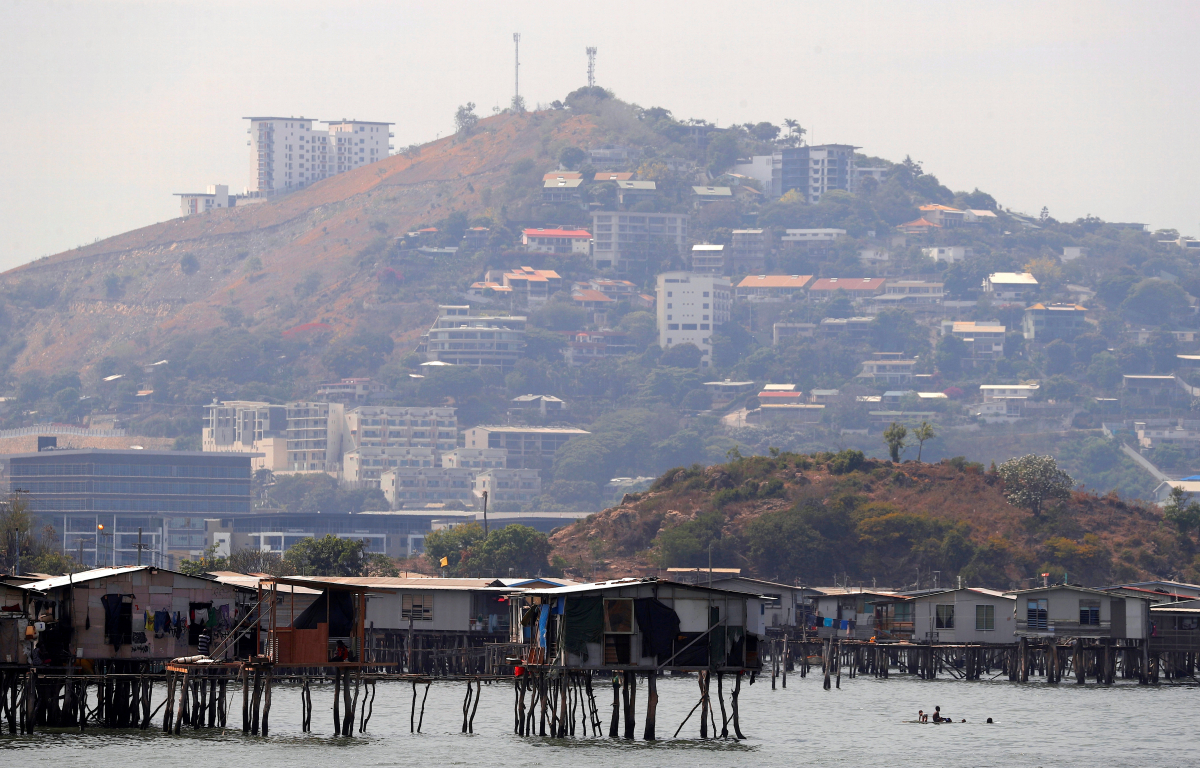
Papua New Guinea is normally one of the wettest places on Earth, receiving heavy rainfall from moisture carried by warm tropical waters. But this year, those waters have shifted eastwards, leaving some areas with less than a quarter of their usual rainfall since August.
Kasis Inape, from the country’s national weather agency, told The Guardian that most people are subsistence farmers who rely entirely on rainfall, describing the country as “starved of rain”.
Although the agency declared the onset of El Niño in June, Inape said much of the country was already experiencing drought by that point.
In Morobe province, on Papua New Guinea’s northeastern coast, smaller rivers have dried up. Some schools and health centres have reduced their opening hours to half a day, while clinics have stopped admitting patients for overnight stays because of water shortages.
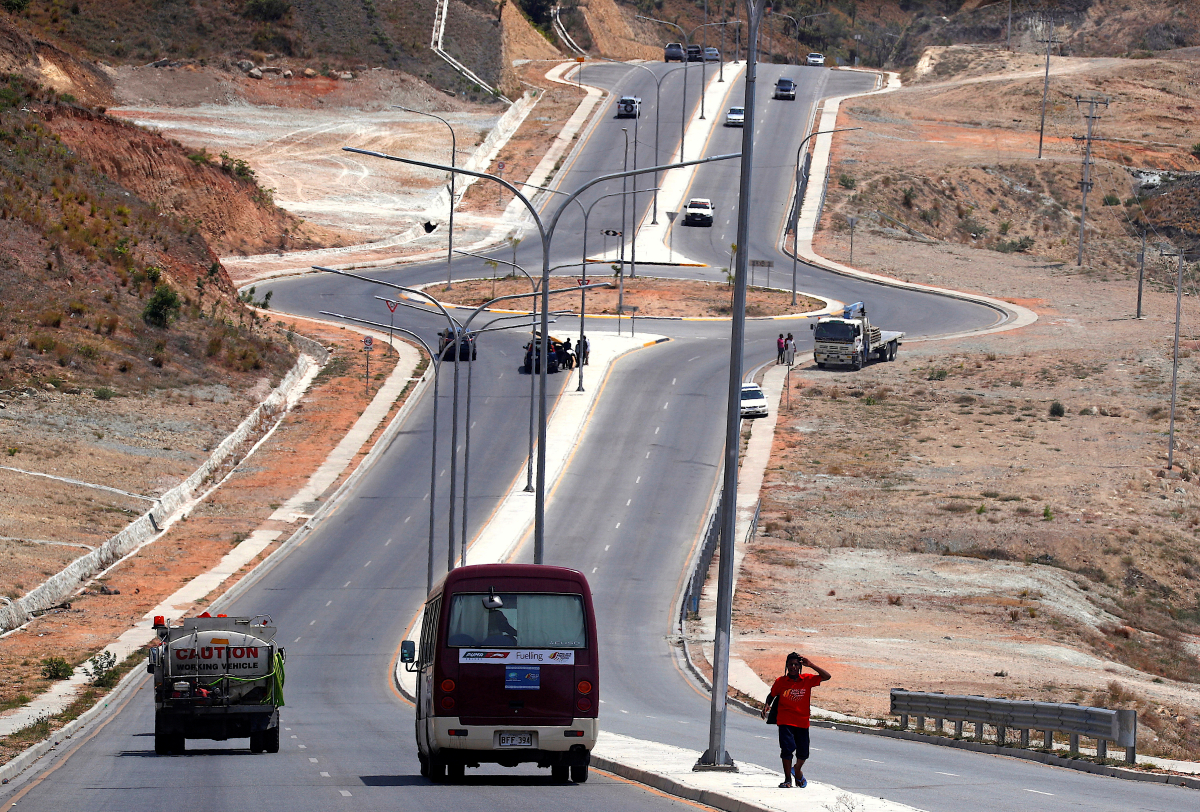
The crisis has also reached the capital, Port Moresby, where falling dam levels have reduced hydropower output. The state power company has introduced scheduled blackouts that could continue for up to 10 months.
A coalition of churches, trade unions and business groups has described the situation as a “national crisis”, warning that there appears to be no coordinated response to protect vulnerable communities.
Prime Minister James Marape has urged provincial and district authorities to prepare for an extended dry season, while the government explores funding options for disaster relief.
Indonesia battles worst wildfires in over a decade
Across the region, Indonesia is battling its worst wildfires in more than a decade, with almost 900,000 hectares (9,000 square kilometres) burned since January.
Satellite monitoring platform Nusantara Atlas recorded 895,657 hectares of burned land by August, while the Forestry Ministry reported more than 202,000 hectares between January and July.
Authorities have deployed more than 50 aircraft to carry out cloud-seeding operations aimed at encouraging rainfall and water-bombing missions to tackle the flames.
Indonesia conducted 252 cloud-seeding operations between 2021 and August 2026, although the technique is rarely used to combat wildfires elsewhere.
A senior minister acknowledged that cloud seeding relies on the presence of rain clouds, which have become increasingly scarce during the prolonged dry spell.
Smoke and haze have spread beyond Indonesia’s borders, reaching Singapore, Malaysia and the Philippines. Timor-Leste has announced a three-day nationwide school closure.
Dulled monsoon season
India has recorded its weakest monsoon in more than a decade, raising fears over crop production, food prices and the livelihoods of millions of farmers.
The 2026 monsoon season ended with a rainfall deficit of 12.6 per cent, making it the fourth weakest since 2001, according to the India Meteorological Department.
The shortfall was particularly severe in eastern and northeastern India, where rainfall was 25.6 per cent below normal. The southern peninsula recorded a deficit of around 24.4 per cent.
The lack of rain has heightened concerns over falling crop yields, depleted reservoirs, rising food inflation and pressure on rural incomes.
Nearly 52 per cent of India’s cultivated land is rain-fed, leaving millions of farmers exposed to fluctuations in seasonal rainfall.
Pacific storms intensify as Atlantic hurricanes decline
While El Niño has brought severe drought to parts of Asia, its warming effect on Pacific waters has helped fuel an exceptionally active hurricane season in the eastern Pacific.
By late September, the region had recorded 19 tropical depressions or storms, including eight hurricanes, five of which became major hurricanes.
The Atlantic has experienced the opposite effect. El Niño has suppressed hurricane activity there, with the season recording its latest first hurricane formation since satellite monitoring began.
Governments face mounting pressure
As extreme weather disrupts communities across several regions, governments face an increasingly urgent challenge: managing the immediate fallout while preparing for further droughts, fires and destructive storms.
With millions already affected, the pressure to protect food supplies, water resources and essential services is growing.
Read more about extreme weather:


















What is your opinion on this topic?
Leave the first comment