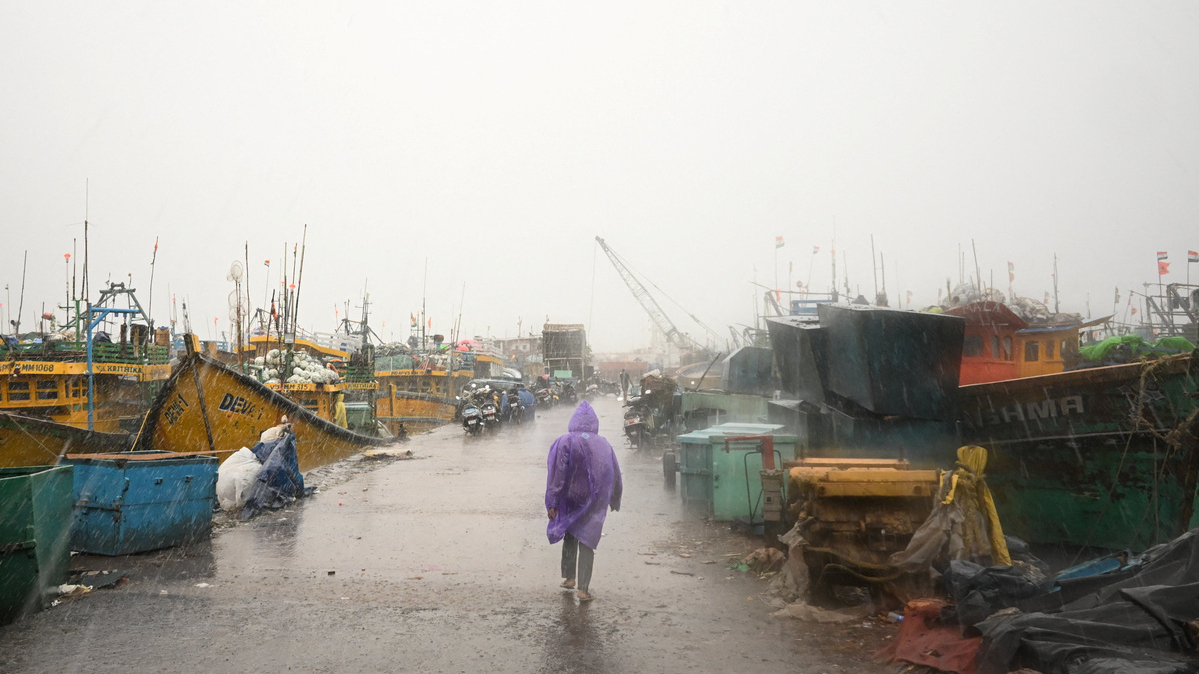
Thousands of people along India's eastern coast have been evacuated to safety, and some train services have been cancelled, one day before a severe cyclone was scheduled to make landfall, bringing gusting winds and heavy rain.
Cyclone Arnab, which formed over the Bay of Bengal, has intensified since Monday, according to India’s weather office.
It is expected to make landfall in the southern coastal state of Andhra Pradesh by Wednesday morning (28 October), bringing strong winds and intense rainfall to parts of the state and neighbouring Odisha.
The India Meteorological Department said the weather front is expected to move at around 115 to 125 kilometres per hour, with wind speeds potentially reaching 140 kilometres per hour as it approaches the Andhra Pradesh coast.
Nearly 50,000 people had been moved to shelters from vulnerable areas by Monday night, out of an estimated 400,000 people who may need to be evacuated, according to the Andhra Pradesh State Disaster Management Authority. Evacuation efforts are continuing.
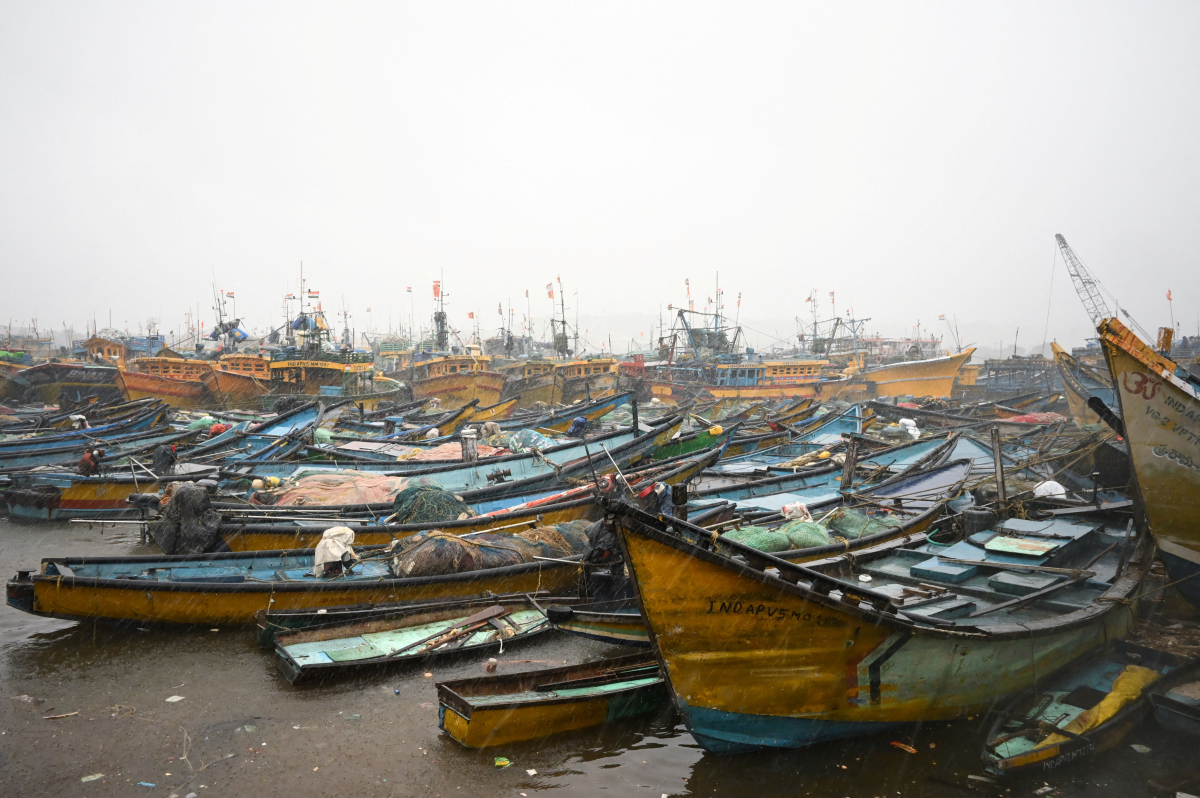
Authorities are also preparing to move 4,711 pregnant women living in high-risk areas to health centres and hospitals, while officials said all fishermen who had been at sea had returned safely to shore.
Schools shut and rail services disrupted
No evacuations had been reported in Odisha as of Tuesday, but authorities had already ordered schools and colleges in five districts to remain closed on Tuesday and Wednesday.
Schools have also been temporarily closed in other areas expected to be affected by the cyclone, while access to beaches has been restricted as a safety measure.
Television footage showed waves crashing onto deserted beaches, while shops in affected areas were shuttered.
At least 12 trains were cancelled in eastern India, while services on 53 routes along the southern coast were suspended for Tuesday and Wednesday, regional railway authorities said.
Nepal warns of floods and avalanches
Authorities in Nepal are also monitoring the cyclone closely as the country continues to recover from a deadly flash flood in August that killed around 1,500 people.
Read more on South Asia:




















What is your opinion on this topic?
Leave the first comment