The European Union has unveiled a new Arctic strategy to bolster regional security, with plans to expand satellite surveillance, protect undersea infrastructure and help member states acquire more icebreakers.
The move comes as melting ice opens up new shipping routes, intensifying competition for influence between the U.S., Russia, China and European countries.
Rising tensions put Arctic security in focus
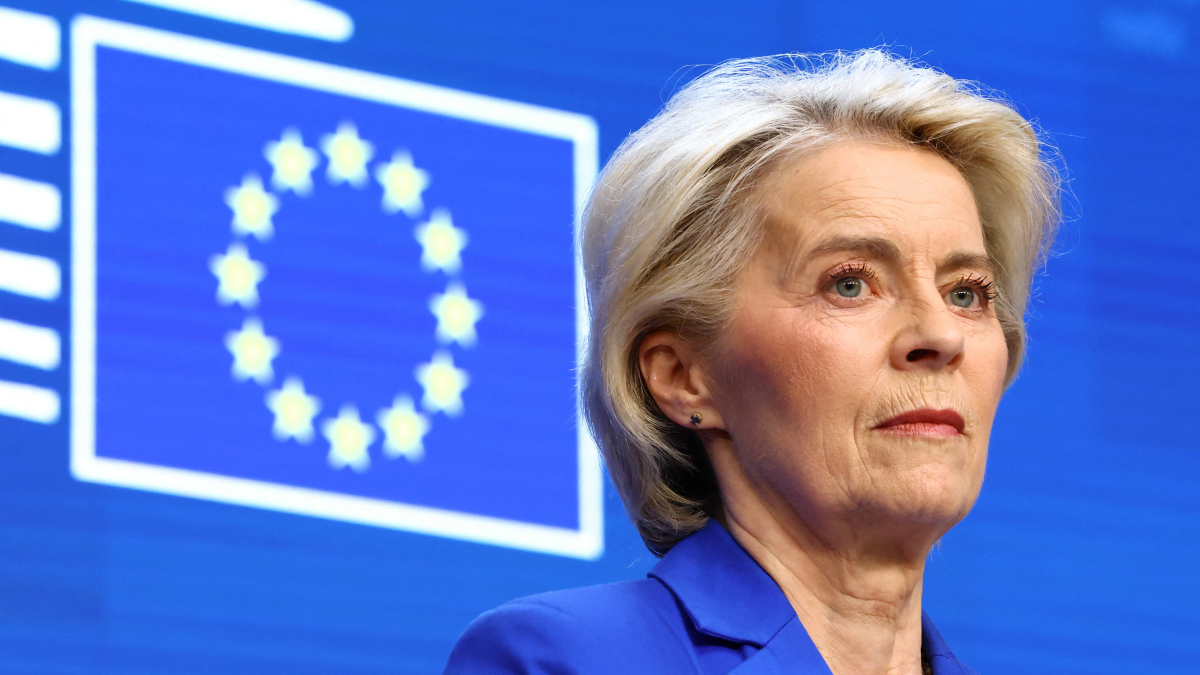
European Commission President Ursula von der Leyen warned that the Arctic was becoming a key battleground for geopolitical influence.
She said the EU could no longer take sovereignty, territorial integrity and long-standing rules governing stability in the region for granted.
The strategy comes amid mounting concerns about Russia’s military activity in the Arctic and renewed international attention on Greenland following U.S. President Donald Trump’s push to acquire the Danish territory.
EU officials say Russia has reopened and modernised Soviet-era military bases in the region and maintains a large concentration of nuclear weapons on the Kola Peninsula.
The region is also a key testing ground for Russian missile systems, according to EU officials.
Moscow has rejected Western criticism, accusing NATO of contributing to the militarisation of the region. Russian Foreign Minister Sergei Lavrov said in August that Moscow wanted to preserve peace and stability while reducing threats to its national security.
EU moves to protect undersea cables
Safeguarding critical undersea infrastructure is a key priority under the EU’s new strategy.
The bloc plans to establish a maritime security hub enabling member states and partners to share intelligence collected from the seabed to space.
Brussels also aims to set up an Arctic cable hub to monitor, protect and facilitate repairs to undersea cables.
Satellite surveillance will also be stepped up through an expansion of the EU’s Copernicus Earth observation network.
Icebreaker fleet set for expansion
The strategy calls for greater icebreaking capacity across the 27-member bloc as maritime activity in Arctic waters grows.
Finland, Sweden and Denmark are among the EU member states with significant interests in the region.
However, the strategy sets out no overall cost estimate for the proposed measures.
First strategy update since 2021
The strategy marks the EU’s first major overhaul of its Arctic policy since 2021, signalling a broader push to strengthen its influence in the increasingly contested region.
Last month, von der Leyen announced plans to invest €200 million in Greenland, highlighting the EU’s growing strategic interest in the Arctic.












What is your opinion on this topic?
Leave the first comment