A viral online game in which players dodge police checkpoints and risk detention on their way to a protest in New Delhi is turning political frustration into satire, as young Indians find new ways to challenge the authorities.
The game is part of a growing trend of digital satire inspired by youth-led protests over jobs, exam paper leaks and changes to electoral rolls across India.
One of the most popular titles, Jantar Mantar Chalo, was created by 27-year-old IT professional Suraj Kushwah, who describes it as a form of “dark humour”.
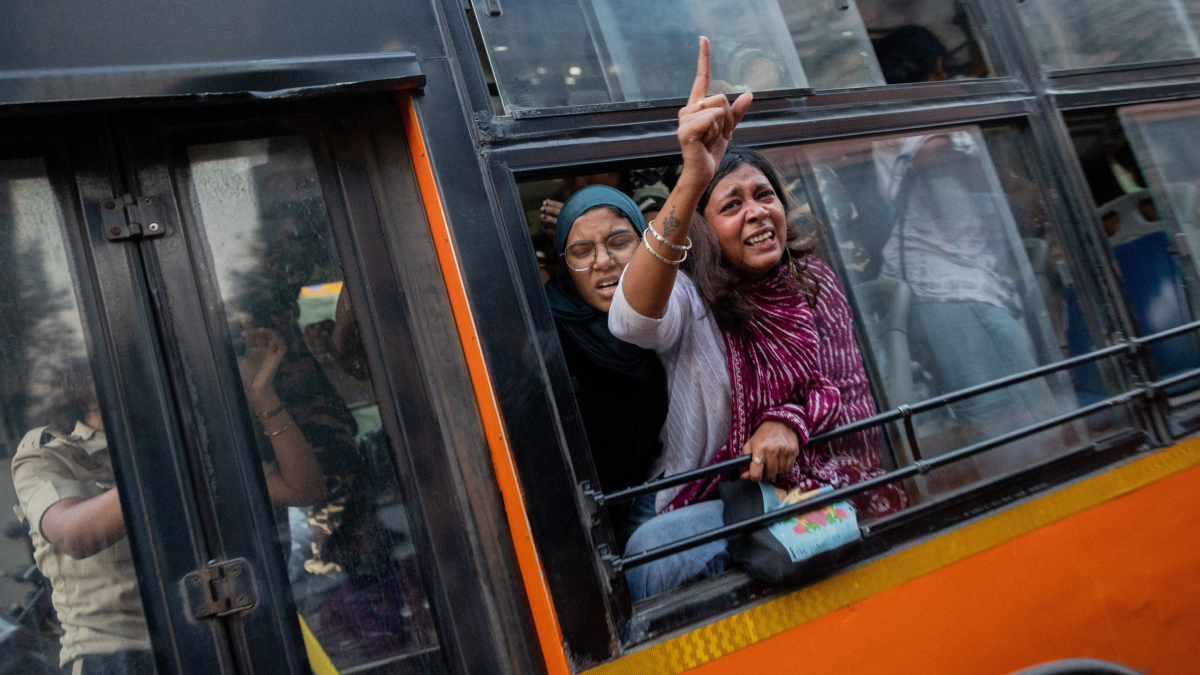
The game recreates the obstacles faced by protesters trying to reach Jantar Mantar, a major demonstration site in New Delhi, amid police blockades, road closures and suspended public transport services.
Players can form a kafila, or procession, dodge police checkpoints and make their way to the protest site. Alternatively, they can take on the role of police officers, using batons and tear gas to disperse demonstrators.
Kushwah said the idea came to him after watching reports of protesters being detained while attempting to reach Jantar Mantar.
Since its launch on 14 October, the game has attracted at least 2,000 players at any given time, according to Kushwah.
Satire becomes a tool for dissent
Another game puts left-wing activist Neha Bora at the centre of a retro, 8-bit platform adventure inspired by classic arcade games.
Co-developer Anav Nayar said he and his brother Akshay saw satire as a powerful tool for tackling political issues.
The games signal a shift in how young Indians express dissent, using memes, humour and shareable online content to deliver political messages in ways that resonate with a digital generation.
Voter roll dispute fuels protests
The rise of these games comes amid protests over the Election Commission's controversial voter roll revision exercise.
Opposition parties and activists allege that the process has disenfranchised 130 million eligible voters, giving Prime Minister Narendra Modi's Bharatiya Janata Party (BJP) an advantage.
Both the Election Commission and the BJP have rejected the allegations.
Public anger has also been fuelled by the so-called “cockroach” youth movement, which began as an online joke before evolving into a wider protest campaign.
Modi faces new challenge from Gen Z
The growing popularity of political satire among young Indians presents a fresh challenge for Modi and the BJP, long known for their strong presence in digital campaigning.
Following the resignation of Modi's education minister in July, partly driven by the “cockroach” movement, the prime minister intensified his efforts to connect with younger voters through self-recorded videos on Instagram.
Political analyst Rasheed Kidwai said young Indians were increasingly challenging the BJP's grip on political narratives, both online and on the streets.
From dodging virtual police checkpoints to mocking political leaders through arcade-style games, India's Gen Z is turning digital entertainment into a new platform for protest.















What is your opinion on this topic?
Leave the first comment