India’s ‘Cockroach’ movement began as an online satire-driven initiative and evolved into a protest group challenging political and institutional decisions. It has since drawn attention over education-related grievances and is now calling for the resignation of India’s Chief Election Commissioner.
How the ‘Cockroach’ movement began
The movement emerged after India’s Chief Justice, Surya Kant, used the word “cockroaches” to describe some unemployed young people.
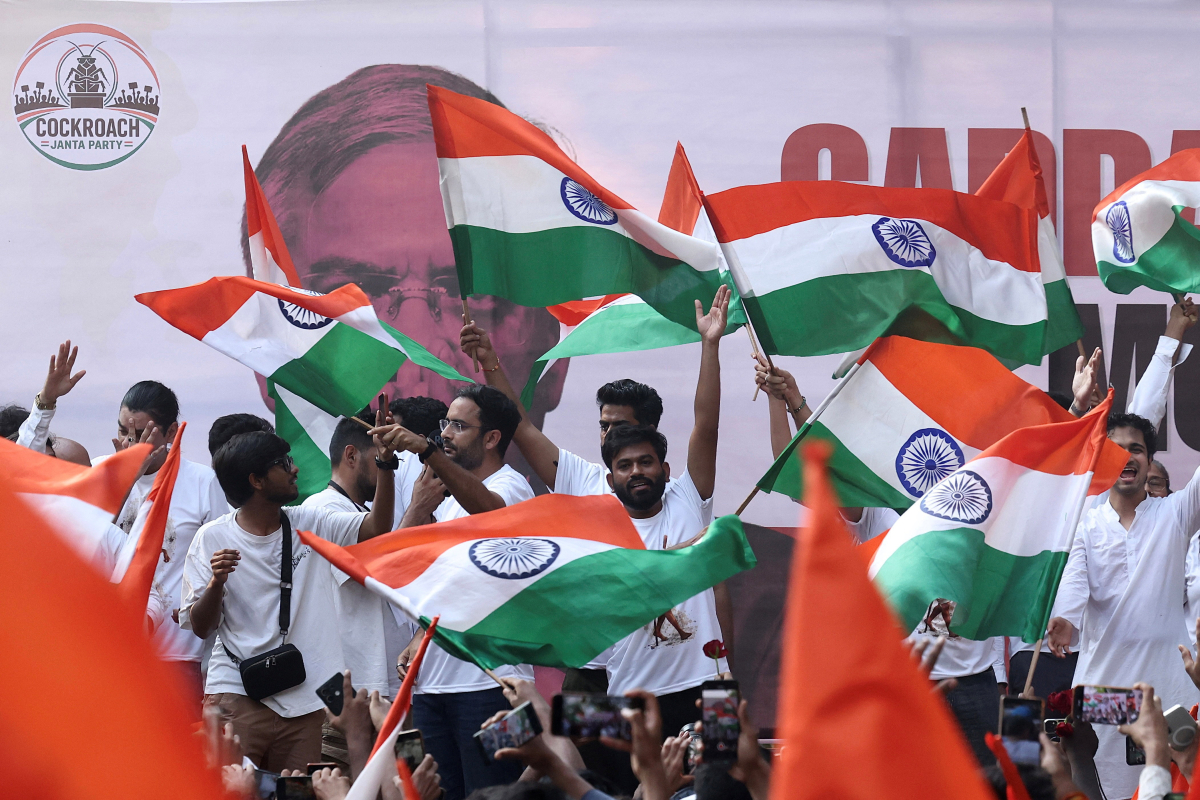
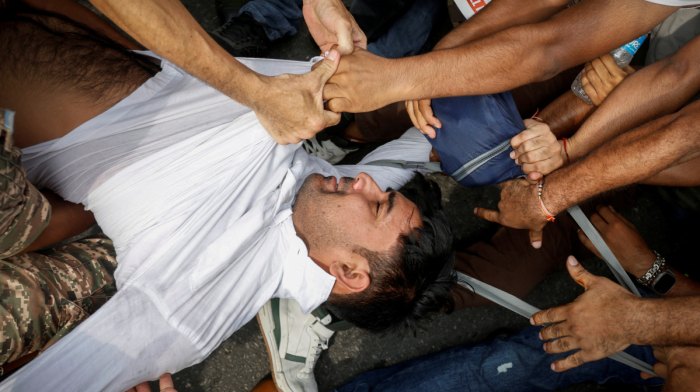
The remark prompted Abhijeet Dipke, a 31-year-old activist, to establish the Cockroach Janta Party (CJP), turning the term into the name of a group that channels public frustration into protest.
The group initially focused on education-related issues, including examination paper leaks and concerns about the treatment of students and job seekers. Its protests called for accountability from officials, including Education Minister Dharmendra Pradhan, whose resignation the group says followed its campaign.
The movement’s use of satire and provocative branding has helped it attract attention, while its campaigns have centred on grievances involving public institutions and government accountability.
Why the movement is protesting now
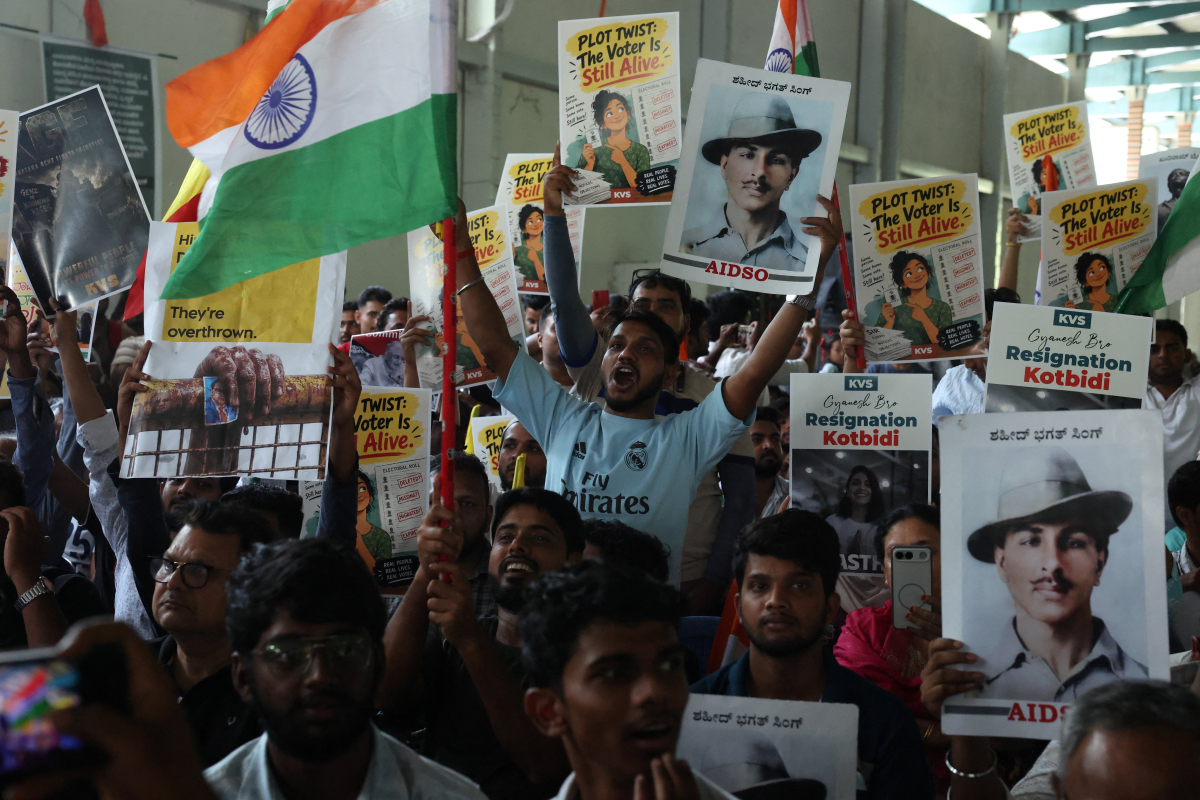
The CJP has recently joined opposition calls for Chief Election Commissioner Gyanesh Kumar to resign over a large-scale verification of electoral rolls.
The process has reportedly resulted in around 130 million names being removed from voter lists, prompting concerns about whether eligible voters could be excluded.
Opposition parties and campaigners have questioned the process and its potential impact on minority communities, particularly Muslim voters. The ruling Bharatiya Janata Party (BJP) and the Election Commission have denied allegations of manipulation.
The dispute has become a major political issue as parties prepare for upcoming state elections, including in Uttar Pradesh in 2027.
Critics argue that the removal of names could affect participation in elections, while the authorities maintain that electoral-roll verification is intended to ensure the accuracy of voter lists.
Questions over the verification process
The controversy has also raised questions about how the verification is being carried out and whether voters have sufficient opportunities to challenge removals. The Indian Express has reported that two deputy commissioners raised concerns about the process.
The Election Commission has announced home visits and extended deadlines in some states. These measures are intended to address concerns around verification, though disputes remain over the scale of the deletions and their possible consequences.
Voters whose names are missing may need to use the available procedures to check their registration status and seek corrections or inclusion, subject to the rules and deadlines applicable in their state.
A wider test of electoral trust
For the CJP, the voter-roll dispute represents a new front in its campaign for institutional accountability. Its involvement also places a movement that began with satire and education-related protests within a wider debate about democratic participation.
The central question is whether the verification process can ensure accurate electoral rolls without excluding eligible voters.
As the political dispute continues, the Election Commission faces pressure to demonstrate that the process is transparent, that affected voters have meaningful ways to appeal, and that electoral participation is protected.
Read more:

















What is your opinion on this topic?
Leave the first comment