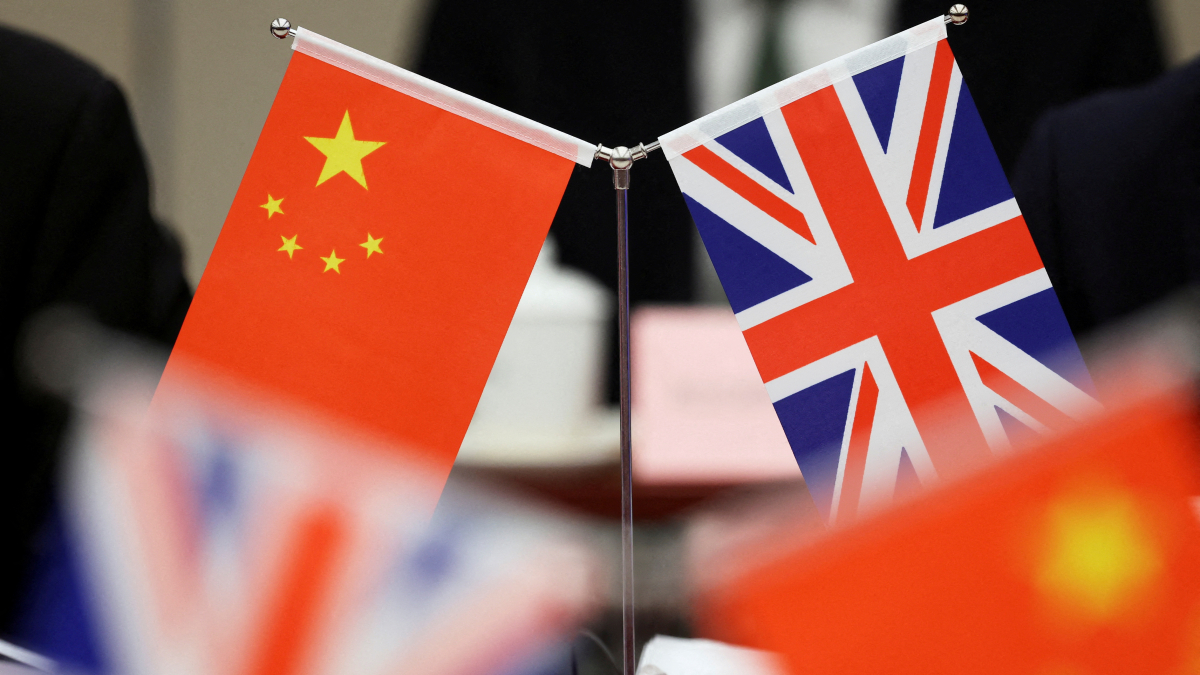
China has lodged a formal diplomatic protest with the UK after British border officials allegedly subjected Chinese travellers to lengthy questioning and seized personal electronic devices, including phones, laptops and smartwatches.
The complaint, made by the Chinese embassy in London, follows growing tensions over what Beijing calls discriminatory and politically motivated treatment of its citizens entering Britain.
According to the embassy, those affected included business delegates, tourists and people visiting relatives, suggesting the searches were not limited to individuals suspected of wrongdoing.
The embassy said British border officials had cited the Counter-Terrorism and Border Security Act 2019 to justify the searches. The legislation gives officers powers to stop, question and search people at ports without requiring reasonable suspicion.
Beijing raises concerns over border checks
Beijing has raised similar concerns before. In December 2025, the Chinese embassy warned its citizens that British border authorities could invoke counterterrorism laws to examine travel documents and electronic devices, including phones, computers and smartwatches.
The latest protest indicates that Beijing believes the practice has continued, prompting it to move beyond travel warnings and formally challenge the British authorities.
MI5 warnings add to tensions
The dispute comes amid heightened warnings from British intelligence officials about alleged Chinese espionage and interference.
Around a week before the latest embassy statement, MI5 Director General Ken McCallum singled out China in his annual threat assessment, accusing it of “espionage, coercion or democratic interference,” while warning that Britain's strengths in science and research made it a particular target.
His remarks highlighted London's growing concerns about what British security officials regard as a sustained threat from Beijing.
The Chinese embassy rejected the allegations.
“China strictly adheres to the principle of non-interference in internal affairs, poses a threat to no country and has no interest in meddling in the UK's domestic affairs,” it said in its statement.
Beijing also urged Chinese travellers to safeguard their belongings and personal information, familiarise themselves with British border regulations and seek consular assistance if needed.
Wider strain on UK-China relations
The dispute adds to tensions between London and Beijing, with security concerns increasingly overshadowing bilateral relations.
In June, two individuals were convicted at the Old Bailey of assisting a foreign intelligence service under the National Security Act 2023. The case involved surveillance of Hong Kong activists in Britain and implicated a UK Border Force officer based at Heathrow Airport.
The convictions heightened concerns about alleged Chinese intelligence operations in Britain and reinforced calls for a tougher security response.
Border search powers face scrutiny
The use of counterterrorism powers at British borders has long attracted criticism, particularly because officers can conduct certain searches without reasonable suspicion.
Critics argue that such powers risk enabling profiling based on nationality or ethnicity, raising questions about how travellers are selected for additional checks.
Beijing's protest could increase pressure on the British government to explain how these powers are applied and what safeguards are in place.
For now, the dispute highlights a widening divide between Britain's national security priorities and China's demands for fair treatment of its citizens.














What is your opinion on this topic?
Leave the first comment