Israel's 27 October parliamentary election could reshape the country's political future, with Prime Minister Benjamin Netanyahu facing a serious challenge from former military chief Gadi Eisenkot and a potentially decisive battle over coalition-building.
While many campaigns revolve around competing policy platforms, this election is also being driven by questions of leadership, security, military service, governance and accountability after the events of 7 October 2023 and the conflicts that followed.
At the centre of the contest is a familiar figure: Benjamin Netanyahu.
Israel's longest-serving prime minister is seeking another term, but he faces a challenger capable of competing on what has traditionally been his strongest issue: national security.
Former Israel Defense Forces chief Gadi Eisenkot has emerged as a leading rival, with his Yashar party ahead of or level with Netanyahu's Likud in several recent polls.
Yet winning the most seats is only part of the story. Israel's fragmented political system means the real contest may begin after the votes are counted, when parties begin negotiating coalitions.
Why this election matters
The election takes place against a backdrop of war, political division and public debate about Israel's future direction.
According to the Institute for National Security Studies (INSS), public confidence in the country's security situation has weakened, while political polarisation remains at unusually high levels. The institute's October assessment found growing public concern over security, governance and long-term strategic planning.
For supporters of Netanyahu, the election is about maintaining experienced leadership during a period of regional instability. For many opponents, it is an opportunity to bring political change after more than a decade of Netanyahu's dominance over Israeli politics.
How Israel's electoral system works
Israel elects its 120-member Knesset through nationwide proportional representation.
Voters choose parties rather than individual candidates. Each party submits a ranked list of candidates, and parliamentary seats are allocated according to the percentage of votes each party receives. Parties must secure at least 3.25 per cent of the national vote to enter parliament.
After the election, Israel's president consults party leaders and tasks the politician considered most likely to secure a parliamentary majority with forming a government.
No party has ever won an outright majority of the Knesset. Coalition-building is therefore not an exception in Israeli politics. It is the norm.
The leading candidates
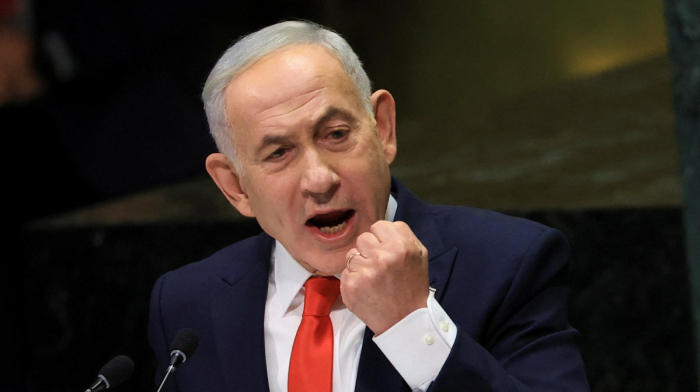
Benjamin Netanyahu (Likud)
Few politicians have shaped modern Israel as profoundly as Netanyahu.
According to a profile published by The New York Times, Netanyahu remains the dominant figure on the Israeli right despite years of political crises, coalition collapses and repeated elections.
A strategic assessment by international law and policy firm Steptoe described him as “the country's most experienced political operator,” arguing that prolonged conflict and security concerns continue to play to his strengths.
His supporters highlight:
- Experience during wartime
- Strong relationships with international leaders
- A reputation for security-focused leadership
- Deep organisational control of Likud and the governing bloc
His critics point to:
- Continuing corruption proceedings
- Public anger over the failures surrounding 7 October
- Growing fatigue after years of political turbulence
- Concerns about democratic institutions and accountability
Netanyahu's greatest political strength may be his ability to survive setbacks. As analysts at the Arab Center Washington DC have argued, he does not necessarily need an outright victory. Preventing his opponents from forming a government could be enough to keep him in power.
Gadi Eisenkot (Yashar)
If one candidate embodies the electorate's desire for change while still appealing to security-minded voters, it is Eisenkot.
A lengthy profile in The New Yorker described how the former military chief emerged from Israel's security establishment to become Netanyahu's most significant challenger.
Recent polling averages compiled by The Jerusalem Post place Yashar slightly ahead of Likud, with approximately 21-22 seats compared with 19-21 for Netanyahu's party.
Eisenkot's appeal rests on several factors:
- Decades of military experience
- Broad credibility on national security
- Appeal to both centrist and moderate right-wing voters
- A reputation for pragmatism rather than ideology
His challenge is different from Netanyahu's. The question is not whether he can lead in the polls. The question is whether he can build a governing coalition afterwards.
Naftali Bennett and Yair Lapid (Together)
Former prime ministers Bennett and Lapid are contesting the election through a joint electoral list known as Together.
The alliance aims to prevent the fragmentation that has repeatedly weakened anti-Netanyahu parties. According to Britannica, the partnership seeks to recreate the broad coalition model that temporarily removed Netanyahu from office in 2021.
Although Together currently trails both Yashar and Likud in polling, the alliance remains important because its seats could prove indispensable for any alternative government.
Bennett and Lapid are campaigning on their experience and ability to bridge political divisions, while promising to restore public trust in state institutions.
Yair Golan (The Democrats)
The leader of The Democrats represents the centre-left end of the opposition spectrum.
According to the Jerusalem Post, Golan campaigns on anti-corruption measures, judicial independence and political accountability while also emphasising his security credentials as a former deputy military chief.
Middle East Eye notes that his actions on 7 October elevated his profile nationally and strengthened his reputation among many voters.
With his party polling at around nine seats, Golan could play an important role in any opposition-led coalition.
The Kingmakers
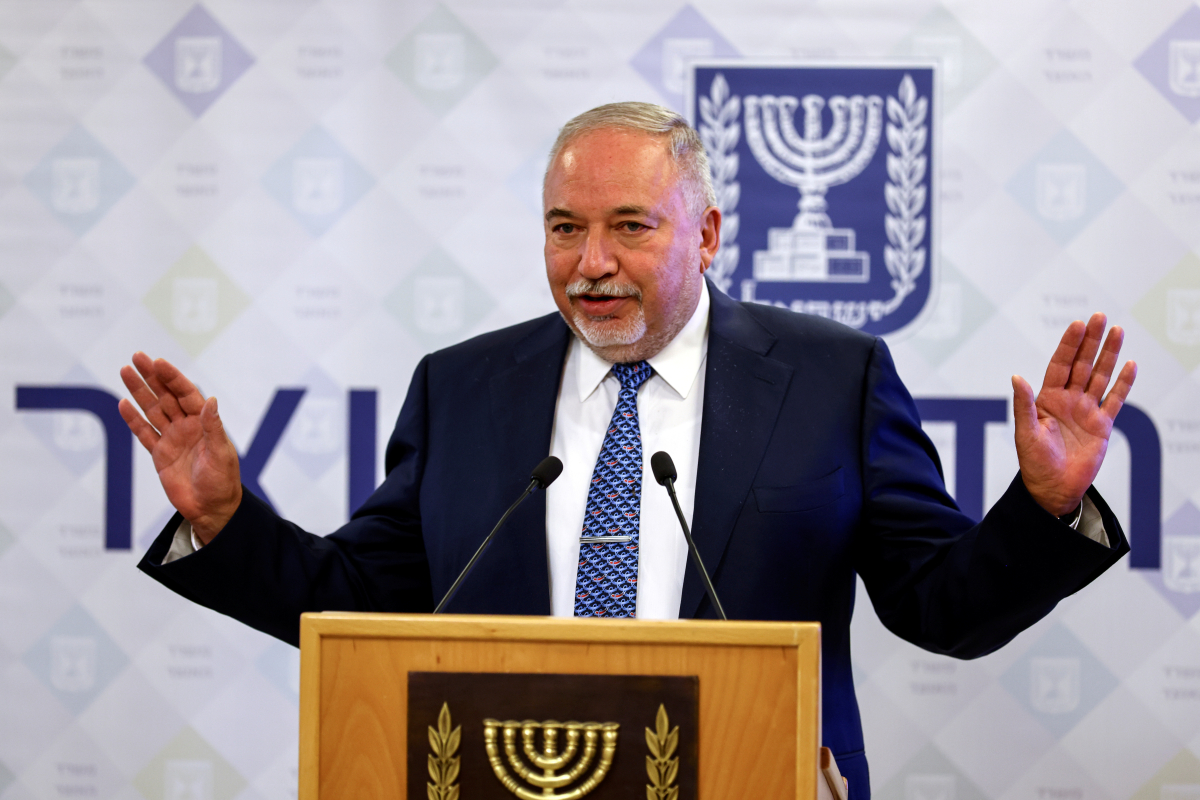
Avigdor Lieberman (Yisrael Beiteinu)
Avigdor Lieberman is a veteran Israeli politician who has held several senior government posts, including foreign minister, defence minister and deputy prime minister.
Polling consistently places Lieberman's party around eight seats. That may not sound decisive, but in a divided parliament it could become crucial.
Analysts from the Israel Policy Forum describe Lieberman as one of the most important coalition players because of his firm position on mandatory military service for ultra-Orthodox Israelis.
As leader of Yisrael Beiteinu, he has become a pivotal figure in coalition politics, often playing a kingmaker role in closely contested elections.
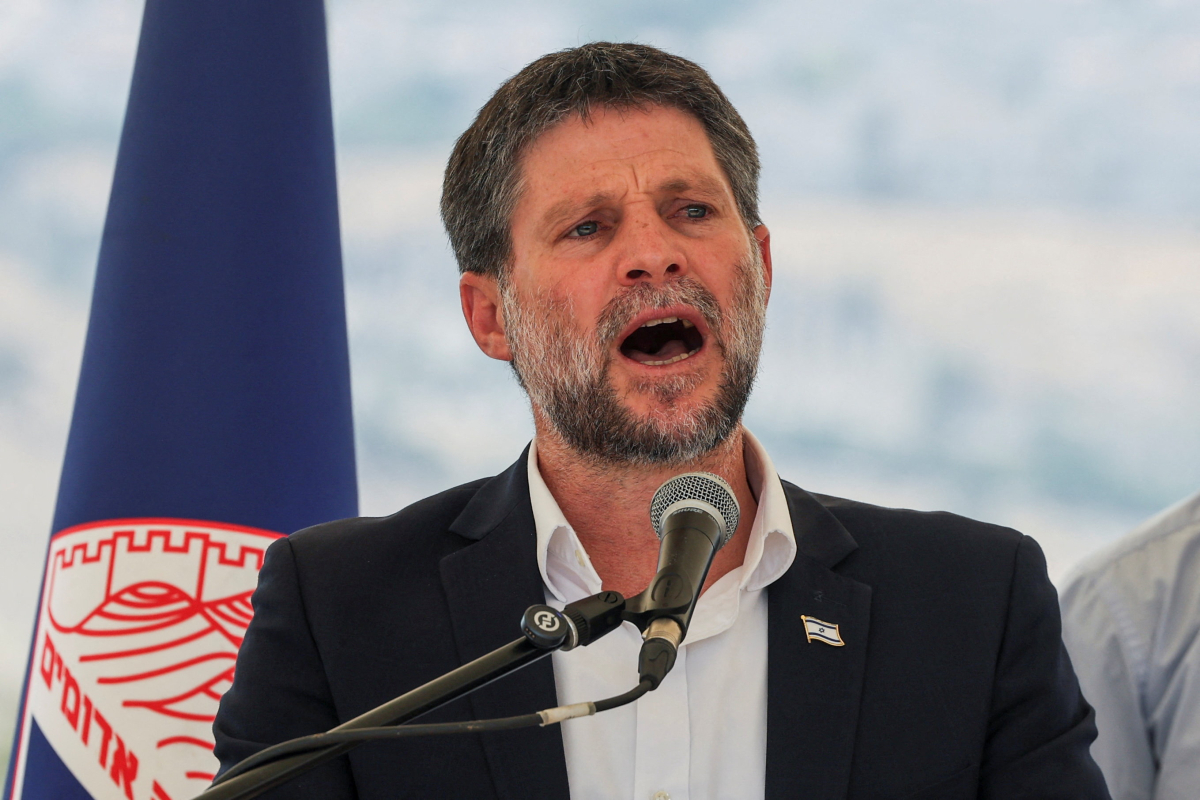
Bezalel Smotrich (Religious Zionism Party)
Finance Minister Bezalel Smotrich leads the Religious Zionism Party and remains a key ally of Netanyahu on Israel's religious-nationalist right.
Although recent polls suggest his party is struggling to match its previous electoral strength, its performance could be critical to Netanyahu's chances of securing a parliamentary majority.
Smotrich has campaigned on security, settlement policy and religious-nationalist issues, but faces growing competition from Bennett's alliance and other right-wing parties.
With Israel's electoral threshold set at 3.25 per cent, securing enough votes to enter the Knesset could be crucial not only to Smotrich's political future but also to Netanyahu's hopes of remaining in power.
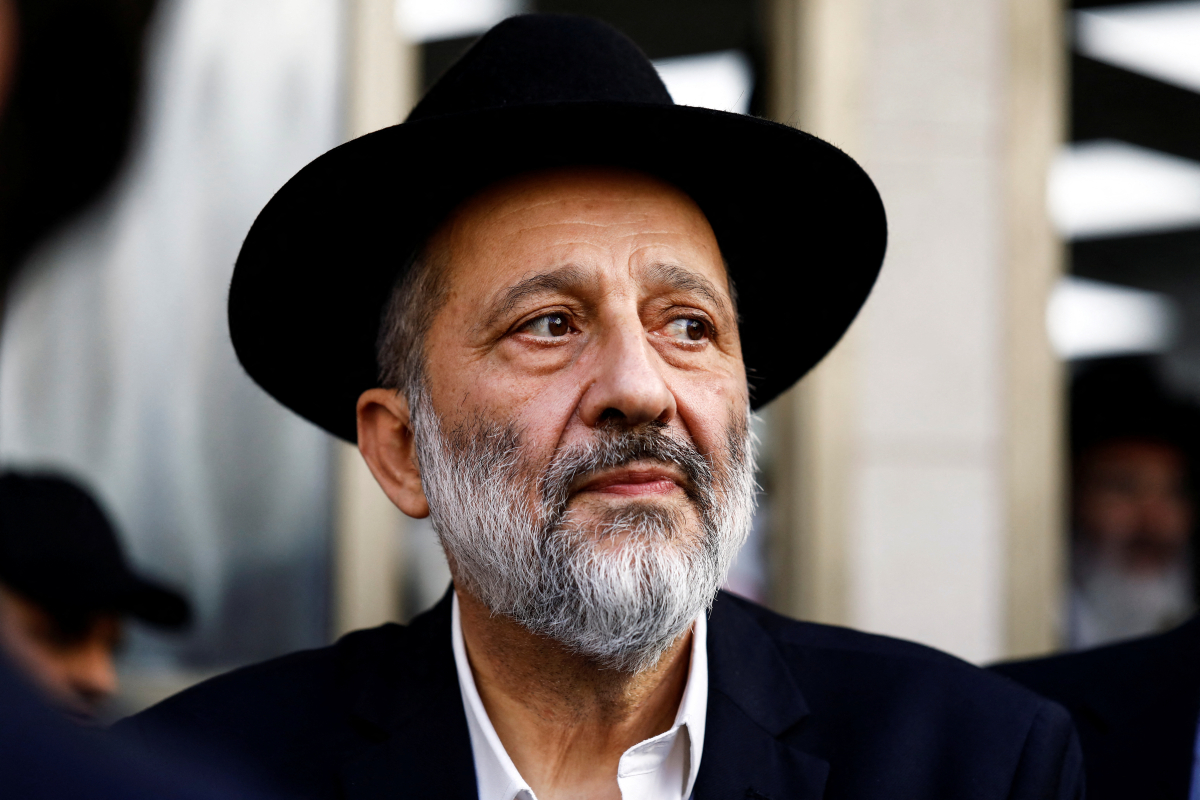
Aryeh Deri (Shas)
Aryeh Deri is the long-serving leader of the ultra-Orthodox Sephardi party Shas and has been a prominent figure in Israeli politics for decades.
A former interior and economy minister, Deri is an experienced coalition negotiator whose party is expected to secure around seven or eight seats.
According to The Jerusalem Post, he has signalled that legislation on military service will be a key condition for joining any future government.
That demand could complicate negotiations with parties seeking broader military conscription.
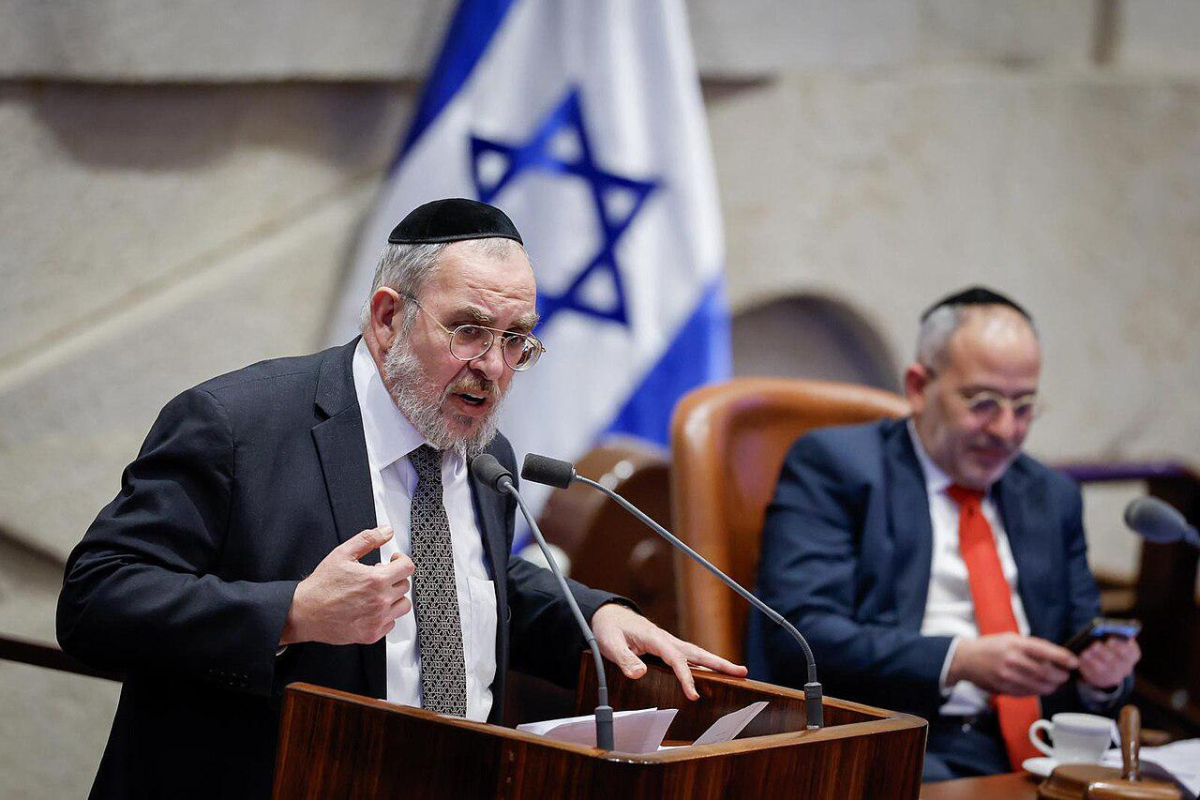
Yaakov Asher (United Torah Judaism)
Veteran lawmaker Yaakov Asher is a prominent figure in United Torah Judaism (UTJ), an ultra-Orthodox alliance that could play a decisive role in forming the next government.
A longstanding participant in Israeli coalition politics, UTJ has frequently exercised influence beyond its parliamentary strength, particularly in negotiations over religious and social policy.
Like Shas, the alliance has made military-service exemptions for ultra-Orthodox religious students a central political demand.
With neither major bloc currently polling close to a majority, Asher and other UTJ leaders could wield significant influence in negotiations, particularly over conscription legislation and the terms of any future coalition agreement.
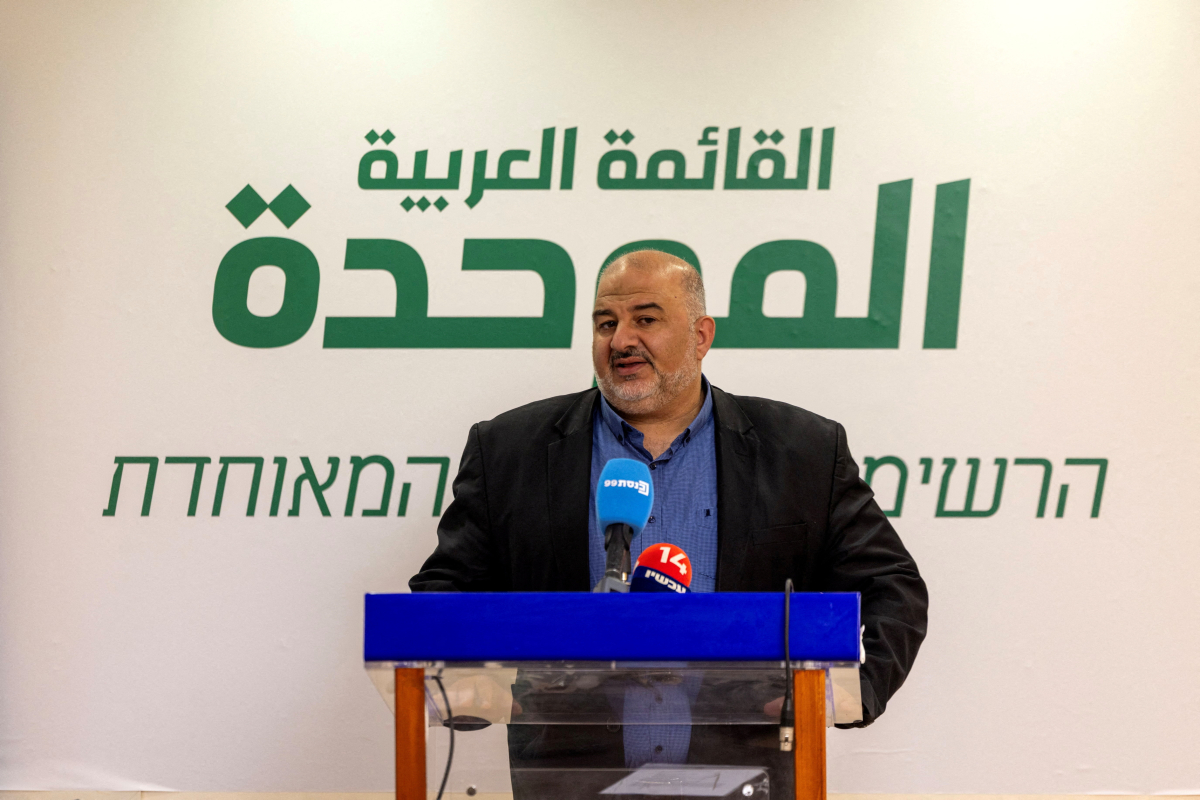
Mansour Abbas (Ra'am)
Mansour Abbas is the leader of the Islamist Arab party Ra'am and has served in the Knesset since 2019.
He made political history in 2021 when Ra'am became the first independent Arab party to join an Israeli governing coalition, helping sustain the Bennett-Lapid administration.
This is perhaps the most sensitive coalition question concerning the Arab parties.
The Arab Center Washington, D.C., argues that the arithmetic of coalition formation increasingly suggests that Arab parties may again hold the balance of power.
Ra'am, led by Abbas, is polling around five seats, while Arab parties collectively could command around 13 seats.
Whether opposition leaders are willing to rely on Arab support remains one of the major unanswered questions of the campaign.
Itamar Ben-Gvir (Otzma Yehudit)
National Security Minister Itamar Ben-Gvir leads the far-right Otzma Yehudit party and remains a powerful, if sometimes contentious, ally of Netanyahu.
Polling at around eight seats, his party could provide crucial support for another right-wing government.
Ben-Gvir's hard-line positions on security and law enforcement continue to attract support among right-wing voters, despite periodic tensions with Netanyahu's Likud.
Although he is unlikely to challenge for the premiership, Ben-Gvir could become a decisive figure in Netanyahu's efforts to secure a governing majority.
His inclusion in any coalition, however, could also narrow the options for forming a broader government. Several opposition parties, including Yesh Atid and Eisenkot's Yashar, have ruled out joining an administration that includes him.
How Netanyahu can win
1. Hold the right together
Netanyahu's most realistic path is maintaining unity among Likud, Shas, United Torah Judaism, Religious Zionism and other right-wing partners.
2. Keep security front and centre
A recurring lesson from analyses by the Washington Institute is that Netanyahu traditionally performs best when elections revolve around security threats rather than domestic frustrations.
3. Force another deadlock
For Netanyahu's rivals, winning more votes will not be enough. They must also overcome the divisions that have repeatedly undermined efforts to replace him.
How the opposition can win
Several policy institutes and political analysts identify four main strategies.
1. Consolidate the vote
The Israel Policy Forum has repeatedly argued that opposition parties must avoid wasting votes on small factions that may fail to cross the electoral threshold.
The Bennett-Lapid alliance is partly designed to reduce that risk and strengthen the opposition's overall position.
2. Neutralise Netanyahu on Security
According to Responsible Statecraft, Eisenkot's strategy is straightforward: ensure Netanyahu can no longer claim a monopoly on national security credentials.
Eisenkot's military background allows him to campaign aggressively on defence issues while still presenting himself as a change candidate.
3. Present a credible alternative
Analysts from the Israel Policy Forum argue that opposition parties cannot rely solely on being anti-Netanyahu. They must present a coherent programme on governance, military service, institutional reform and economic priorities.
4. Solve the coalition maths
This remains the hardest challenge.
An analysis in The Atlantic argues that defeating Netanyahu depends not only on electoral success but also on securing enough parliamentary support to govern.
One possibility is a minority government backed from outside by Arab parties, an arrangement with precedents in Israeli political history.
However, such a strategy remains politically controversial and carries electoral risks.
What the polls suggest
Polling released in October points to an extraordinarily close race.
The Jerusalem Post's average of four major surveys puts the leading parties at:
- Yashar: roughly 21.5 seats
- Likud: roughly 19 seats
- Together: roughly 12.5 seats
The broader picture is even more important. Both the Netanyahu bloc and the opposition bloc remain stuck around 51 seats, far below the 61 required to govern.
That means the election is unlikely to deliver a clear winner.
The real battle may begin after election day
The most important lesson from Israel's electoral history is that the largest party does not automatically form the government.
Coalitions decide who governs, and today's polling suggests neither side has an obvious path to power.
The 27 October vote therefore presents two battles: one for the largest share of seats and another for the parliamentary alliances needed to govern.
When Israelis wake up on 28 October, they may know which party has won the most seats. But the more important question - who will lead the next government - could take considerably longer to answer.
Read more:














What is your opinion on this topic?
Leave the first comment