



08:29 CET
Middle East conflict
live Saudi Aramco building attacked, limited fire reported
A building at Saudi Aramco’s headquarters in ...
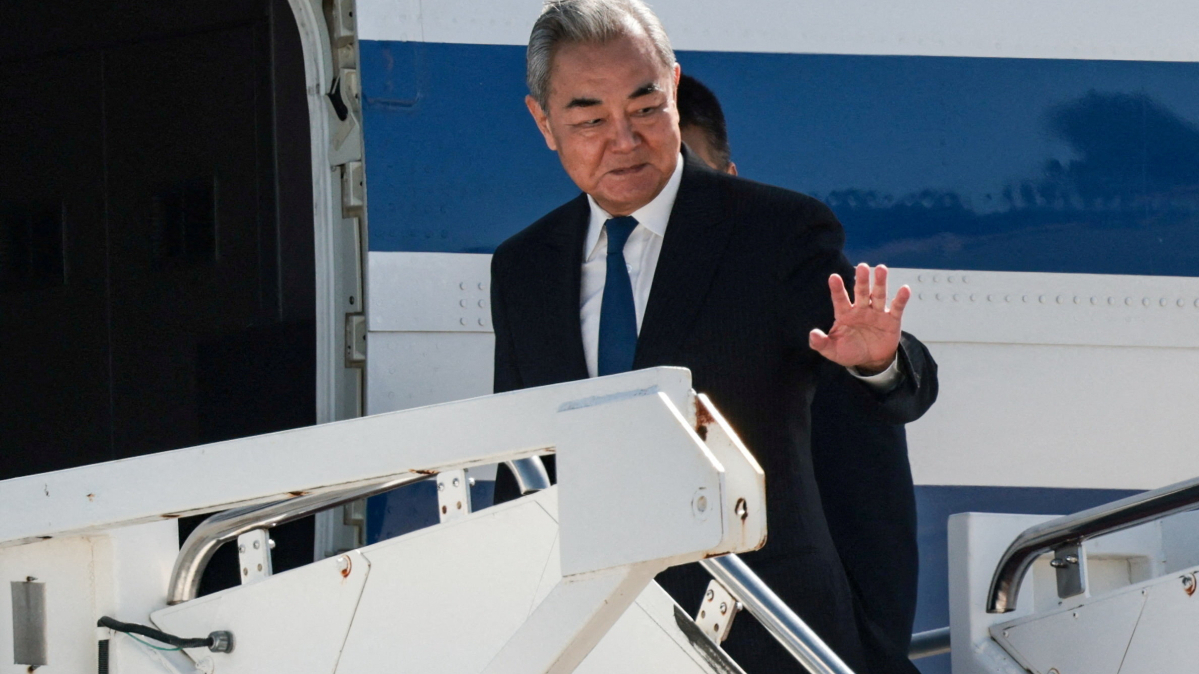


Chinese Foreign Minister Wang Yi has departed for a six-day tour of Azerbaijan, Croatia, Montenegro and Bulgaria, a visit that underscores Beijing's steady effort to build relationships and trade corridors in parts of Europe that often sit outside the spotlight of major power diplomacy.
The trip runs from October 14 to 20, with Wang attending the seventh summit of the Conference on Interaction and Confidence Building Measures in Asia (CICA) in Baku as President Xi Jinping's special envoy, before moving on to bilateral talks with foreign ministers and senior leaders in each of the three Balkan countries. The six-day tour shows Beijing's growing interest in trade routes and partnerships stretching from the South Caucasus to southeastern Europe.
For Beijing, the timing and choice of destinations are deliberate. Each country sits along or near a trade and transport corridor that China has been quietly investing in for years.
At the heart of that interest is what is known as the Middle Corridor, a trade route connecting China to Europe through Kazakhstan, across the Caspian Sea, through Azerbaijan and Georgia, and onward via Turkey or the Black Sea. It is the shortest overland route between the two regions, with goods arriving in roughly two to three weeks compared to around six weeks by sea.
Its deeper value is resilience: it gives Europe and Asia an alternative trade route that does not rely on Russia or Iran, offering flexibility in a world where geopolitical disruptions can shut down supply chains overnight.
Beijing formally joined the Middle Corridor last year as part of a broader strategy to diversify its trade routes, with Azerbaijan, home to the Port of Baku, a major logistics hub on the western shore of the Caspian, serving as a pivotal node in that journey. This will be Wang Yi's first visit to Azerbaijan in seven years, a gap that itself underscores the renewed urgency Beijing attaches to the relationship.
The three Balkan stops carry their own significance. Croatia and Bulgaria are European Union members, giving China an opportunity to engage with the EU's orbit through bilateral channels rather than bloc-level negotiations, which have become increasingly strained.
Montenegro, though not yet an EU member, is a candidate country, and its Adriatic coastline makes it a useful link in any connectivity chain stretching from the Black Sea toward western Europe. Wang Yi's visit will be the first by a Chinese foreign minister since Montenegro gained independence twenty years ago, a milestone that both sides are marking this year alongside the 20th anniversary of their diplomatic ties, with the jointly developed North-South Highway cited by Beijing as a flagship project. Wang last visited Bulgaria as foreign minister in 2015, making this trip the first in over a decade.
Analysts describe China's growing focus on the Middle Corridor as a strategic move to manage geopolitical risk rather than a simple logistics calculation, transforming transit nations into vital connectors and signalling that supply chain resilience now matters as much to Beijing as cost efficiency.
Wang Yi's schedule this week is less about any single meeting and more about the pattern it reflects: a China that is quietly and methodically connecting the dots across Eurasia, deepening ties in regions where it sees both commercial opportunity and the chance to build goodwill outside the more contested arenas of US-China and EU-China relations.

A building at Saudi Aramco’s headquarters in ...

Ukrainian President Volodymyr Zelenskyy says Russia hit at least six energy targets in deadly strikes across Ukraine, showing Moscow is unwilling t...
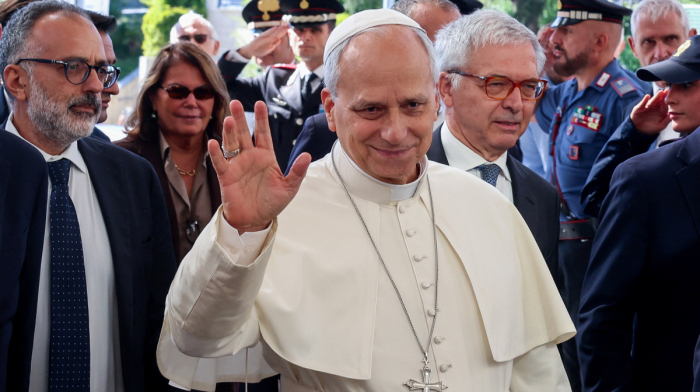
Pope Leo has been diagnosed with lung cancer after surgeons removed part of his right lung, the Vatican said on Tuesday, in the first major health ...

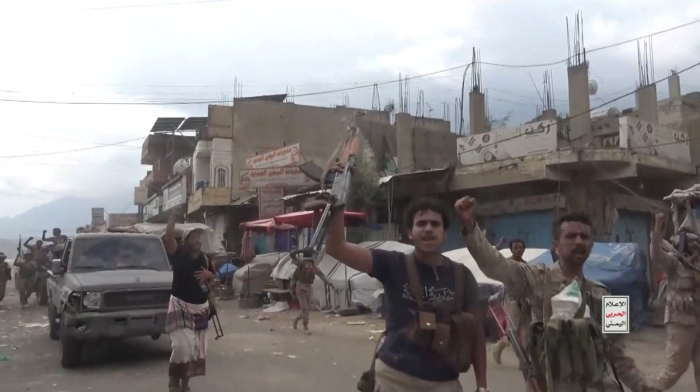
One person was killed and nearly a dozen hurt in a fresh attack on Riyadh's international airport on Sunday, Saudi authorities reported, a day after a strike claimed by Yemen's Houthis killed 13 people and wounded more than 300.

The Saudi-led coalition in Yemen said late Monday that it intercepted and destroyed two ballistic missiles launched by the Houthi group toward Khamis Mushait in southwestern Saudi Arabia.

The Houthi movement has escalated their attacks on Saudi Arabia, targeting the airport in Riyadh and other cities, killing more than a dozen people.
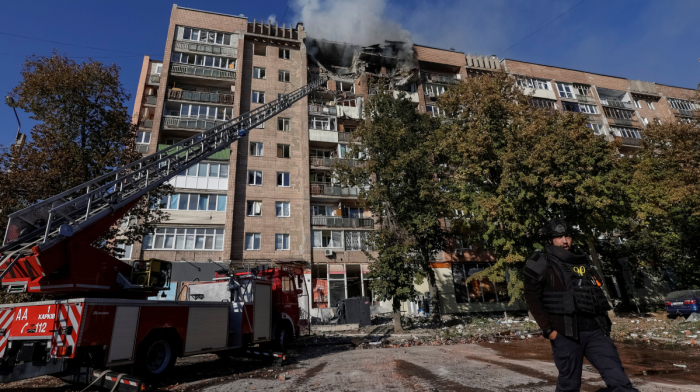
The Kremlin on Monday rejected a 60-day ceasefire idea proposed by Ukrainian President Volodymyr Zelenskyy to allow his country to hold presidential elections, saying it wanted an overall peace deal instead.
Ukrainian President Volodymyr Zelenskyy says Russia hit at least six energy targets in deadly strikes across Ukraine, showing Moscow is unwilling to accept the energy ceasefire announced by U.S. President Donald Trump.
Pope Leo has been diagnosed with lung cancer after surgeons removed part of his right lung, the Vatican said on Tuesday, in the first major health setback of his pontificate.
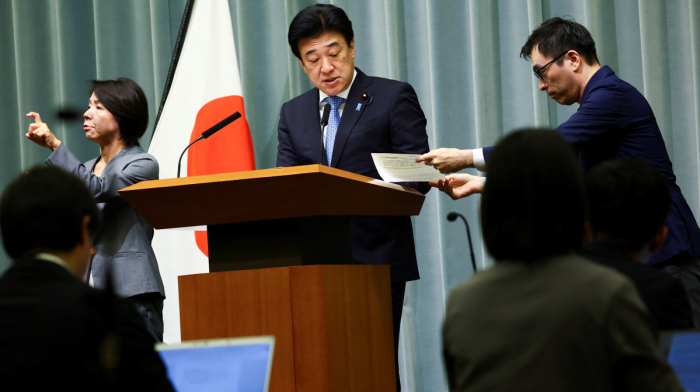
Russia’s Federal Security Service (FSB) has detained a Japanese journalist on suspicion of espionage, as relations between Moscow and Tokyo remain strained over Russia’s war in Ukraine.
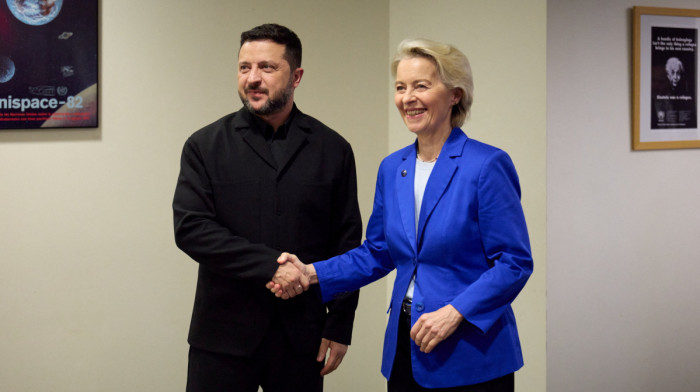
The European Union has opened accession negotiations with Ukraine on two major policy clusters, marking another step in Kyiv's long-term effort to join the bloc.
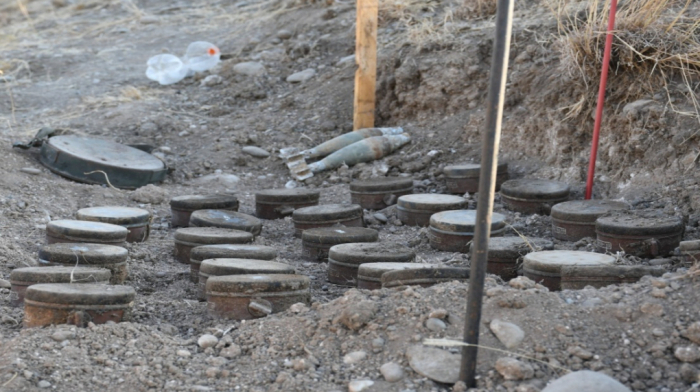
As leaders arrive in Baku for the Conference on Interaction and Confidence Building Measures in Asia (CICA), one issue linked Azerbaijan with guests from Southeast Asia more than trade, diplomacy or regional politics: the long and costly legacy of landmines and unexploded ordnance.
Ukrainian President Volodymyr Zelenskyy says Russia hit at least six energy targets in deadly strikes across Ukraine, showing Moscow is unwilling to accept the energy ceasefire announced by U.S. President Donald Trump.
You can download the AnewZ application from Play Store and the App Store.




What is your opinion on this topic?
Leave the first comment