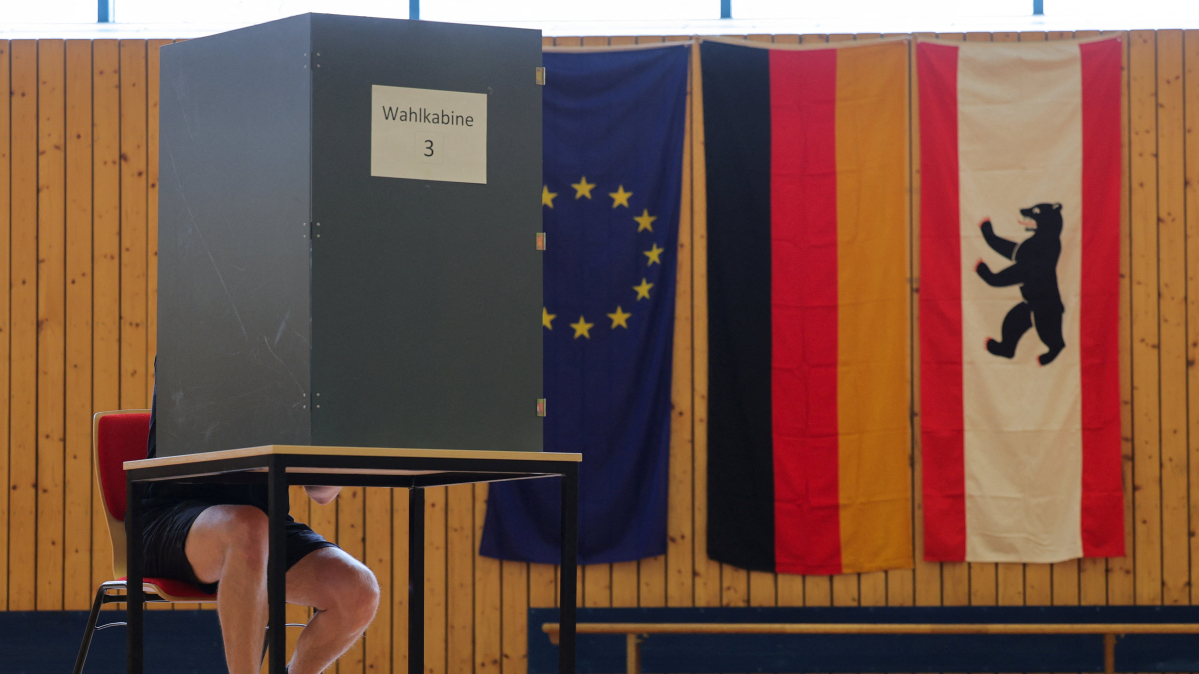
German voters cast ballots on Sunday in two state elections that could add to the political pressure on Chancellor Friedrich Merz, as his government faces growing public frustration and a resurgent far right.
Voters in Mecklenburg-Western Pomerania, a largely rural state in eastern Germany, and the capital Berlin went to the polls in elections being closely watched beyond their borders. The votes come just two weeks after the far-right Alternative for Germany (AfD) recorded a major breakthrough in Saxony-Anhalt.
The AfD's rise has increasingly become a national issue. It has moved from the margins of German politics to a position of significant influence, while the country's mainstream parties continue to reject coalition agreements with it.
Pressure mounts on Merz
Merz came to office promising to revive Germany's sluggish economy and push through reforms. But his government has struggled to win public support, with voters increasingly focused on high living costs, energy prices and housing.
The latest state elections have therefore become another test of confidence in his leadership.
Senior figures in Merz's Christian Democratic Union (CDU) have continued to back him, despite growing discontent within the party. Replacing a sitting chancellor would also be politically and constitutionally difficult.
In Mecklenburg-Western Pomerania, however, the CDU faces the prospect of one of its weakest results. A Forschungsgruppe Wahlen poll published on 17 September put the party at 6 per cent, close to Germany's 5 per cent threshold for entering the state parliament.
Merz has sought to respond to voters' concerns. On Friday, he presented a package of measures including tax cuts on petrol and diesel.
But the cost-of-living squeeze remains a major concern for voters.
“Here in Schwerin, with these wages, you can hardly afford anything anymore,” voter Carlotta Heick told Reuters in the state capital.
Another voter criticised spending on foreign aid. “We need our money here, for our country, for children and pensioners.”
AfD gains reshape regional politics
The AfD has made its strongest gains in eastern Germany, where economic frustration and concerns over immigration have helped fuel its support.
The party wants tougher action on deporting foreigners without the right to remain in Germany. It also supports restoring energy ties with Russia and leaving the euro.
In Mecklenburg-Western Pomerania, the contest had tightened in the final weeks of campaigning. A 17 September Forschungsgruppe Wahlen poll put the centre-left Social Democrats (SPD) on 37 per cent, narrowly ahead of the AfD on 36 per cent. The Left Party was on 9 per cent, while the Greens stood at 5 per cent.
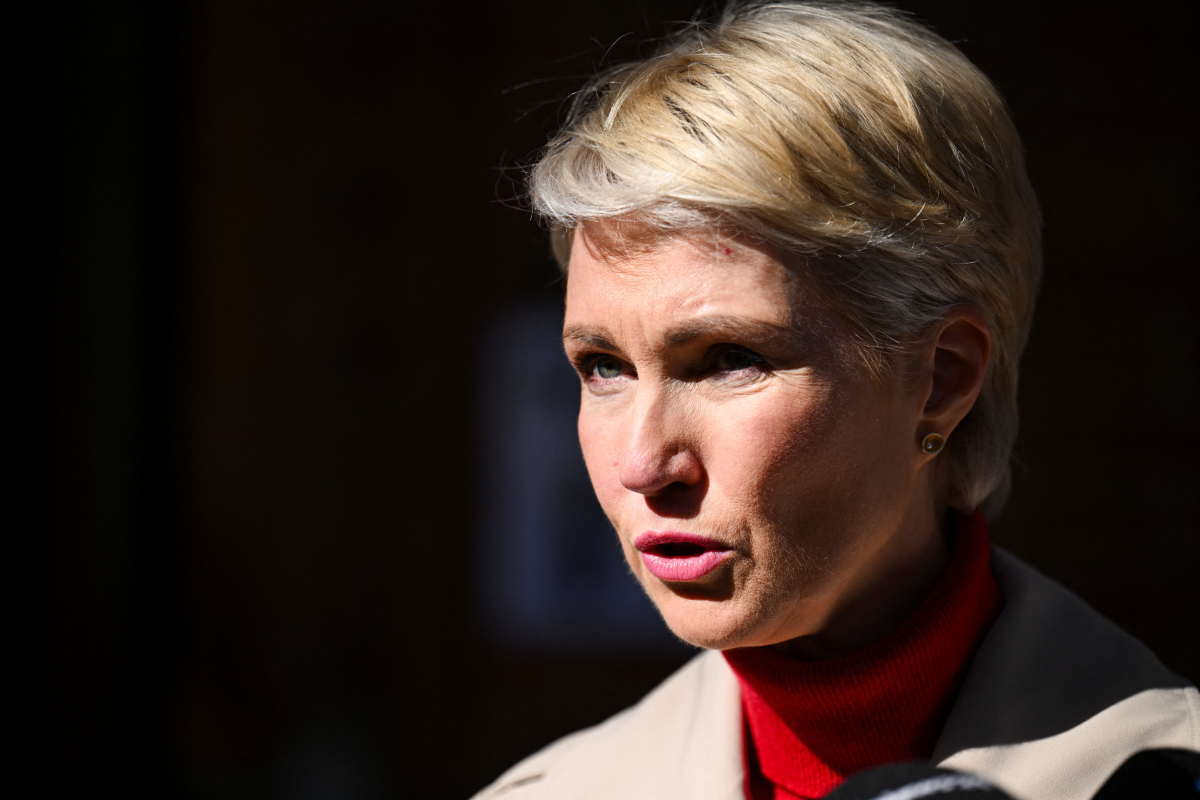
State premier Manuela Schwesig has been central to the SPD campaign. Her popularity has helped the party hold its ground against the AfD.
At her final campaign rally, Schwesig warned of “dark clouds” and described the AfD as a dangerous party.
AfD co-leader Alice Weidel, meanwhile, used the final rally to attack Merz.
“From next week, the chancellor's tone will become very quiet,” she told supporters, arguing that the election could increase pressure on him.
Berlin presents a different picture
The political landscape is different in Berlin, where the Left Party and the CDU were competing closely for first place.
The latest Forschungsgruppe Wahlen poll put the Left Party on 22 per cent, followed by the CDU on 20 per cent. The AfD stood at 18 per cent, the Greens at 15 per cent and the SPD at 12 per cent.
The figures point to a fragmented state parliament and potentially difficult coalition negotiations.
The AfD's support in the capital has also grown sharply compared with the previous state election. It won 9.1 per cent in 2023, according to Forschungsgruppe Wahlen, compared with 18 per cent in the latest poll.
That rise has added to concerns among Germany's established parties about how long their strategy of keeping the AfD outside government can remain effective.
Why the elections matter nationally
Regional elections do not normally determine the fate of a German chancellor. But the political significance is greater this time because of the AfD's rapid rise and the growing dissatisfaction with Merz's government.
The party's strong performance in Saxony-Anhalt earlier this month sent a warning to Germany's mainstream parties and demonstrated the scale of its support in parts of the east.
The two elections on Sunday will not decide who governs Germany nationally. But they could provide another indication of how voters are responding to Merz's government, the state of the economy and the growing influence of the AfD.
With the next federal election not due until 2029, the immediate question is how Germany's established parties respond to a political landscape that is becoming increasingly difficult to manage.
Read more:



















What is your opinion on this topic?
Leave the first comment