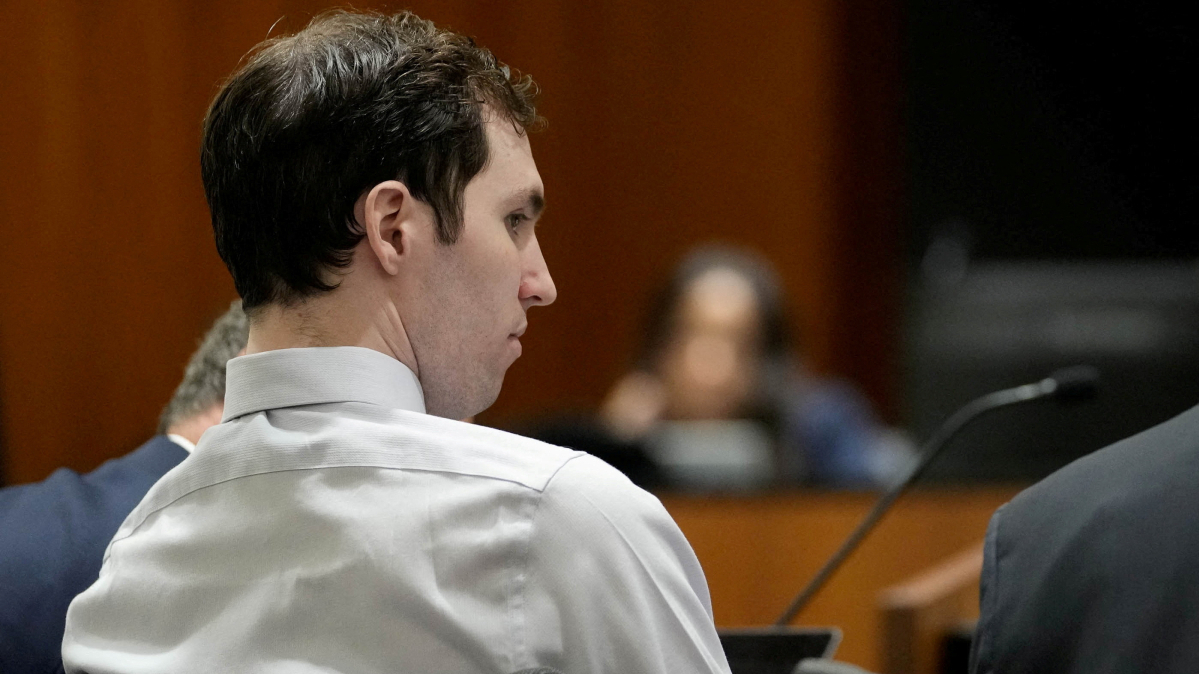
Tyler Robinson, the man accused of killing U.S. conservative activist Charlie Kirk, pleaded not guilty on Tuesday after a Utah judge ruled that prosecutors had presented enough evidence for the case to proceed as a capital murder trial.
The decision brings the case closer to trial nearly a year after Kirk was shot dead at Utah Valley University in Orem on 10 September 2025. If convicted of aggravated murder, Robinson could face the death penalty.
During the hearing in Provo, prosecutors described their case against Robinson, 23, as “overwhelming”.
Utah County prosecutor Ryan McBride showed the court images that he said placed Robinson on a rooftop overlooking the event, where Kirk was speaking to a crowd of more than 3,000 people.
McBride said Robinson took up a prone position, aimed at Kirk and fired a single shot. He argued that the presence of Kirk’s security team and the large crowd meant the shooting created a serious risk to others.
“He lay down in a prone position, and he would have seen this mass of people, of 3,000-plus people there for the event, took aim, put his crosshairs on Charlie Kirk and fired,” McBride told the court.
Prosecutors also pointed to the four rounds in Robinson’s rifle, arguing that he was prepared to fire again had the first shot missed.
Defence challenges death penalty
Robinson’s lawyers argued that the shooting did not meet the legal threshold for a death sentence.
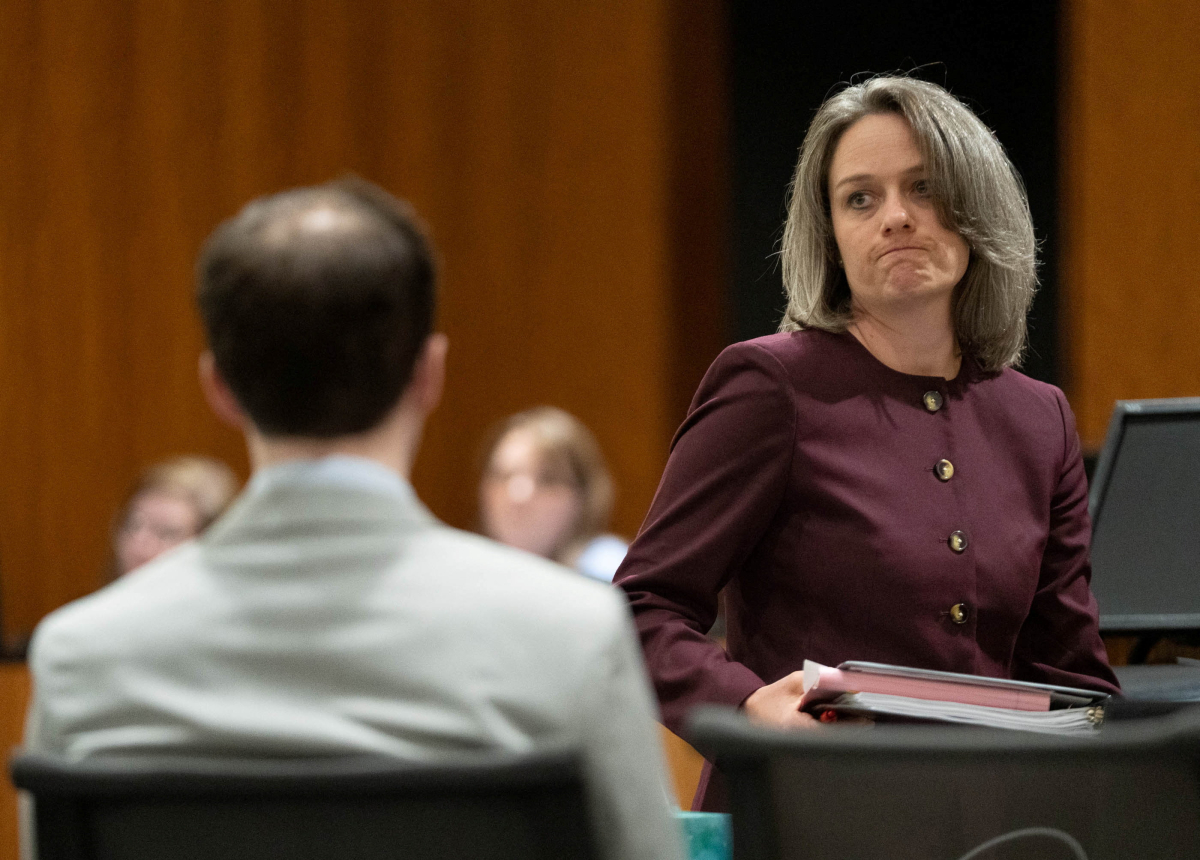
Defence lawyer Staci Visser said Kirk was the only person deliberately targeted and that Robinson did not reload or threaten anyone else after the shooting.
“There is one act. There is one shot. There is one bullet. There is one victim,” Visser told the court.
Prosecutors, however, allege Robinson targeted Kirk because of his political views, including his opposition to same-sex marriage and transgender rights.
McBride cited an alleged message Robinson sent to his partner, Lance Twiggs, saying he had shot Kirk because “some hate can't be negotiated out”.
Defence lawyer Richard Novak disputed the interpretation, pointing to Kirk’s own controversial comments about people who were not heterosexual or who did not identify with traditional gender roles.
Kirk family seeks justice
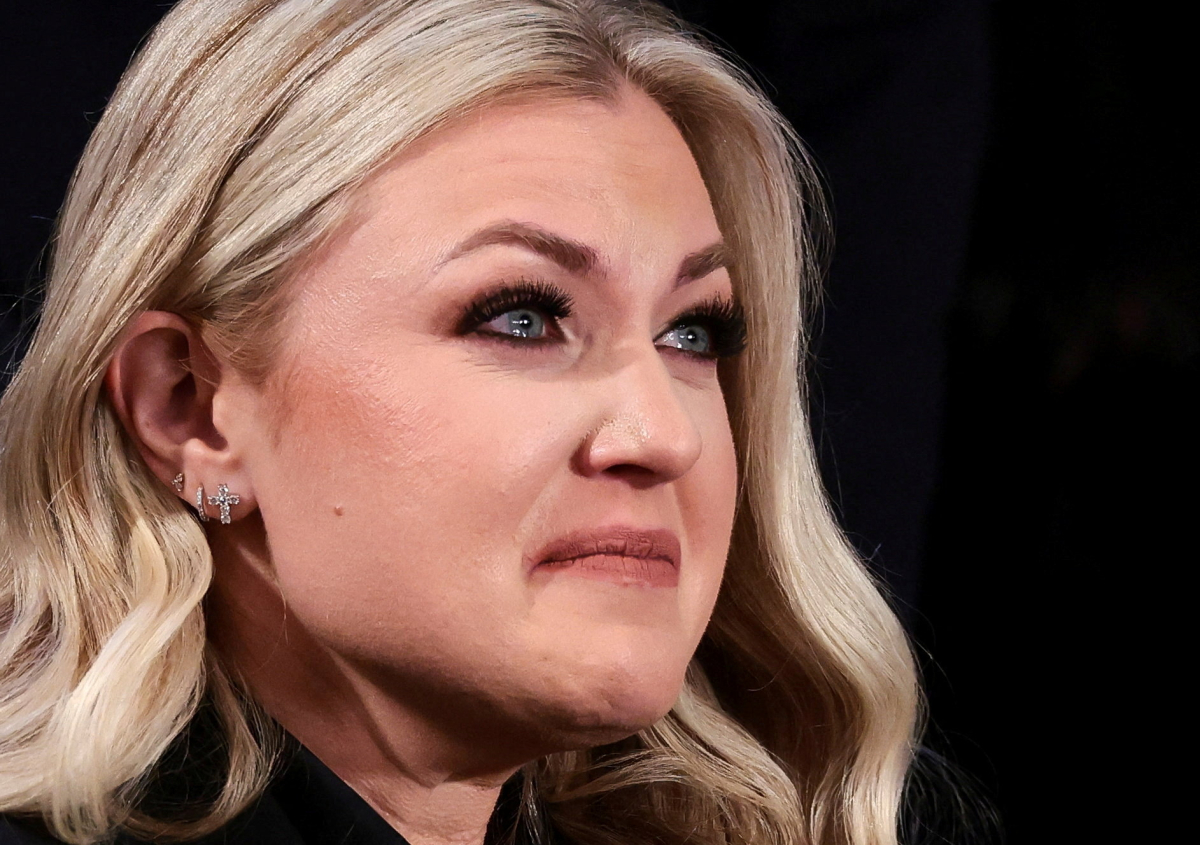
Kirk’s parents, Robert and Kathryn, and his wife, Erika, were among those in court.
Erika Kirk has since taken a leadership role in Turning Point USA, the conservative youth organisation co-founded by her husband.
In a statement after the hearing, the Kirk family said the ruling was an important step towards justice.
“Today’s decision, which comes nearly a year since Charlie was taken from us, marks an important step in our family’s pursuit of justice for him,” they said.
Judge Tony Graf scheduled a further hearing for 23 October to discuss the timetable for the trial.
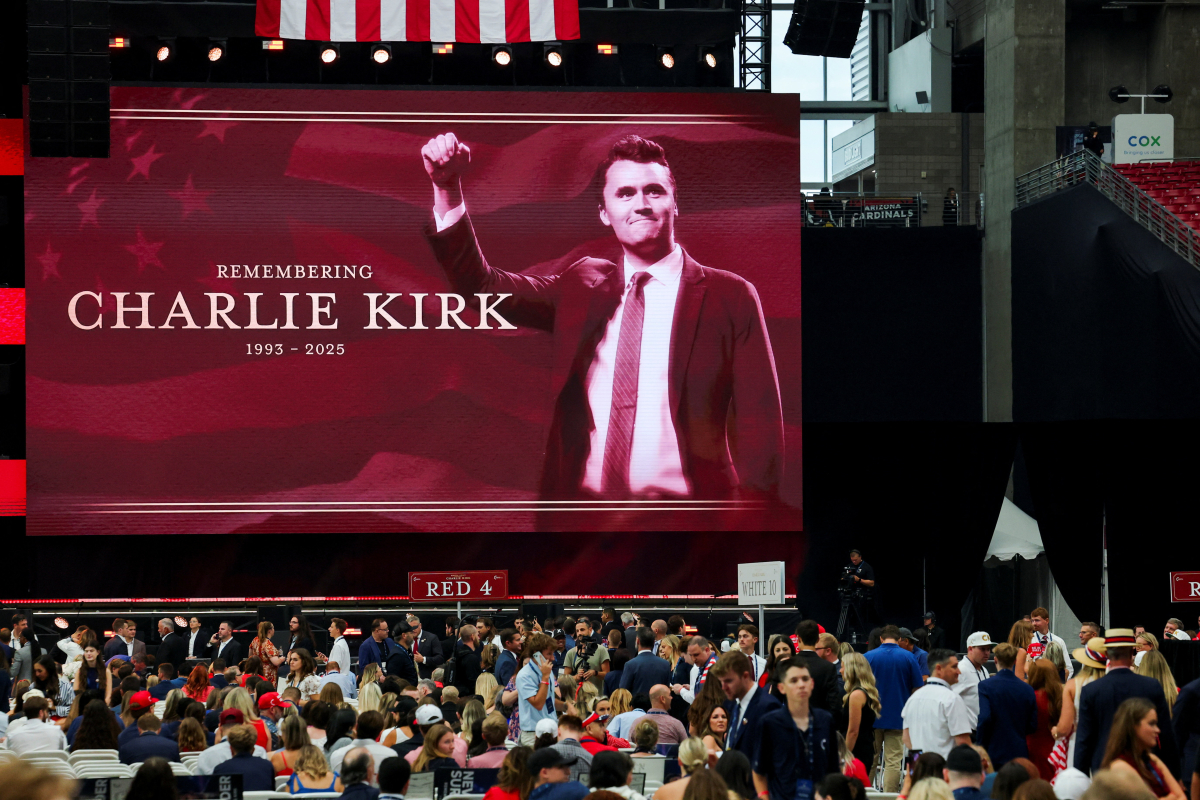
Kirk, 31, became one of the most recognisable figures in the U.S. conservative movement and played a prominent role in mobilising young voters for Donald Trump’s successful 2024 presidential campaign.
His death, captured on mobile phone video and widely shared online, shocked the country and renewed concerns about political violence in an increasingly polarised United States.
Legal experts expect the case to proceed to trial rather than end in a plea agreement.
Seth Zuckerman, a former New York City prosecutor and criminal defence lawyer, said prosecutors may be reluctant to remove the death penalty from consideration.
“Prosecutors may not be willing to take the death penalty off the table, and that would probably require a trial,” he said.
Read more about U.S. trials:

















What is your opinion on this topic?
Leave the first comment