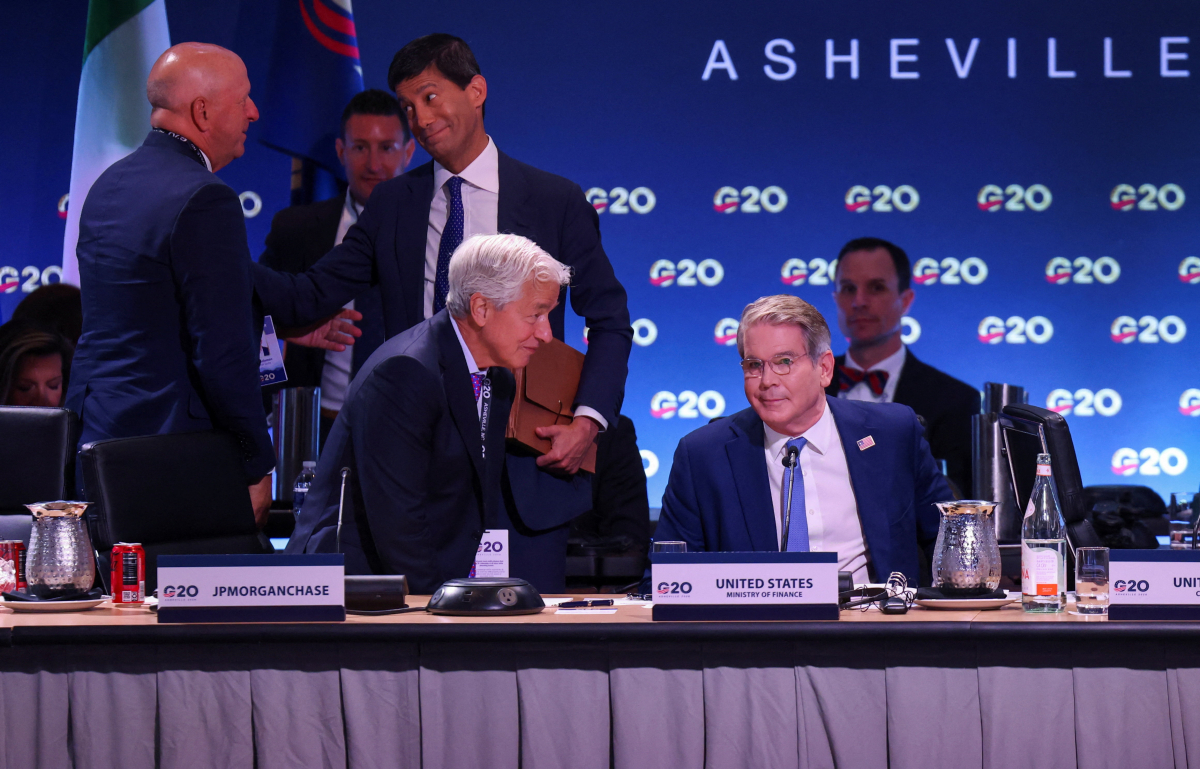
A gathering of G20 finance ministers and central bank governors in Asheville, North Carolina, was dominated by sharp disagreements over Russia's presence, as the world's leading economies face mounting geopolitical and economic pressures.
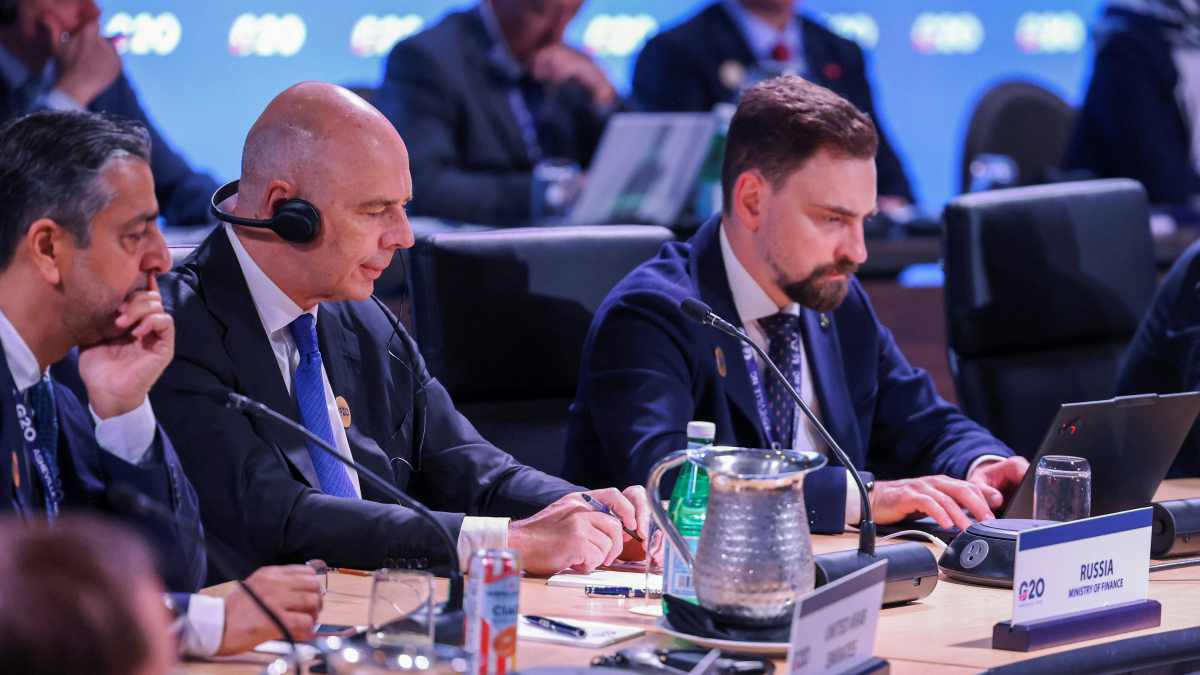
Russian Finance Minister Anton Siluanov attended the meeting alongside representatives of Russia's central bank, marking a notable return to a forum from which Moscow had largely been absent in recent years. His participation drew criticism from several European officials, who argued that Russia's continued war in Ukraine made any appearance of normal relations unacceptable.
Germany's Finance Minister Lars Klingbeil was among the most vocal critics, saying there could be no return to business as usual while the conflict continued.
"People are dying every day," Klingbeil told reporters, arguing that Russia's participation risked creating an impression of normalisation at a time when Europe is preparing further sanctions against Moscow.
European ministers and central bank officials reportedly objected to appearing alongside the Russian delegation in the traditional group photograph that accompanies major international gatherings. The issue was ultimately resolved by taking the official photograph without Siluanov.
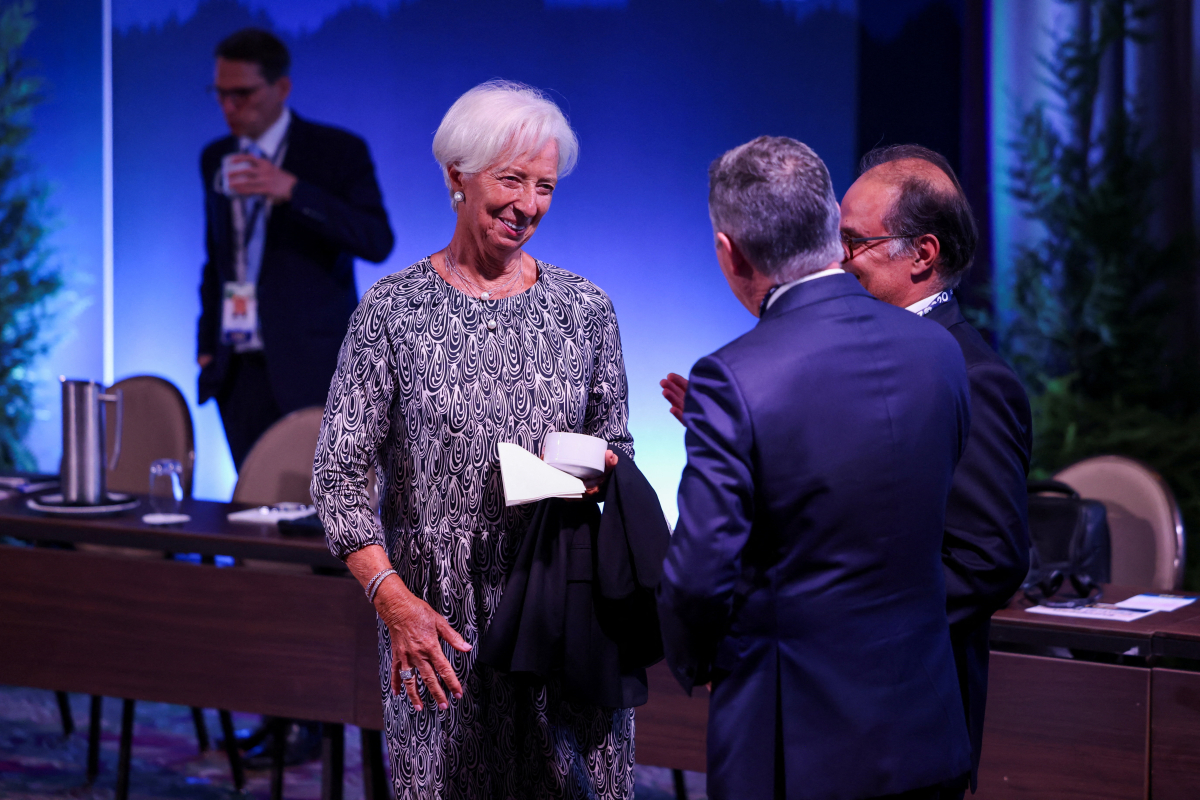
Klingbeil said European representatives, including European Central Bank President Christine Lagarde and British Defence Secretary John Healey, had discussed the matter before the summit opened.
While acknowledging the importance of maintaining channels of communication, European officials stressed that dialogue should not be mistaken for acceptance of Russia's actions.
The controversy highlighted the increasingly delicate role facing the United States as host of this year's meeting. Washington's decision to include Russia on the guest list contrasted with the absence of some other countries, including South Africa, which hosted the previous G20 summit, and Spain, which has recently faced trade tensions with the administration of President Donald Trump.
U.S. and Russia hold talks on the sidelines
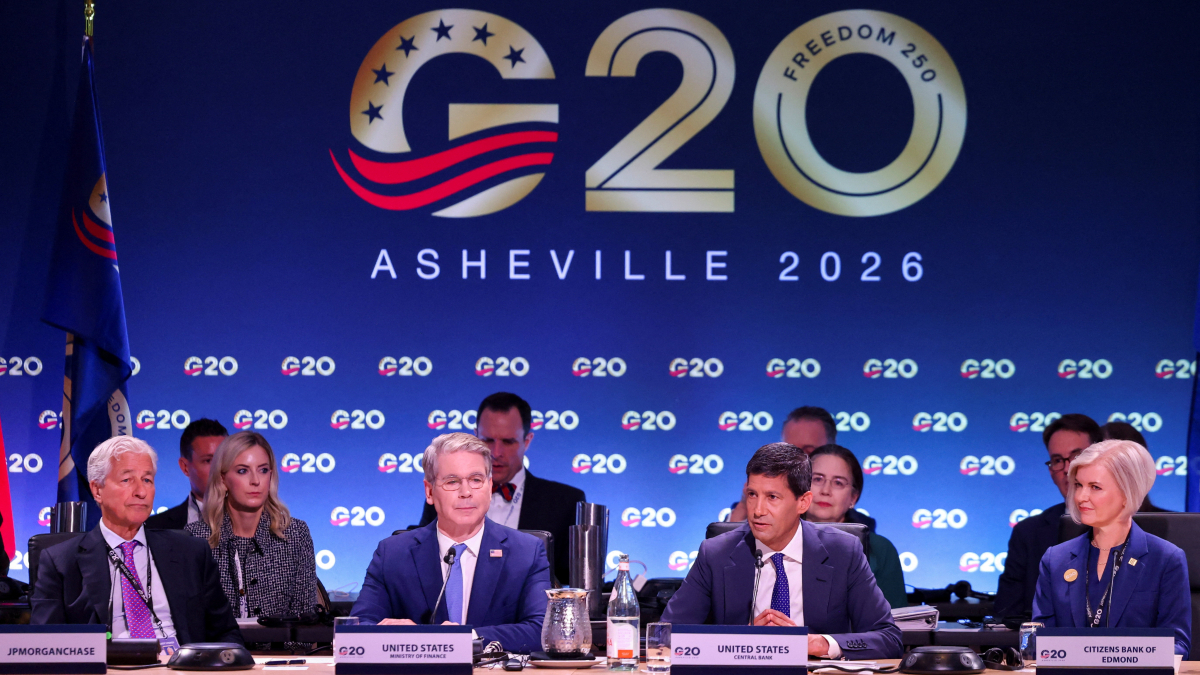
Despite European concerns, Siluanov held direct discussions with U.S. Treasury Secretary Scott Bessent on the margins of the meeting.
According to Russia's finance ministry, the talks focused on financial cooperation and interaction within the G20 framework.
Few details were released, but the meeting attracted attention because direct engagement between senior U.S. and Russian economic officials has become increasingly rare since relations deteriorated following Russia's invasion of Ukraine.
The development reinforced concerns among some European governments that Moscow could seek greater engagement with Western capitals despite ongoing sanctions and political isolation.
Growth takes centre stage amid record global debt
Beyond geopolitical tensions, economic challenges dominated formal discussions.
U.S. officials used the summit to argue that stronger economic growth is the most effective response to escalating debt burdens that have accumulated since the global financial crisis and the COVID-19 pandemic.
Global debt has climbed to record levels, increasing concerns among policymakers about long-term financial stability and the capacity of governments to respond to future economic shocks.
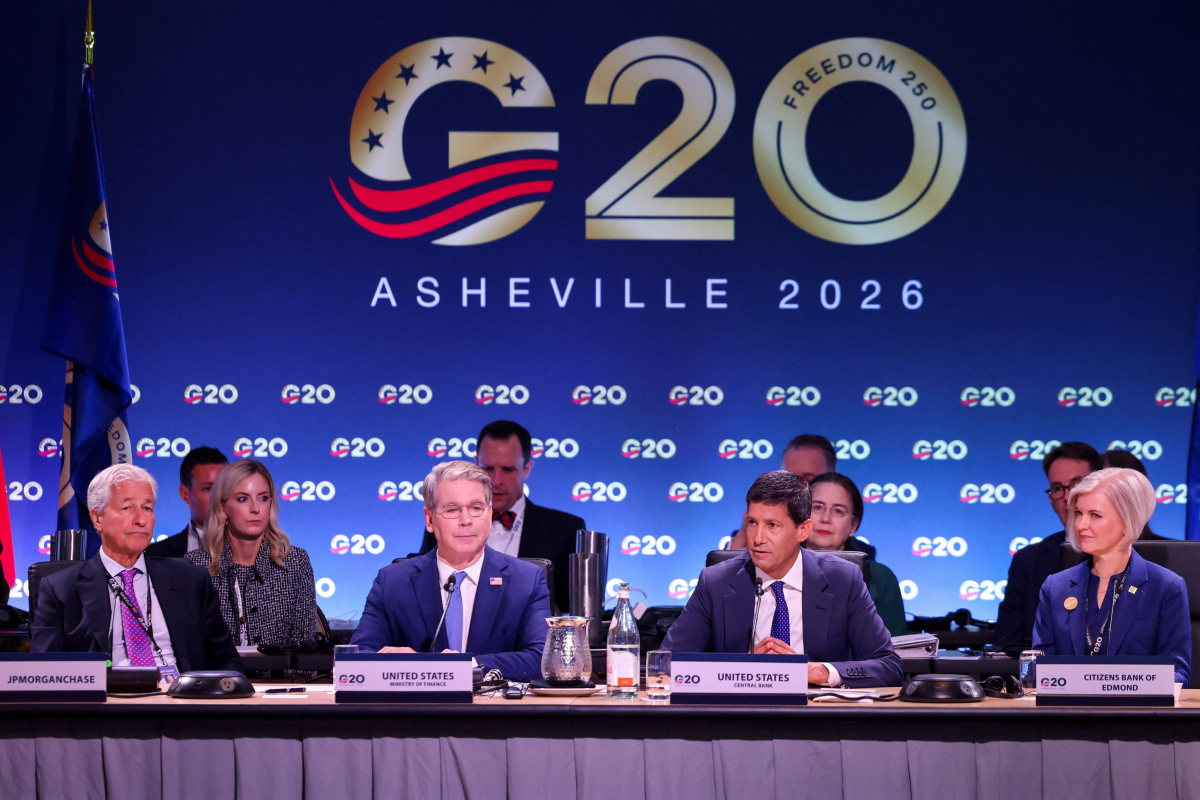
Opening the meeting, Bessent said economic expansion, rather than austerity alone, would be essential to addressing the debt challenge.
He argued that many countries were being held back by excessive regulation, fragmented markets, inadequate investment and labour market inefficiencies.
The U.S. Treasury has sought to position growth as the central theme of this year's G20 discussions, emphasising private-sector investment, deregulation and energy production as key drivers of economic performance.
Federal Reserve chief points to global investment boom
In one of the meeting's most closely watched interventions, U.S. Federal Reserve Chairman Kevin Warsh suggested the world economy had entered a new phase characterised by strong investment rather than excess savings.
Warsh said previous G20 meetings were often dominated by concerns about a "global savings glut", where large pools of capital struggled to find productive opportunities.
That situation, he argued, has now reversed.
Pointing to major investments in artificial intelligence, digital infrastructure and industrial capacity, Warsh described current conditions as a global investment surge that is helping to support growth across many economies.
The remarks reflected broader optimism among U.S. officials that technological advances, particularly in AI, could provide a significant boost to productivity and long-term economic expansion.
China, trade imbalances and tariffs remain key concerns
Trade tensions also featured prominently in discussions.
Washington continues to press other G20 members to address what it sees as major global imbalances linked to China's export-led growth model.
Bessent argued that China's large trade surplus remains unsustainable and urged Beijing to rely more heavily on domestic consumption rather than overseas demand.
The issue remains a central point of friction between the world's two largest economies, particularly as governments debate the implications of industrial subsidies, supply-chain security and manufacturing competitiveness.
Although Bessent described a meeting with Chinese central bank governor Pan Gongsheng as productive, he declined to provide details of their discussions.
Energy security and Iran add to uncertainty
The summit is also taking place against the backdrop of growing instability in global energy markets.
The conflict involving Iran and the disruption of shipping through the Strait of Hormuz have increased concerns about supply security and higher energy prices.
U.S. officials have been encouraging G20 countries to take a tougher stance on Tehran and have argued that greater international cooperation is needed to stabilise energy markets.
The issue has added another layer of complexity to an already crowded agenda that includes debt sustainability, inflation, trade disputes and technological transformation.
Alongside the headline disputes, finance ministers used the gathering for a series of bilateral meetings.
Bessent confirmed discussions with Canadian officials after trade negotiations between Washington and Ottawa broke down, triggering plans for new tariffs and counter-tariffs.
He also suggested that policy decisions by the Japanese government and the Bank of Japan could support a stronger yen in the future, comments that attracted attention in currency markets.
Such side meetings remain a crucial part of the G20 process, allowing governments to address bilateral concerns while participating in broader multilateral discussions.
While the meeting has focused on economic growth and financial stability, Russia's participation underscored the political divisions that continue to shape international diplomacy.
The world's largest economies may share concerns about debt, trade and energy security, but disagreements over Ukraine, sanctions and engagement with Moscow remain far from resolved.
Read More:

















What is your opinion on this topic?
Leave the first comment