The United Nations refugee agency is planning further reductions to its workforce and budget in 2027 as it adapts to severe funding pressures, even as global displacement is forecast to reach a record high.
According to diplomats and budget documents seen by Reuters, the UN Refugee Agency (UNHCR) has reduced its planned 2027 budget by 16 per cent and lowered its official headcount by around 3,500 posts.
On paper, the changes would leave the agency with almost half as many budgeted posts as in 2025 and a budget roughly one-third smaller.
Workforce falls sharply from 2025 levels
UNHCR had 16,126 budgeted posts in 2025, compared with 12,051 in 2026 and 8,540 planned for 2027, excluding temporary positions and contractors, the documents showed.
UNHCR officials presented the proposed reductions to member states at a meeting in Geneva on Thursday, according to three diplomats who attended.
However, an agency spokesperson said the figures did not mean cuts of that scale would necessarily be implemented in practice, as many positions included in previous budgets had never been filled.
The spokesperson said earlier budgets reflected operational needs and funding targets rather than the amount of money ultimately received from donors.
‘Budget constraints are real’
UNHCR said its income projections for 2027 were broadly comparable with those for 2026.
“The organisation experienced a significant funding shortfall in 2025 and as a consequence was already compelled to undertake substantial workforce reductions,” a spokesperson said.
The agency also plans to reform what it described as “unjustified” employment policies affecting up to 1,000 staff who had previously been able to remain employed for extended periods between assignments.
“The budget constraints are real, but we are also moving forward with a comprehensive reform agenda to make UNHCR more agile, cost-effective and accountable,” the spokesperson said.
Agency to prioritise emergency assistance
UNHCR has already been heavily affected by reductions in donor funding.
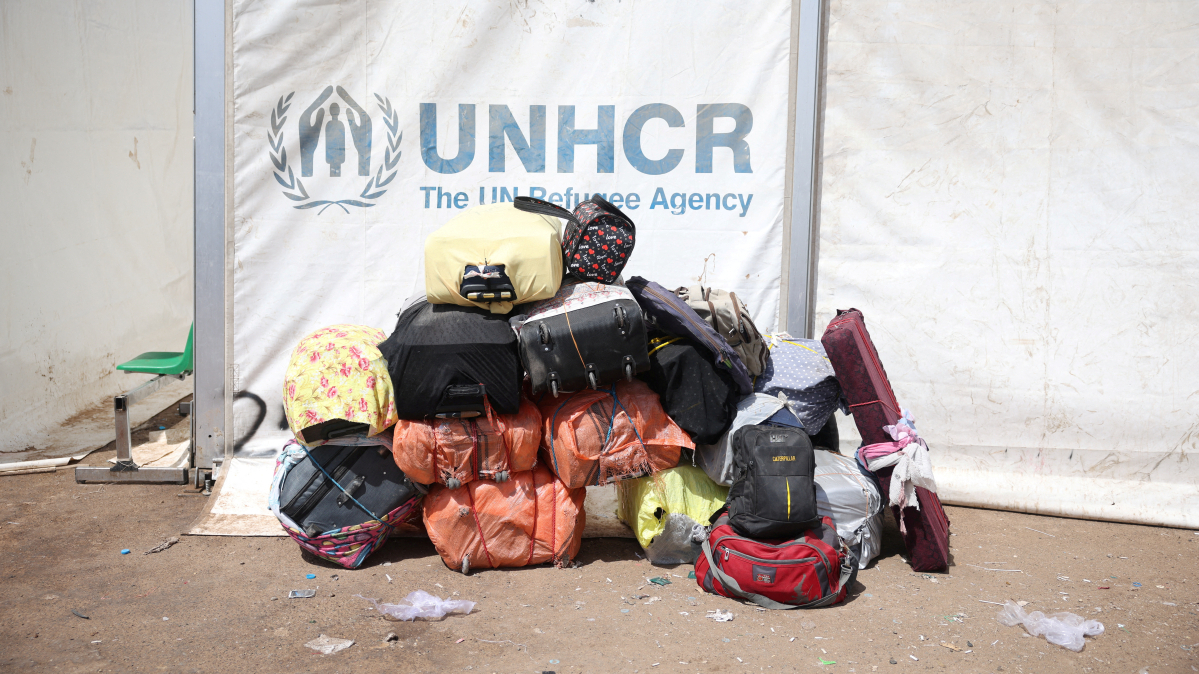
The agency has cut assistance to refugees, eliminated thousands of jobs, closed an office covering Southern Africa and is moving from its Geneva headquarters to a cheaper building in the city in an effort to reduce costs.
Founded after the Second World War to assist people fleeing conflict, persecution and violence, UNHCR relies almost entirely on voluntary contributions.
Much of that funding is earmarked by donors for specific programmes, a system that critics increasingly regard as a structural weakness.
Under its 2027 plans, the agency said it would prioritise emergency assistance, refugee protection, voluntary returns and measures aimed at helping displaced people become more self-reliant.
Americas face largest regional cuts
UNHCR’s proposed budget for 2027 stands at $7.14 billion, down 16 per cent from 2026 and its lowest level in at least a decade.
The agency’s budget stood at $10.6 billion in 2025.
However, UNHCR budgets are generally regarded as funding targets and are rarely, if ever, fully financed.
The United States was the agency’s biggest donor in 2025, providing more than $800 million, almost a quarter of the $3.6 billion in total contributions received that year.
U.S. funding has fallen to around $110 million in 2026.
Budgets are expected to decline across all regions, with the Americas facing the largest reduction. Funding there is due to fall by almost one-third to $485 million.
The Asia-Pacific region is set to see a 22 per cent reduction, while West and Central Africa faces a 21 per cent cut.
Around 1.2 million Rohingya refugees in Bangladesh are already facing worsening conditions, while countries in West and Central Africa continue to host millions of people displaced by Sudan’s civil war.
Displacement expected to hit record high
The proposed reductions come as UNHCR forecasts the number of displaced people worldwide will rise to a record 131.2 million in 2027, up from 129.4 million in 2026.
Diplomats said continuing conflicts, including the wars in Ukraine and Sudan, were among the main drivers of displacement.
Several countries raised concerns at the Geneva meeting about the effect of the cuts on refugees and on major host countries such as Uganda and Bangladesh, which may be forced to shoulder a greater financial burden.
“Everyone is fed up. But unravelling what is left of the system is even worse,” one diplomat said.
Others, however, welcomed UNHCR’s efforts to streamline its operations in an increasingly difficult financial environment.
Budget still requires approval
The 2027 budget remains preliminary and is expected to be submitted for approval by UNHCR’s Executive Committee in October.
The latest scale-back also comes as the Trump administration reassesses its relationship with the agency.
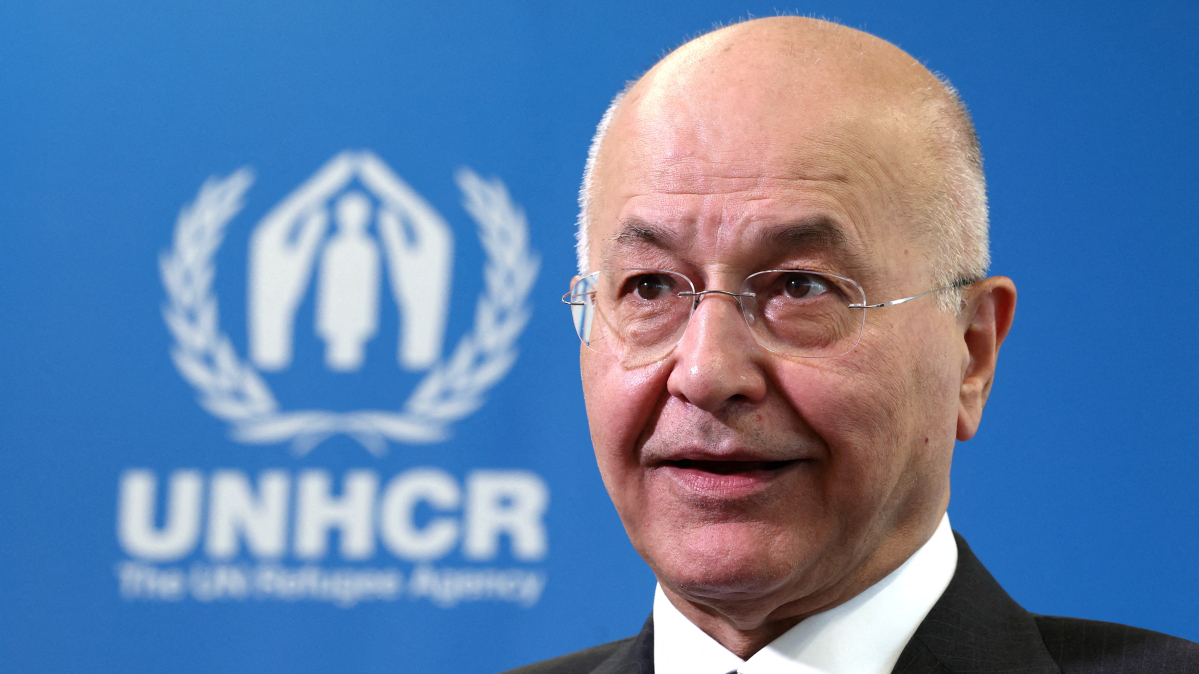
UN High Commissioner for Refugees Barham Salih has expressed hope that cooperation with Washington will continue, while U.S. officials have also encouraged other governments to support efforts to restrict asylum protections.
Read more:




















What is your opinion on this topic?
Leave the first comment