Iran is setting conditions for reopening the Strait of Hormuz, including an end to the war, the lifting of the U.S. blockade and sanctions. At the same time, Washington is stepping up economic pressure on Tehran through what the White House calls “Operation Economic Outcast.”
This concludes AnewZ’s live coverage of the latest developments across the Middle East for today.
Thank you for following. Stay with AnewZ for the latest breaking news, analysis and live coverage as events continue to unfold.
⦿ 23:19 GMT | UPDATE
Iran will ‘never forget or forgive’ deadly Minab school strike, Araghchi says
Reuters
Iranian Foreign Minister Abbas Araghchi said Tehran would “never forget or forgive” the deadly strike on a school in Minab, vowing to continue pursuing accountability.
The February 28 strike on Shajareh Tayyebeh elementary school killed more than 150 people, most of them children. Iran blamed the U.S., while a preliminary U.S. military investigation found that an American Tomahawk missile struck the school due to a targeting error.
Iran seeks stronger ties with Muslim countries, Araghchi says
Anadolu
Iranian Foreign Minister Abbas Araghchi said Tehran wants stronger political and economic relations with Muslim countries, particularly its neighbours, as it seeks to deepen regional cooperation.
Araghchi said Iran was ready to restore relations with Egypt and develop ties with Lebanon’s government, despite disagreements with some of Beirut’s policies.
Addressing regional tensions, he said Iran would target U.S. military bases, facilities or forces in the region during wartime if Washington attacked Tehran, while insisting Iran did not consider its neighbouring countries themselves to be targets.
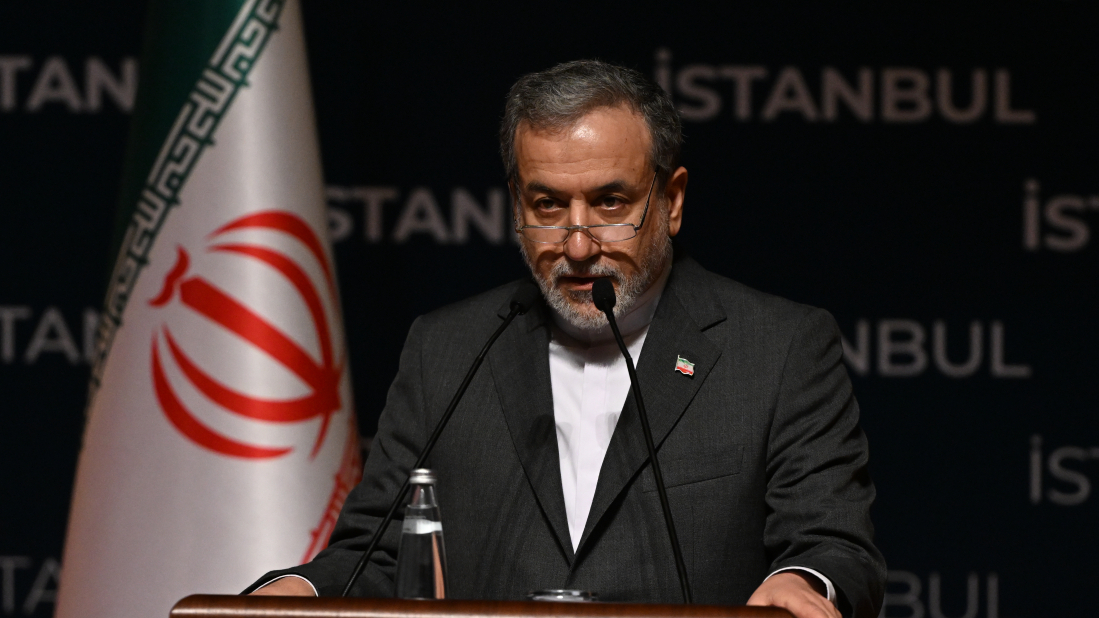
File photo: Iranian Foreign Minister Abbas Araghchi
Anadolu Agency
⦿ 22:37 GMT | UPDATE
Iran’s IRGC rejects U.S. claims that Strait of Hormuz is open
Anadolu
Iran’s Revolutionary Guard Navy has rejected U.S. claims that the Strait of Hormuz is open, calling them “lies” aimed at manipulating oil prices and concealing Washington’s failures.
The IRGC said the waterway remains closed to vessels attempting to transit without coordination with Tehran and linked its reopening to an end to U.S. military actions and the fulfilment of Iran’s conditions.
The statement contradicts U.S. claims that internationally recognised shipping lanes are open after American forces cleared sea mines from the waterway.
⦿ 22:08 GMT | UPDATE
Three Palestinians killed in Israeli drone strike in Jenin
Reuters, Anadolu
Three Palestinians were killed in an Israeli drone strike on a partially built home in Jenin in the West Bank, according to the Palestinian Health Ministry.
The ministry identified those killed as Qais Bitawi, 22, Basel Turkman, 26, and Moamen Jaradat, 22, and said Israeli forces had taken custody of their bodies.
The Israeli military confirmed killing three Palestinians in the strike and alleged that Bitawi was a Hamas member.
Hezbollah leader Naim Qassem has called for Arab and Islamic unity over Palestine, saying the Palestinian cause extends beyond sectarian divisions, according to extracts of a speech posted on the group’s Telegram channel.
Qassem urged Arab and Islamic countries not to “stand idly by” as Palestinians suffer and called for a united regional response.
More than 1,300 Palestinians have been killed in Israeli attacks in Gaza since a U.S.-brokered ceasefire took effect in October 2025, according to Gaza health officials.
Flags of Hezbollah, Lebanon and Palestine are seen fluttering near the border with Israel in the village of Khiam, Lebanon, 4 December 2018.
Reuters
⦿ 20:48 GMT | UPDATE
Yemeni army targets Houthi ammunition depot in Al-Dhale
Anadolu
Yemen’s army said it carried out a drone strike targeting a Houthi ammunition depot and gathering in the southwestern province of Al-Dhale, according to state news agency Saba.
The strike reportedly hit a position near the southern entrance to Damt. No details on casualties or damage were immediately available, and the Houthis have not commented on the claim.
⦿ 20:34 GMT | UPDATE
IRGC says it has ‘full control’ over Strait of Hormuz
Reuters
Iran’s Revolutionary Guard Navy said it has “full control” over the Strait of Hormuz and that the waterway remains closed to vessels attempting to transit without coordination with Tehran.
The statement reinforces Iran’s position that ships must use Tehran-approved routes and coordinate with Iranian forces before crossing the strategic waterway.
⦿ 19:43 GMT | UPDATE
Iran says it agreed with Oman on Hormuz passage route
Anadolu
Iranian President Masoud Pezeshkian said Tehran has agreed with Oman on a passage route through the Strait of Hormuz and communicated the arrangement to Iran’s supreme leader.
Pezeshkian said Iran would reopen the strait if the U.S. fulfils its commitments under the June Islamabad Memorandum, including lifting sanctions and the blockade, releasing frozen Iranian assets, beginning investment and ending the war in Lebanon.
He said Iran’s Supreme National Security Council overwhelmingly backed the agreement, with 12 of its 13 members voting in favour.
A drone view shows vessels near the Strait of Hormuz, as seen from Musandam, Oman, 28 August 2026.
Reuters
⦿ 19:41 GMT | UPDATE
Iran’s supreme leader calls for reduced reliance on dollar
Anadolu
Iran’s Supreme Leader Mojtaba Khamenei has called for greater reliance on domestic production and a gradual reduction of the dollar’s role in the Iranian economy as the country faces mounting economic pressure.
Khamenei urged the government to tackle inflation, unemployment and rising prices while boosting investment and domestic production, describing it as the key to addressing Iran’s economic problems.
The call comes as the Iranian rial has fallen to a record low of more than 2 million to the U.S. dollar on the free market amid a new wave of U.S. sanctions.
⦿ 19:39 GMT | UPDATE
Pezeshkian says U.S. sanctions and blockade cut Iran’s trade by up to 35 per cent
Reuters
Iranian President Masoud Pezeshkian said the country’s exports and imports have fallen by as much as 35 per cent due to U.S. sanctions and the blockade.
Pezeshkian also said Iran sold around 90 million barrels of oil during the implementation of the interim agreement with Washington.
⦿ 19:05 GMT | UPDATE
Pezeshkian says Iran ready for cooperation with regional countries
Reuters
Iranian President Masoud Pezeshkian said Tehran is ready for cooperation and understanding with countries across the region, including Saudi Arabia and the UAE.
Pezeshkian has called for regional countries to work together on security and deepen economic and political cooperation, arguing that neighbouring states should pursue collective stability rather than security at each other’s expense.
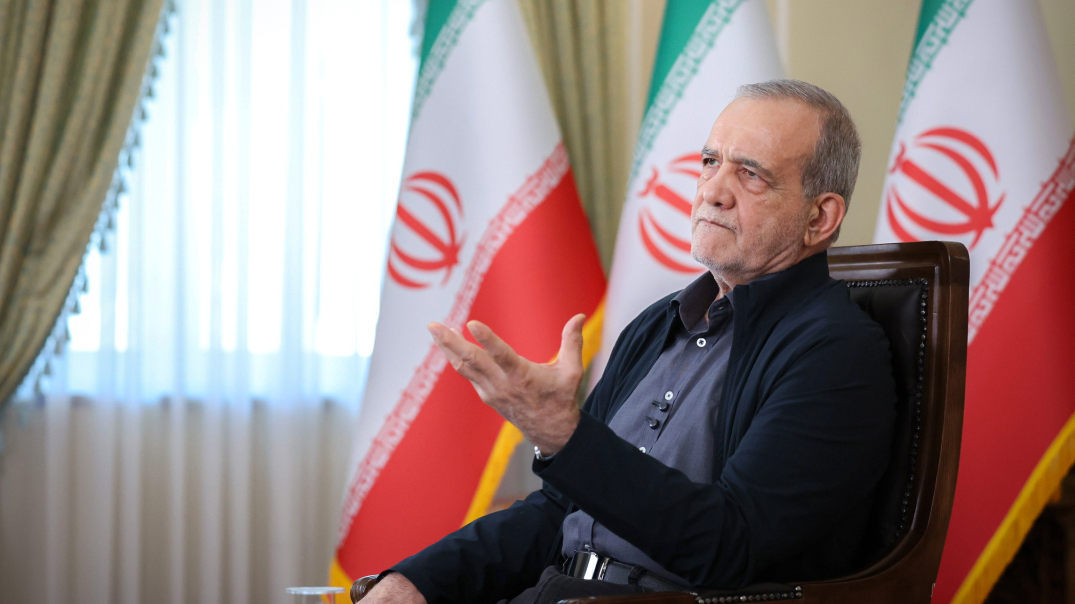
File Image: Iranian President Masoud Pezeshkian, Tehran, Iran, 13 August 2024.
Iranian President's Office
⦿ 17:51 GMT | UPDATE
Khamenei urges government to tackle economic hardship
Reuters
Iran’s Supreme Leader Ayatollah Khamenei has urged the government to address economic hardship facing the population, as the country remains under mounting financial pressure.
The call follows his broader emphasis on protecting social cohesion and avoiding statements that could weaken public morale. Iran’s leadership has repeatedly identified livelihoods and rising prices as key domestic concerns.
⦿ 17:18 GMT | UPDATE
Iran’s supreme leader calls for national unity amid tensions
Reuters
Iran’s Supreme Leader has urged authorities and the public to preserve social cohesion, warning against actions or rhetoric that could deepen divisions in the country.
In a statement, he called for a ban on “anything that harms social cohesion” and urged officials to avoid “discouraging statements that weaken national and public motivation.”
The appeal comes as Iran faces continued military and economic pressure amid its confrontation with the U.S.
A picture of Iran's new supreme leader, Mojtaba Khamenei, is displayed on a screen in Tehran, amid the U.S.-Israeli conflict with Iran, in Tehran, Iran, 9 March 2026.
Reuters
⦿ 16:28 GMT | UPDATE
U.S. expands Iran sanctions targeting financial networks
Anadolu
The U.S. Treasury has imposed sanctions on an Iran-linked individual and a Hong Kong-based company as Washington intensifies efforts to disrupt Tehran’s access to the international financial system.
The measures target Reza Mohammad Taeedi, general manager of Bank Melli’s Dubai branch, and Hong Kong-based Kameng Trading Limited, which the Treasury accuses of helping sanctioned Iranian entities move funds internationally.
Washington also proposed restrictions on Banque Misr’s UAE operations, alleging they processed around $1.8 billion for companies potentially linked to Iranian shadow-banking networks between January 2024 and June 2026.
⦿ 15:00 GMT | UPDATE
Iran rejects alleged plot against Trump’s son as ‘propaganda’
Anadolu
Iran has rejected claims of an alleged plot targeting U.S. President Donald Trump’s son, calling the allegations “fabricated propaganda.” Supreme National Security Council Secretary Mohsen Rezaei accused Israeli Prime Minister Benjamin Netanyahu of using the claim to mislead and pressure Trump.
His comments came after Iran’s state broadcaster aired an AI-generated video showing details about Barron Trump’s residence and movements in New York. The video was widely viewed as a threat against the U.S. president’s youngest son.
Tensions between Tehran and Washington have remained high following U.S. and Israeli strikes on Iran in February and subsequent retaliatory attacks. Efforts to ease the conflict through a U.S.-Iran memorandum mediated by Pakistan and Qatar have faced difficulties, with both sides accusing each other of failing to meet commitments.
⦿ 14:30 GMT | UPDATE
Iran accuses U.S. of ‘economic terrorism’ over new sanctions
Anadolu
Iran has accused the United States of violating international law through its new sanctions campaign, “Operation Economic Outcast.” The Iranian Foreign Ministry described the measures as “economic terrorism” and urged countries not to implement the sanctions.
Tehran said joining the U.S. campaign would amount to supporting pressure on independent states and disrupting legitimate trade relations. The ministry accused Washington of using the dollar as a tool to influence other countries and vowed to use “all capacities” to respond.
The United States launched Operation Economic Outcast on Monday, targeting Iran’s oil, shipping, aviation, gold, technology and digital asset sectors. Washington says the campaign aims to restrict Tehran’s access to the global financial system.
⦿ 13:30 GMT | UPDATE
Thousands of Gaza patients await medical evacuation, WHO says
Anadolu
Thousands of patients in the Gaza Strip are still waiting for urgent medical evacuation, according to the World Health Organization (WHO). WHO Director-General Tedros Adhanom Ghebreyesus said the agency supported the evacuation of 106 patients, including 19 children, from Gaza last week.
The patients were transferred through the Rafah and Kerem Shalom crossings and accompanied by 132 relatives. Since October 2023, more than 13,000 patients and thousands of companions have been evacuated from Gaza for medical treatment abroad.
Tedros called for sustained access through multiple crossings to ensure patients receive timely care. The WHO chief warned that many people in Gaza remain in need of urgent medical assistance amid the ongoing humanitarian crisis.
⦿ 12:30 GMT | UPDATE
China urges dialogue as U.S. pressure on Iran grows
Anadolu
China has reiterated that dialogue and diplomatic negotiations are the only viable way to ease tensions between Washington and Tehran. Foreign Ministry spokesperson Lin Jian said Beijing opposes what it considers illegal unilateral sanctions against Iran.
His comments followed U.S. President Donald Trump’s suggestion that Washington could sanction Chinese banks over their ties with Tehran. The White House said direct talks with Iran remain stalled as the U.S. increases economic pressure under its “Operation Economic Outcast” campaign.
Washington launched the initiative following the U.S.-Iran war that began on 28 February. The tensions come ahead of Chinese President Xi Jinping’s planned reciprocal visit to the United States.
⦿ 11:10 GMT | UPDATE
Iran warns countries against enforcing U.S. sanctions
Iran’s Foreign Ministry has condemned the latest U.S. sanctions campaign, warning that countries enforcing the measures could be complicit in what Tehran described as “state terrorism.”
The ministry said the sanctions violate the UN Charter and represent an extension of the military conflict between the U.S., Israel and Iran.
It also warned that the measures could threaten the health and livelihoods of millions of civilians, accusing the international community of failing to respond adequately.
Iran said it remains determined to use “all available means” to defend itself against what it called a combined U.S.-Israeli military and economic campaign.
⦿ 10:56 GMT | UPDATE
Iranian official accuses Trump of 'schizophrenia' over Hormuz claim
Iranian Deputy Foreign Minister Kazem Gharibabadi has accused U.S. President Donald Trump of suffering from “schizophrenia” after Trump claimed on Truth Social that the Strait of Hormuz was U.S. territory.
"#Schizophrenia is a complex and acute psychotic disorder that manifests with disturbances in thinking and a distorted perception of reality. Its most common symptom is also #hallucinations and #delusions. Psychologists recommend that such patients should be under 24-hour supervision and receive treatment," Gharibabadi wrote reposting Donald Trump's post on X.
⦿ 08:40 GMT | UPDATE
Israeli forces continue attacks across southern Lebanon
Anadolu
Israeli forces continued attacks on southern Lebanon on Friday, targeting several areas with artillery and machine-gun fire, according to Lebanon’s state-run National News Agency. The strikes hit the town of Houla and Wadi al-Salouqi, with no immediate reports of casualties or damage.
The attacks followed intensified Israeli operations on Thursday, including airstrikes, artillery shelling and ground incursions in several southern areas. Israel has maintained military operations in Lebanon since launching a new offensive on 2 March.
Lebanon and Israel reached a U.S.-mediated framework agreement on 26 June calling for a gradual Israeli withdrawal and the deployment of the Lebanese army. U.S.-sponsored talks on implementing the deal are continuing as Israeli attacks on southern Lebanon persist.
⦿ 07:46 GMT | UPDATE
Iran FM says U.S. diplomacy can resume if Washington drops 'pressure' approach
Iranian Foreign Minister Abbas Araghchi said diplomacy with the U.S. can be revived if Washington recognises that “pressure doesn’t work.”
In a post on X, Araghchi called on the U.S. to build trust, speak respectfully, acknowledge Iran’s rights and honour its commitments.
He also said he held “creative discussions” with Qatar’s Prime Minister and Foreign Minister Sheikh Mohammed bin Abdulrahman bin Jassim Al Thani.
Had creative discussions with H.E. the PM/FM of Qatar.
Putting diplomacy back on track isn't impossible. It hinges on U.S. understanding of one simple fact: pressure doesn't work. The U.S. should build trust, speak respectfully, acknowledge our rights, and uphold commitments. pic.twitter.com/9yQ2pOXe5R
— Seyed Abbas Araghchi (@araghchi) August 28, 2026
⦿ 07:31 GMT | UPDATE
U.S.-Iran war enters sixth month
The conflict began on 28 February, when the United States and Israel launched a major joint military operation against Iran. President Donald Trump initially said the war could last four to five weeks, but six months later, fighting continues with neither side achieving a clear victory.
The war has disrupted global energy markets, contributing to higher oil prices, rising inflation and slower economic growth.
Iran’s military capabilities have also been heavily damaged, including its air defence and missile systems, while several senior officials and leaders have been killed. The U.S. military has also lost drones and aircraft, while its stockpile of Patriot interceptors has come under pressure.
The conflict has also intensified economic hardship for people in both countries, with Americans questioning the cost of the war and Iranian businesses struggling under expanded U.S. sanctions.
Six months on, the fighting continues, economic costs are mounting and there is still no clear timeline for an end to the conflict.
⦿ 03:20 GMT | UPDATE
Trump keeps all options open for Iran as Tehran prepares Hormuz conditions
White House Press Secretary Karoline Leavitt said U.S. President Donald Trump “continues to retain all options on the table” regarding Iran.
In an interview with Fox News, Leavitt said the U.S. had shifted from military action under “Operation Epic Fury” to economic pressure through “Operation Economic Outcast.”
She said there are currently no negotiations with Iran, adding that the economic pressure would continue until Tehran agrees to engage in what Trump considers meaningful talks.
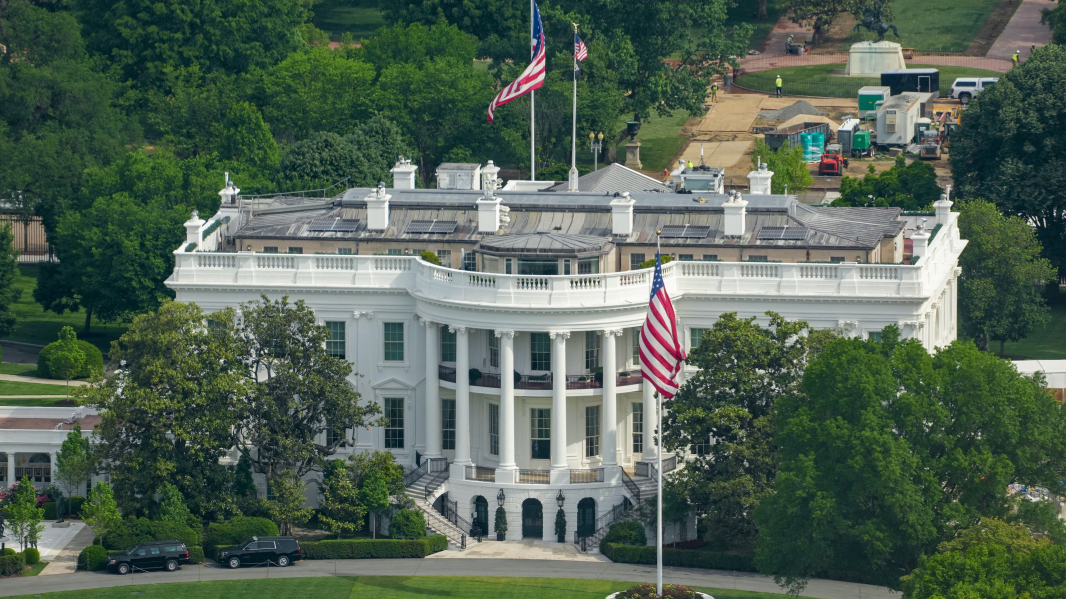
White House Press Secretary Karoline Leavitt speaks with reporters at the White House in Washington, D.C., U.S., 27 August 2026
Reuters
⦿ 03:00 GMT | UPDATE
Welcome to our live coverage
Hello and welcome.
Follow our live blog for the latest developments in the Middle East.
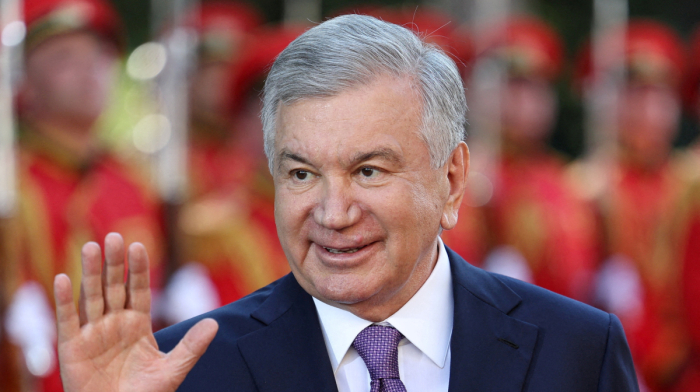
Leaders of countries from the Commonwealth of Independent States (CIS) have agreed to hold coordinated population censuses around 2030. They took the decision at the CIS Council of Heads of State meeting in Awaza, Turkmenistan on Friday, media reported.
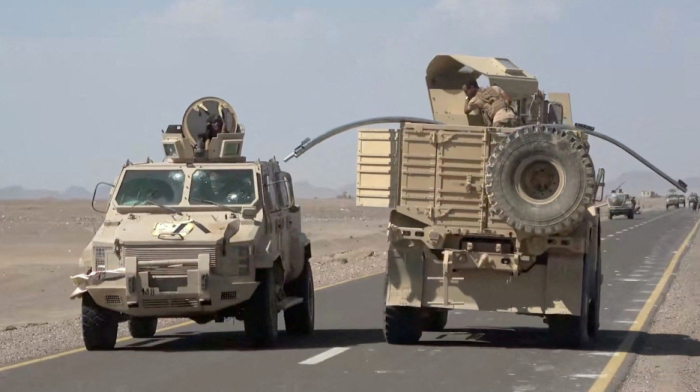
The Saudi-led coalition says it has carried out a series of military operations against Houthi targets in Yemen after attacks on two Saudi airports left three people dead and dozens injured.
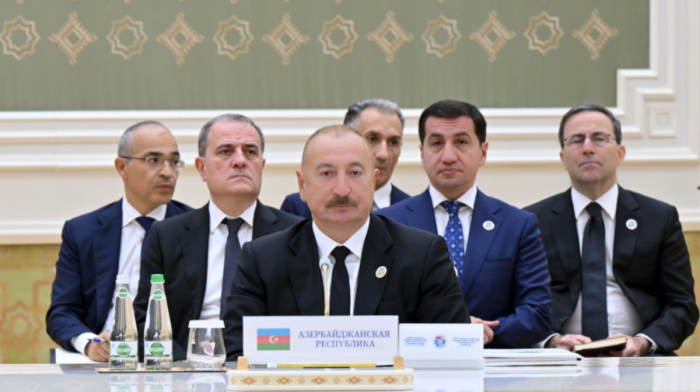
Azerbaijan and the five Central Asian states have signed two key documents at the 8th Consultative Meeting of Heads of State in Turkmenbashi, formalising a broader framework for regional cooperation in transport, trade, energy, digitalisation and security.
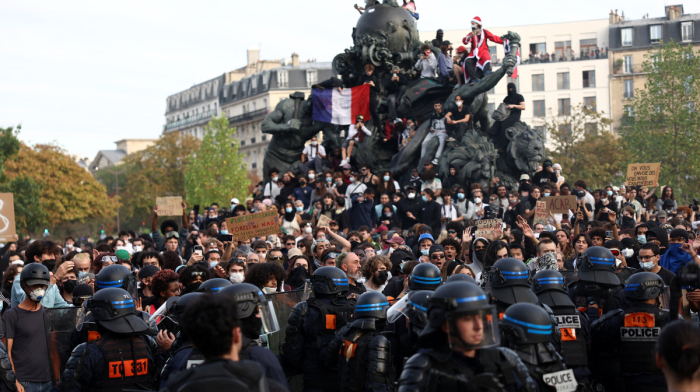
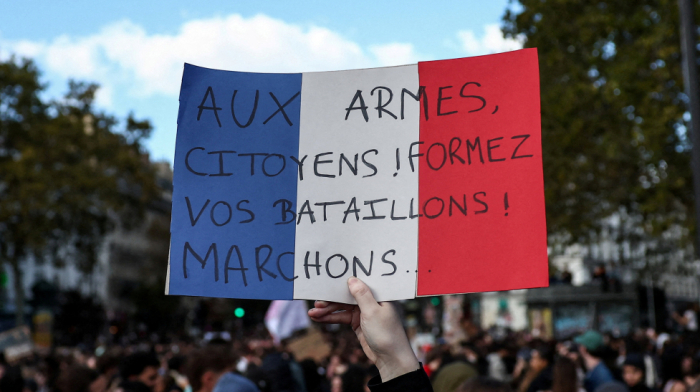
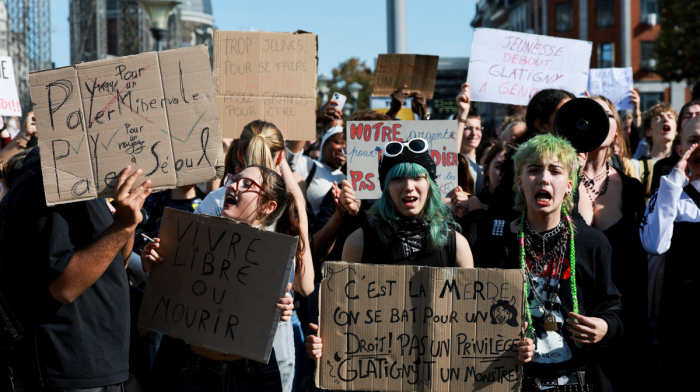
It started with classrooms. Too many students, not enough teachers, deteriorating buildings and growing anxiety over what comes after high school. But within weeks, a movement that began outside French lycées had spread across the country.
Britain and Israel have reached a temporary compromise over the future of the British Consulate General in East Jerusalem, easing a diplomatic dispute that had threatened to further strain relations between the two countries.
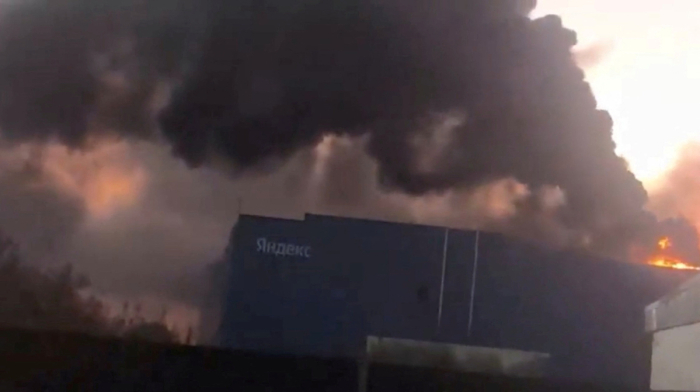
Ukrainian drone strikes have hit two Yandex data centres in Russia on consecutive days, disrupting digital services as Kyiv intensifies attacks on Russia's digital infrastructure.
The U.S. has imposed sanctions on the International Criminal Court (ICC) on Friday (9 October) escalating tensions with European allies and potentially targeting companies that provide services to the tribunal. The move came hours after former ICC judge Navi Pillay won the Nobel Peace Prize.
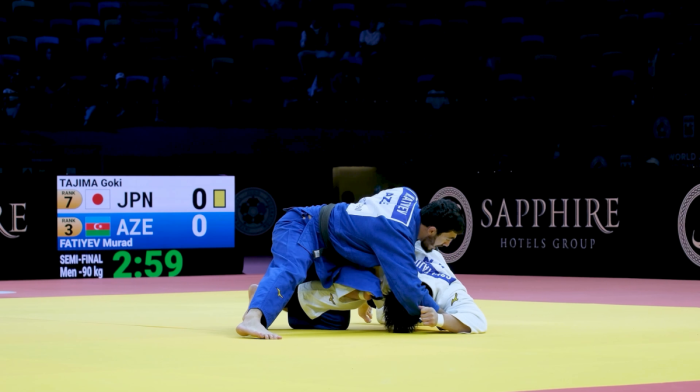
Azerbaijan has made history at the 2026 World Judo Championships in Baku, claiming a record five medals and climbing to second place in the standings behind Japan as more than 620 athletes from over 90 countries compete in the Azerbaijani capital.
Student protests are gaining momentum across France over worsening school conditions, as online calls for nationwide demonstrations on 17 October raise the prospect of wider unrest.
Riot police used water cannon and tear gas to disperse protesters in Brussels on Friday, 9 October, as students joined workers in a nationwide strike against government austerity measures and spending cuts.
Download the AnewZ app
You can download the AnewZ application from Play Store and the App Store.

















What is your opinion on this topic?
Leave the first comment