Instagram Chief Adam Mosseri has acknowledged that few teenagers used Instagram’s “Take a Break” feature before it became a default setting, as Meta faces a major U.S. trial over child safety.
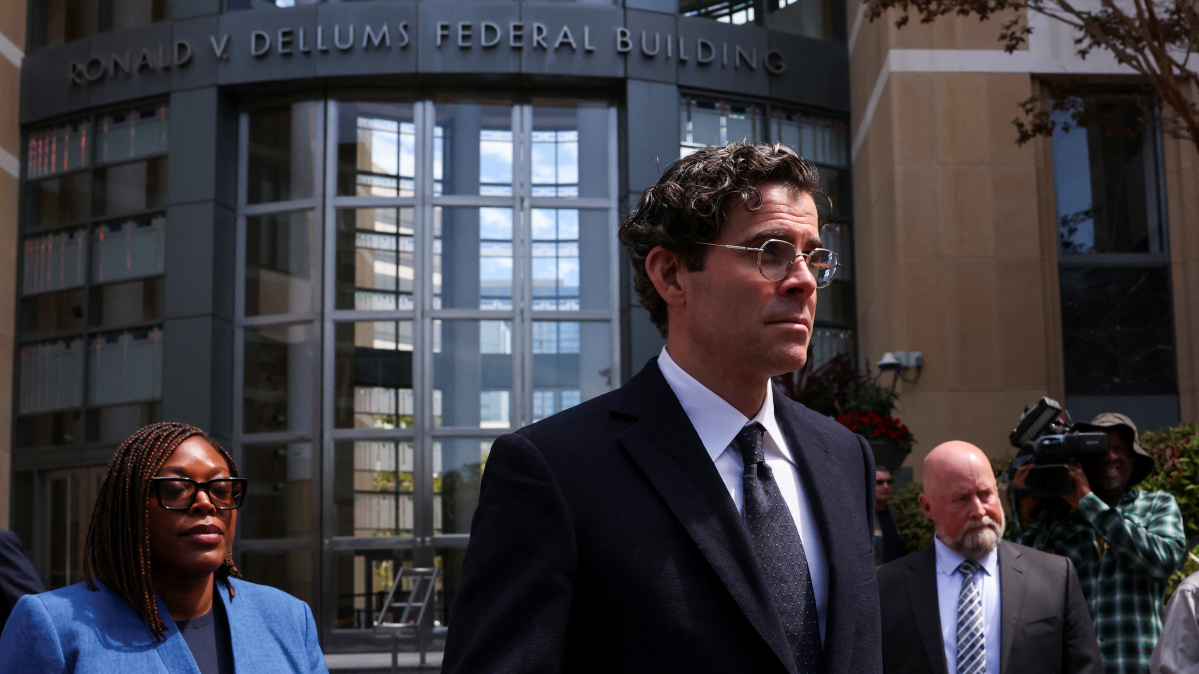
Mosseri, who has led Instagram since 2018, gave evidence in federal court in Oakland, California, on Tuesday (25 August), becoming one of the most senior Meta executives to face questioning over the company’s approach to young users.
Under questioning from Jason Slothouber, a lawyer for Colorado, Mosseri said use of “Take a Break” was in the low single digits before Instagram made it the default for teenagers in September 2024.
“Most teens didn’t want it,” Mosseri said. “We decided to push forward with it anyway.”
The feature, introduced in 2021, prompts users to leave Instagram after spending a set amount of time on the app.
Safety feature saw limited uptake
The admission has put a spotlight on the gap between the availability of safety tools and whether teenagers actually used them.
When “Take a Break” was launched in December 2021, Mosseri wrote that more than 90 per cent of teenagers who switched the feature on continued using it.
But that figure applied only to those who had activated the feature. Its overall reach was far smaller, with adoption reportedly at just 1-2 per cent of teenage accounts before it became a default setting.
Mosseri acknowledged that Instagram had not disclosed the low adoption rate at the time.
The states challenging Meta argue that making such safeguards difficult to find or optional undermined their effectiveness.
Meta denies designing for addiction
The testimony forms part of a landmark case brought by 29 U.S. states, which accuse Meta of deliberately designing Instagram and Facebook to keep young people engaged while downplaying the risks to their wellbeing.
Four states - California, Colorado, Kentucky and New Jersey - have made broader allegations that Meta's platforms contribute to anxiety, depression and suicide among young users.
All 29 states also allege that Meta unlawfully collected and used the personal information of children under 13.
The states could seek civil penalties approaching $200 billion if Meta is found liable.
Meta has rejected the allegations, arguing that its research has not established a clear link between adolescent social media use and poor wellbeing.
Questions over internal safety research
Mosseri also denied allegations that he or other executives were shielded from information about risks to teenagers.
“I am not trying to encourage my team to hide anything,” he told the court. “I want to understand how things work.”
Earlier in the trial, Instagram Product Design Director Francesco Fogu gave evidence about internal research into teenage safety.
Fogu acknowledged that data had been removed from a 2023 presentation showing teenage Instagram users encountered 1.5 times more bullying, suicide, hate, nudity and violent content than adult users. He later told Meta's lawyers that the figure appeared on another slide.
He also acknowledged that Instagram knew fewer teenagers would use “Take a Break” if it was not enabled by default.
Wider legal reckoning for Meta
The case is one of several legal battles Meta is facing over the impact of its platforms on children and teenagers.
The trial comes after a separate Los Angeles case in which jurors found Meta and Google negligent in the design of their platforms and awarded $6 million to a young woman who said she became addicted to Instagram and YouTube as a child.
Earlier this month, a New Mexico judge ordered Meta to pay $567 million following a case brought by the state's attorney general, who accused the company of contributing to harm among young people.
The latest trial could last up to six weeks. Jurors are expected to issue an advisory verdict, while U.S. District Judge Yvonne Gonzalez Rogers will ultimately decide whether Meta is liable and, if so, what penalties or changes should follow.
For Meta, the central issue is no longer simply whether teenagers use its platforms. The court is being asked to examine how deliberately those platforms were designed to keep them there - and whether the company's safety measures went far enough.
Read more about Meta:



















What is your opinion on this topic?
Leave the first comment