Georgia’s foreign trade data for January-July 2026 shows Kyrgyzstan, China and Russia as its top three export markets, highlighting its Middle Corridor ambitions and complex economic ties with Moscow.
New data from Georgia’s National Statistics Service reveals a striking shift in the country’s trade patterns. In the first seven months of 2026, Kyrgyzstan became Georgia’s largest export market, buying $521.2 million worth of Georgian goods. China ranked second at $493 million, with Russia third at $437.5 million.
At first glance, the rankings may seem unusual for a small South Caucasus economy. But the pattern reflects a wider ambition Georgia has been actively pursuing: securing a bigger role in the Middle Corridor.
What Is the Middle Corridor and Why Does It Matter?
The Middle Corridor is a trade route carrying goods from China and Central Asia across the Caspian Sea, through the South Caucasus and onwards to Europe - without passing through Russia or Iran. As global supply chains seekalternatives to routes affected by sanctions and regional instability, interest in the corridor has grown.
Georgia sits directly along this route. The strong export figures for Kyrgyzstan and China suggest the country is not simply serving as a passageway for goods. It is also increasingly positioning itself as an active trade and re-export hub, capitalising on its geographic position.
The Russia Question
The same data paints a more complicated picture. Russia is not only Georgia’s third-largest export destination - it is also the country’s second-largest trading partner overall, with total turnover of $1.8 billion, trailing only Türkiye.
That level of economic cooperation is notable because Georgia and Russia have had no formal diplomatic relations since 2008, following the war between the two countries.
Trade at this scale, despite the diplomatic freeze, underscores a recurring tension in Georgia’s foreign policy: close economic ties with Moscow while Tbilisi’s relationship with Western partners, including the EU and the U.S., remains strained.
The Bigger Trade Picture
Georgia’s overall foreign trade turnover rose to $15.5 billion in the first seven months of 2026, up 7.5 per cent from the same period last year. Exports jumped 21.6 per cent to $4.67 billion, while imports increased at a slower pace of 2.4 per cent to $10.85 billion.
The difference resulted in a trade deficit of $6.18 billion - nearly 40 per cent of total turnover.
Türkiye, Russia and China were Georgia’s three largest trading partners overall, together accounting for a significant share of total turnover. The country’s top 10 trading partners combined accounted for 66.3 per cent of all trade.
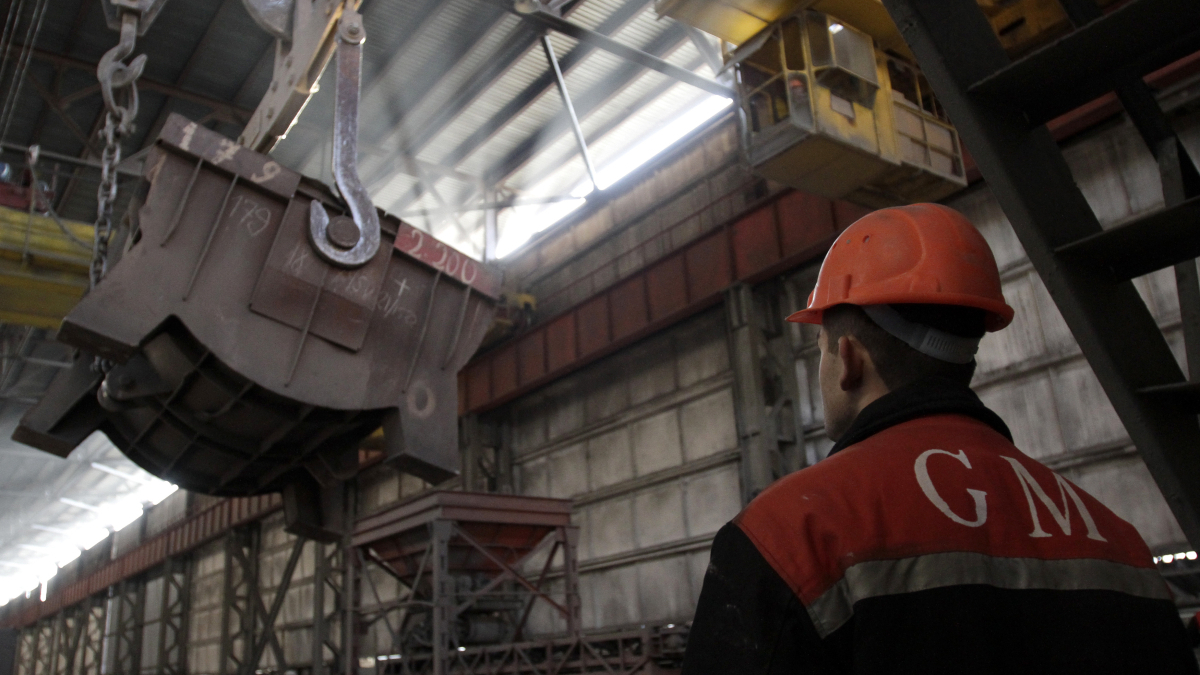
Passenger cars topped both sides of Georgia’s goods trade, accounting for $1.16 billion in exports and $2 billion in imports. Oil and petroleum products ranked second for both exports and imports, followed by precious metal ores among exports and medical products among imports.
What the Numbers Suggest
Taken together, the data shows Georgia pursuing two economic relationships at the same time: seeking to capitalise on the Middle Corridor while maintaining substantial commercial ties with Russia.
Georgia’s trade figures, therefore, offer more than an economic snapshot - they also provide a window into the country’s broader and often-debated foreign policy direction.
Another feature of the rankings is the absence of both the EU and the U.S. from the leading positions among Georgia’s export markets, import partners and overall trading partners. For a country that has long stated Western integration as a foreign policy goal, the figures highlight the growing importance of its trade relationships elsewhere.
















What is your opinion on this topic?
Leave the first comment