President Felix Tshisekedi of the Democratic Republic of the Congo has pledged a strong military response to M23 rebels, accusing Rwanda of backing them and condemning global inaction. He called for national resilience and a humanitarian plan for the displaced.
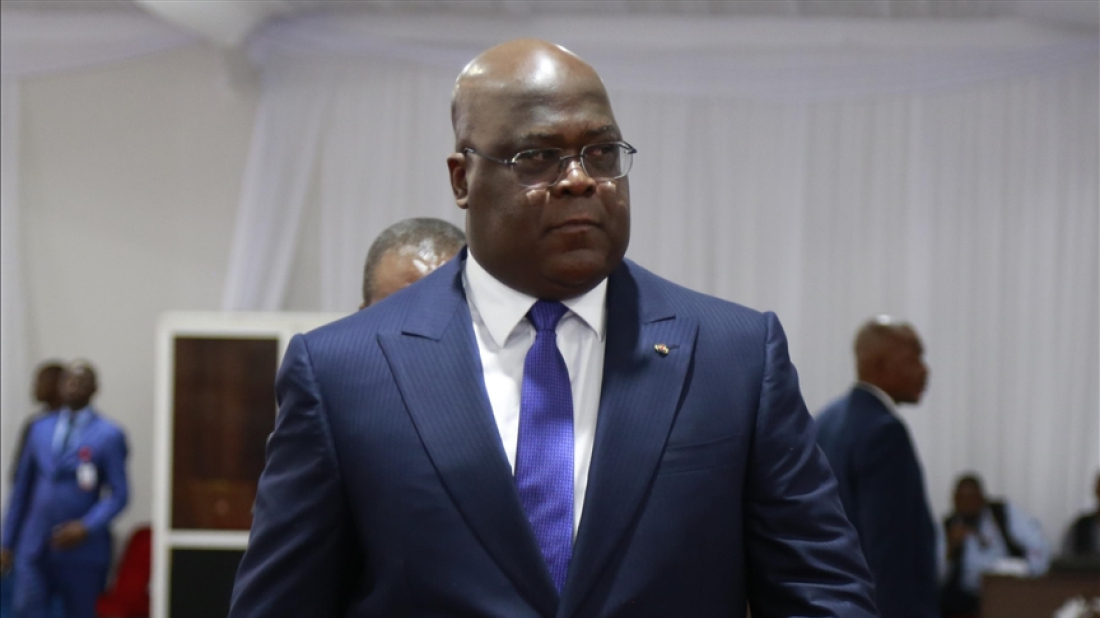
The president of the Democratic Republic of the Congo, Felix Antoine Tshisekedi, has announced a forceful response from the Congolese army to the recent armed assaults by M23 rebels, accusing Rwanda of backing the insurgents and condemning both the international and African communities for their failure to address the growing tensions along the border.
In a televised address late Wednesday, Tshisekedi described the security situation in eastern Congo as deteriorating at an unprecedented rate, claiming that Rwanda's support for the M23 rebels had escalated into acts of terrorism that have caused widespread devastation among local populations.
On Monday, the M23 rebels, allegedly backed by Rwanda, claimed control of the city of Goma. However, local residents have stated that control of the strategic city remains divided between the rebels and the Congolese army. At least 25 people were killed in Goma, nine in Rwanda, with hundreds more injured in the ongoing conflict. Additionally, the recent clashes resulted in the deaths of 17 peacekeepers, including 13 South Africans, three Malawians, and one whose nationality remains unidentified.
Tshisekedi assured the nation that a comprehensive and coordinated military response against the rebels and their sponsors is underway. He further emphasised that the Congolese army is fully mobilised and committed to defending the country's sovereignty at all costs. He condemned Rwanda for its actions, accusing it of brazenly violating the principles of the United Nations Charter and regional agreements.
Rwandan President Paul Kagame has consistently denied any involvement in supporting the rebels. However, Tshisekedi argued that Rwanda's actions, which are taking place with apparent impunity, disregard international laws and the values upheld by international institutions.
The Congolese president sharply criticised Rwanda's provocations, asserting that they undermine both Congolese sovereignty and regional stability. He labelled the actions as "barbaric" and a direct affront to the dignity and history of the Congolese people.
Tshisekedi also voiced his dissatisfaction with the silence and lack of action from both the United Nations and the African Union in response to the violence perpetrated by Rwanda and its allies in Congo, suggesting that this inaction borders on complicity. Despite this, he reiterated his openness to dialogue, although he remains prepared to take all necessary measures to defend Congo's territorial integrity.
In light of the ongoing conflict, Tshisekedi called on his citizens to remain resilient, urging them to mobilise and resist the crisis. He has also directed the government to establish an emergency humanitarian plan to assist those displaced by the violence.

















What is your opinion on this topic?
Leave the first comment