Rally in Tel Aviv calls for return of deceased hostage Ran Gvili
Hundreds of people gathered for a second consecutive week at Tel Aviv’s Hostages Square, on Friday (12 December), to support the family of Master Sg...
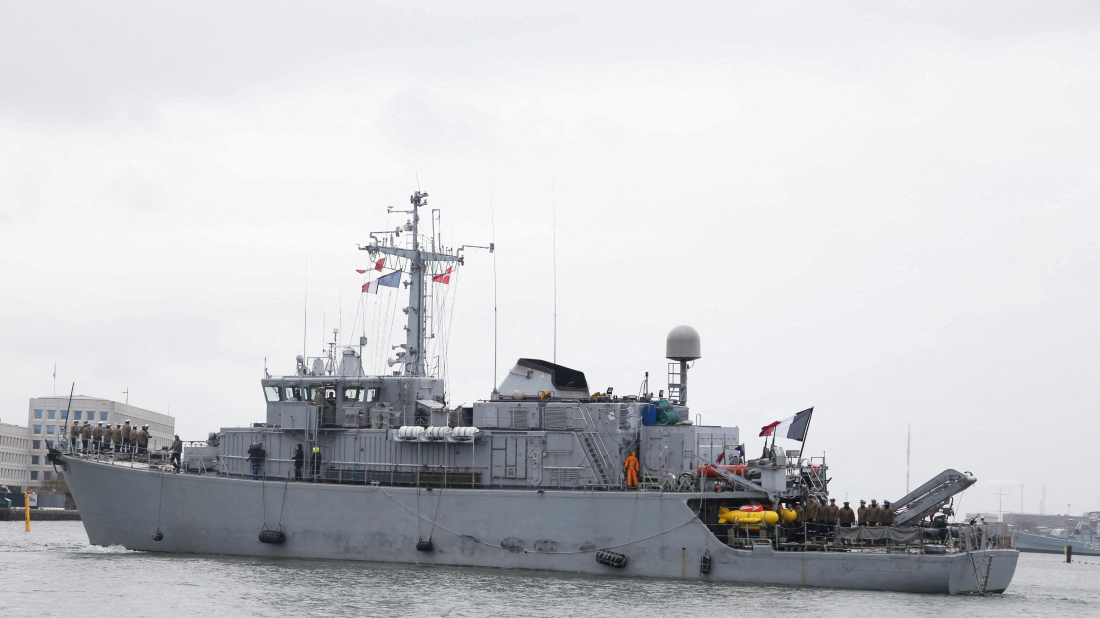
Shipping firms may soon face fees to navigate the Baltic Sea, a vital shipping route, to fund the protection of undersea cables. This follows a series of suspected sabotage incidents, with NATO deploying forces to safeguard the region’s infrastructure.
Shipping companies may soon face a fee to navigate the Baltic Sea, one of the busiest shipping lanes in the world, to cover the growing costs of protecting undersea cables, as highlighted by Estonia's defence minister on Wednesday. The proposal follows a series of breaches, which have raised concerns over the security of vital power and communications infrastructure.
NATO recently announced the deployment of frigates, patrol aircraft, and drones to monitor the Baltic after several incidents where ships have caused damage to cables with their anchors, suspected to be acts of sabotage. Alongside these patrols, Defence Minister Hanno Pevkur discussed the possibility of additional measures, such as installing sensors to detect anchor movements or constructing protective barriers around the cables.
These protective measures, however, will incur substantial costs, with the potential for consumers to bear the financial burden through increased taxes or utility costs. Pevkur proposed a solution that would involve charging vessels passing through the Baltic Sea, particularly in areas like the Danish Straits, to help fund the protection efforts. He compared this potential fee to airport landing charges included in ticket prices.
With around 150 undersea cables damaged globally each year, the Baltic Sea is particularly vulnerable due to its dense maritime traffic, with estimates suggesting as many as 4000 ships cross the region daily. The situation has been exacerbated by recent incidents, including the seizure of a Maltese-flagged vessel by Swedish authorities in connection with damage to a cable linking Latvia and Sweden.
Pevkur suggested that the incidents may be the result of coordinated actions by vessels linked to Russia’s "shadow fleet", although official investigations are still ongoing. Moscow has dismissed these claims, accusing Western nations of making unfounded accusations. As discussions continue, countries must find a collective solution to safeguard the region’s undersea cables and maintain maritime security.

Japan has lifted a tsunami advisory issued after an earthquake with a magnitude of 6.9 hit the country's northeastern region on Friday (12 December), the Japan Meteorological Agency (JMA) said. The JMA had earlier put the earthquake's preliminary magnitude at 6.7.
Iran is preparing to host a multilateral regional meeting next week in a bid to mediate between Afghanistan and Pakistan.
The United States issued new sanctions targeting Venezuela on Thursday, imposing curbs on three nephews of President Nicolas Maduro's wife, as well as six crude oil tankers and shipping companies linked to them, as Washington ramps up pressure on Caracas.
The resignation of Bulgaria's government on Thursday (11 December) puts an end to an increasingly unpopular coalition but is likely to usher in a period of prolonged political instability on the eve of the Black Sea nation's entry into the euro zone.
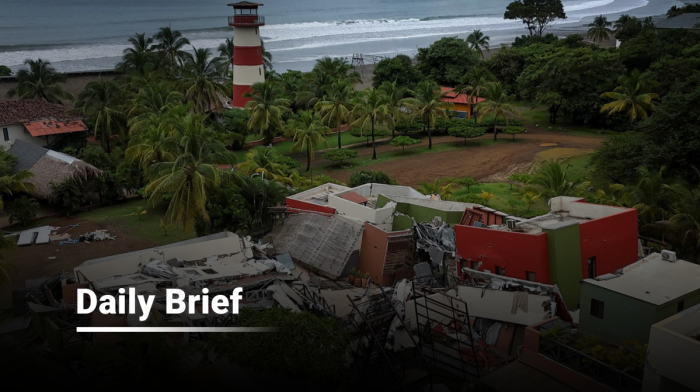
An extratropical cyclone has caused widespread disruption across Brazil’s São Paulo state, with powerful winds toppling trees and power lines, blocking streets and leaving large parts of the region without electricity.
Britain’s King Charles III said on Friday, 12 December, that his cancer treatment is expected to be reduced in the coming year, using a televised address to urge people across the country to take part in cancer screening programmes, officials confirmed.
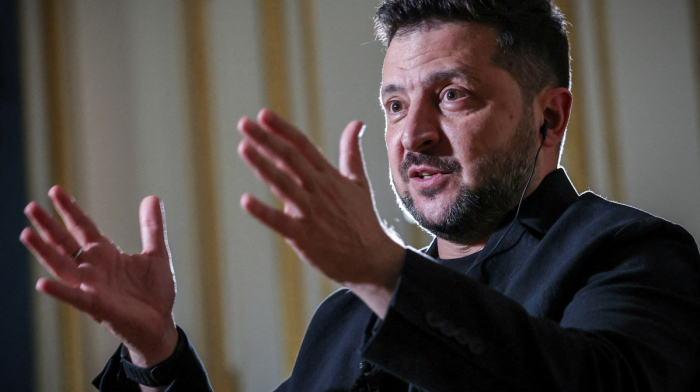
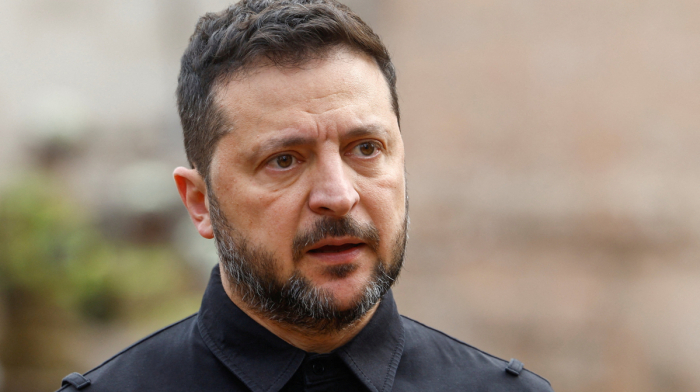
Talks aimed at ending the war between Ukraine and Russia are set to continue in Berlin this weekend, with U.S. envoy Steve Witkoff due to meet Ukrainian President Volodymyr Zelenskyy and senior European leaders, a U.S. official said.
Türkiye’s Trade Minister Omer Bolat said Friday that discussions in Washington with U.S. officials have strengthened efforts to expand bilateral trade, moving closer to a $100 billion target.
Lebanon is prepared to demarcate its border with Syria, President Joseph Aoun said on Friday, while noting that the dispute over the Shebaa Farms could be addressed at a later stage.
Greek farmers blocked the Port of Thessaloniki on Friday (12 December) as part of nationwide protests demanding delayed European Union subsidies and compensation for rising production costs and livestock losses.
You can download the AnewZ application from Play Store and the App Store.
What is your opinion on this topic?
Leave the first comment