Start your day informed with AnewZ Morning Brief. Here are the top news stories for the 30th of July, covering the latest developments.
U.S. strikes Iran as widening war engulfs more countries
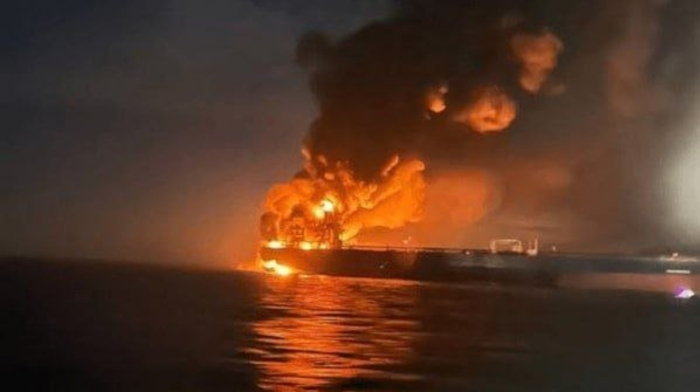
The U.S. military launched fresh strikes on Iran on Wednesday, calling them a "powerful response" to attempted Iranian attacks on U.S. forces in the Middle East. The strikes came as the conflict spread across the region, with U.S. and Saudi forces targeting Iran-aligned groups in Iraq, Iran firing missiles at U.S. troops in Jordan, and a drone strike hitting a U.S.-owned tanker in Egypt.
Japan quake-hit communities face water shortages and heat
The 7.1-magnitude earthquake that struck southern Japan left parts of Yatsushiro city without water and power. Residents are facing severe conditions amid a heatwave, with temperatures reaching around 35°C and raising concerns over heatstroke risks. The death toll from the earthquake in Kumamoto prefecture rose to at least 17, while several others remained in critical condition or under investigation.
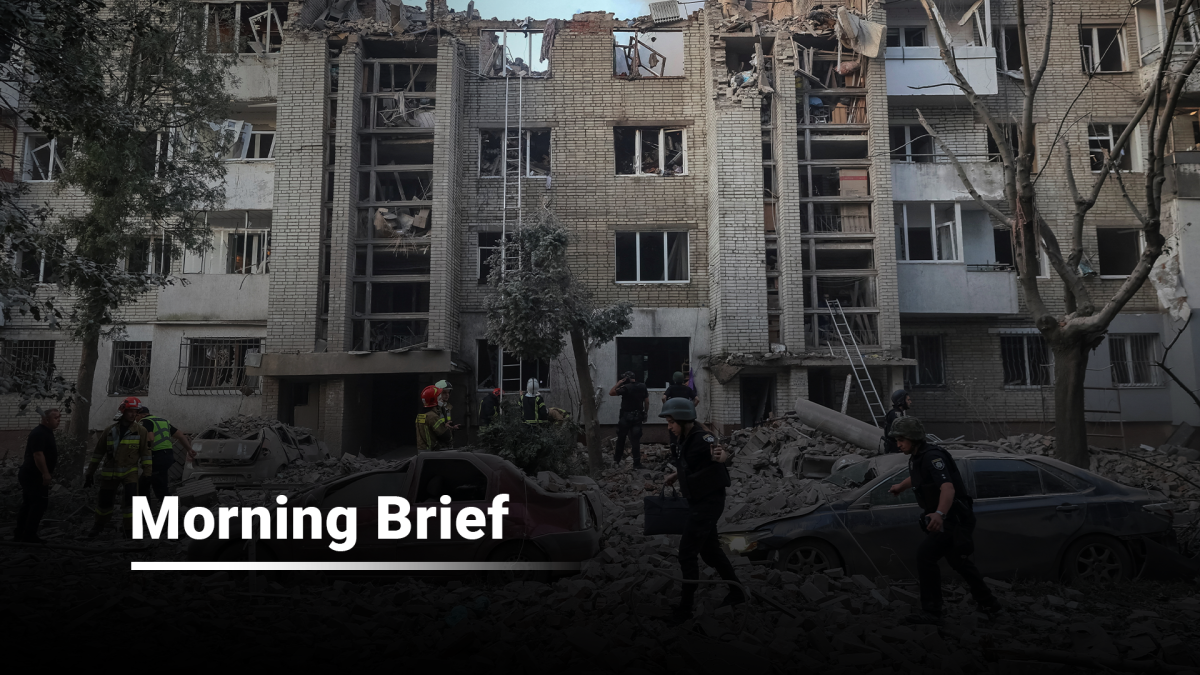
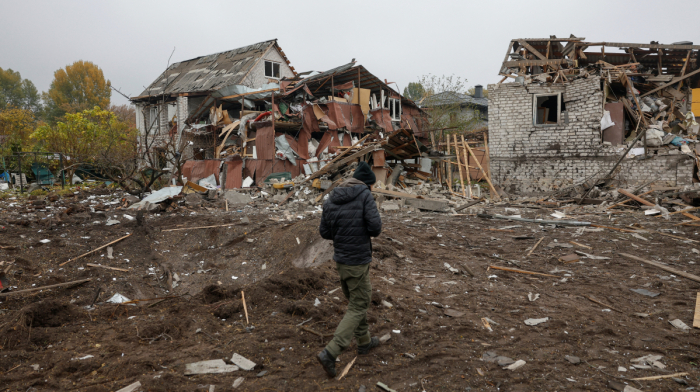
Russian strikes hit Kyiv, Poland scarmbles fighter jets
Russian ballistic missile strikes killed at least thirteen people in Ukraine on Thursday, including one in Kyiv, with attacks reaching the western city of Lviv and prompting Poland to scramble fighter jets to protect its airspace. The strikes came as President Volodymyr Zelenskyy returned from the United States, where he said President Donald Trump agreed to provide Ukraine with licences for Patriot missiles.
China warns of retaliation over U.S. robot ban
China has warned it will "resolutely retaliate" if the United States continues with an import ban on new Chinese robots and power inverters. The Chinese Commerce Ministry urged the U.S. to withdraw the measures, saying they discriminate against Chinese firms and harm the interests of both countries’ industries. The U.S. Federal Communications Commission (FCC) said the restrictions were aimed at protecting AI development from national security risks and supporting key domestic industries.
Australia moves against Telegram over alleged terror content
Australia’s internet regulator has launched legal action against Telegram, accusing the messaging platform of failing to remove pro-terror content. The eSafety Commissioner said Telegram allowed the material to remain accessible despite being notified, while the company rejected the allegations and said it would challenge them in court. The regulator said Telegram could face civil penalties of up to A$54.6 million ($38 million) for failing to comply with Australia’s online safety rules.














What is your opinion on this topic?
Leave the first comment