Foreign Minister Felix Plasencia described the decision as "irrevocable," saying the government believes the court unfairly focuses on countries in the Global South, particularly in Africa and Latin America. In a statement, he accused the ICC of applying justice unevenly and targeting developing nations.
The move follows a decision by Venezuela's National Assembly late last year to revoke legislation that had incorporated the Rome Statute, the treaty that created the ICC. That vote effectively cleared the legal path for the country's withdrawal.
Long-running dispute with the court
The relationship between Caracas and the ICC has deteriorated for years.
The court has been examining allegations that Venezuelan officials, members of the security forces and pro-government groups committed crimes against humanity during a crackdown on anti-government demonstrations and political dissent. In 2020, ICC prosecutors said there were reasonable grounds to believe such crimes may have been committed from at least 2017 onward.
A formal investigation was launched in 2021 under ICC Prosecutor Karim Khan, a move that Venezuelan authorities consistently opposed.
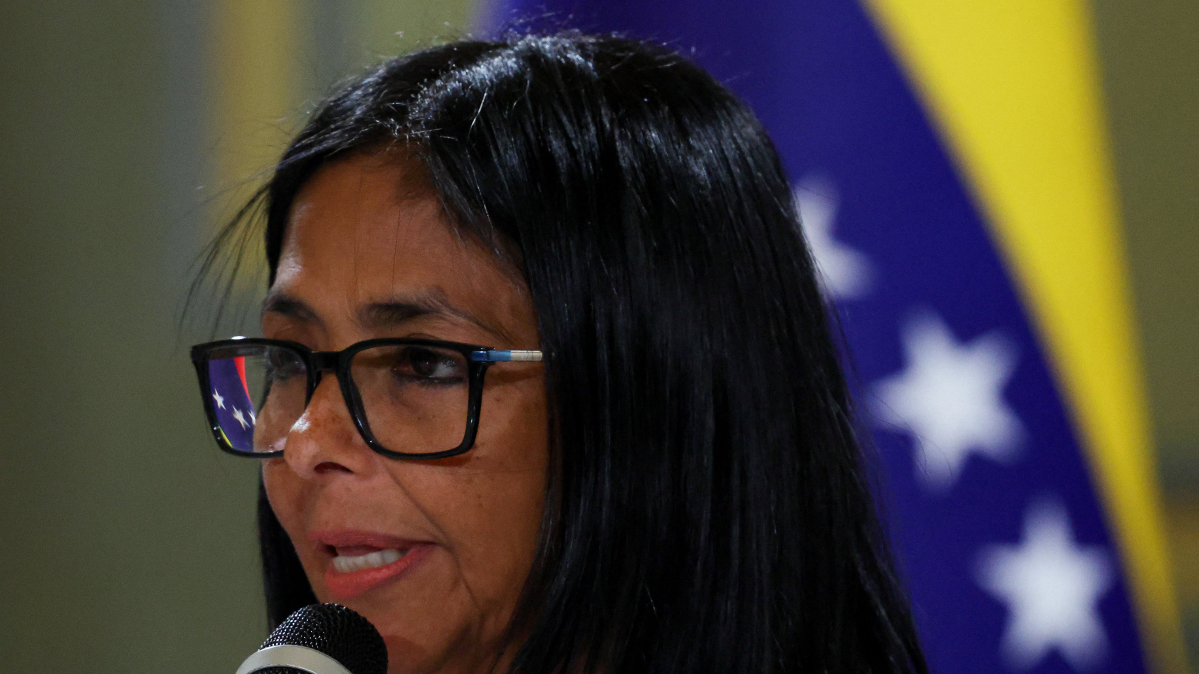
Speaking at a public event on Friday, acting President Delcy Rodriguez said her government no longer had confidence in the court.
"The International Criminal Court has been so heavily politicised to attack the Venezuelan people and the Venezuelan state that we do not believe in that type of organisation or institution," Rodriguez said.
Political backdrop
The withdrawal comes during a period of major political change in Venezuela following the removal of former President Nicolas Maduro from power in January. Maduro was taken to the United States, where he faces alleged drug-trafficking charges.
Earlier this year, the ICC closed its office in Caracas, citing a lack of cooperation from the Venezuelan government.
The announcement also coincided with a turbulent moment for the court itself. On the same day, ICC member states voted to remove Chief Prosecutor Karim Khan following allegations of sexual misconduct, which he has denied.
Questions over Venezuela's future
Venezuela's decision is likely to intensify debate over international justice and accountability mechanisms, particularly in countries accused of rights violations.
Meanwhile, uncertainty remains over the country's political future. The Trump administration has not set a timetable for new elections, and U.S. President Donald Trump said on Friday that Venezuela was not yet ready to hold a vote, while praising Rodriguez's leadership.
"As far as the elections in Venezuela, they're not really ready for them yet, but boy, a lot of progress has been made. Delcy's been doing a fantastic job," Trump told reporters at the White House.
The withdrawal marks a significant break with one of the world's leading international justice institutions. It is expected to fuel further discussion about the ICC's role and influence in global affairs.












What is your opinion on this topic?
Leave the first comment