Cuban dissident artist Luis Manuel Otero Alcántara arrived in the United States on Saturday after completing a five-year prison sentence on the communist-run island.
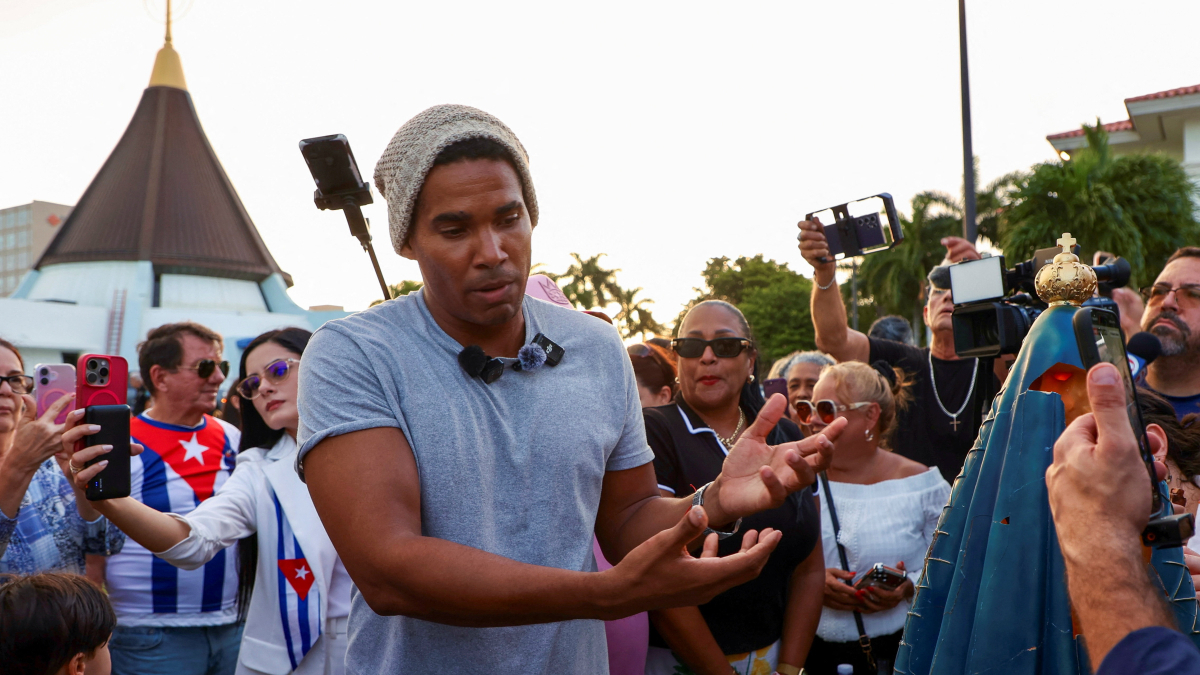
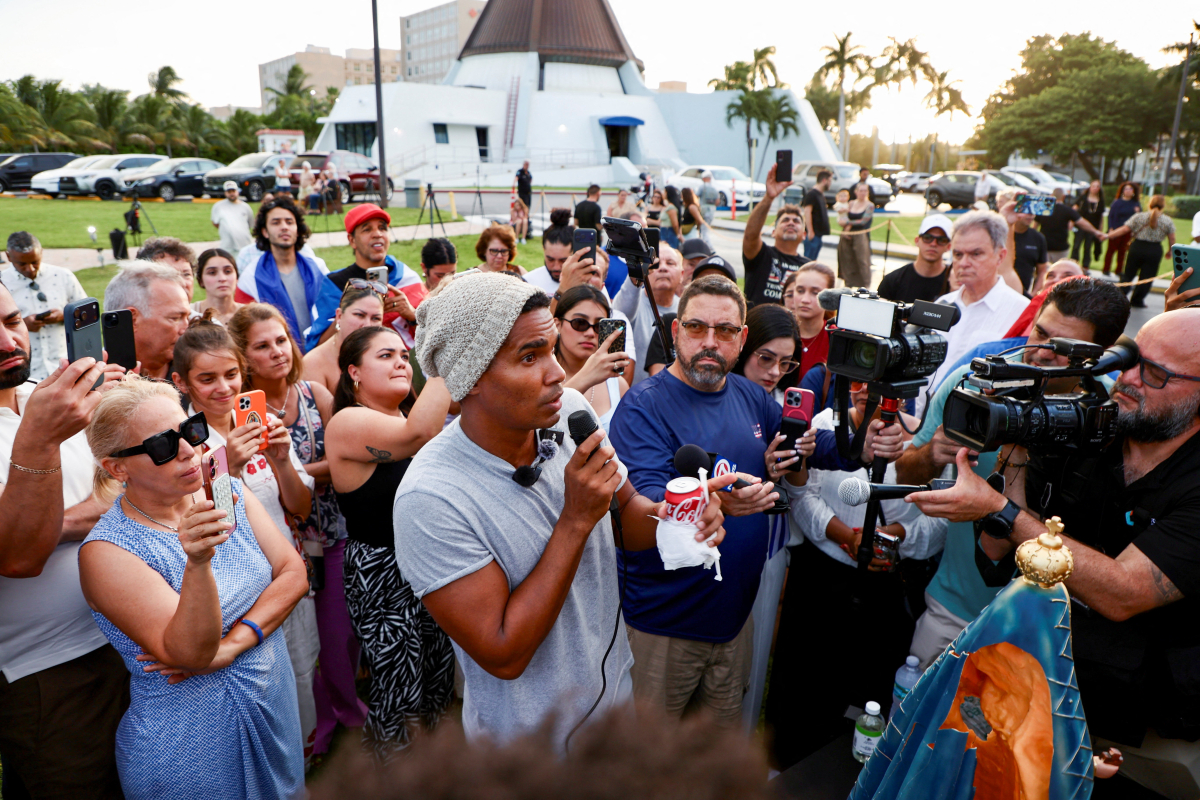
Otero Alcántara was welcomed in Miami by supporters after arriving in the United States.
He visited the National Shrine of Our Lady of Charity and thanked the U.S. and the European Union while renewing calls for political change in Cuba.
"I believe the dictatorship has to end, and the Castro dynasty has to end, as well," Otero Alcántara said, accusing the government of fostering corruption.
He said responsibility for rebuilding Cuba rests with its people, adding, "Cuba's future depends on us, the Cuban people."
Activist's imprisonment and release
Otero Alcántara, 38, was detained by Cuban authorities in 2021 during the country's largest anti-government protests in decades.
He was convicted of offenses including desecration of national symbols, contempt and public disorder, and spent five years in Guanajay prison near Havana.
A U.S. Embassy official in Havana said Otero Alcántara had been granted humanitarian parole.
U.S. criticises Cuba's crackdown
U.S. Secretary of State Marco Rubio announced Otero Alcántara's arrival and called for the release of all political prisoners in Cuba.
"The Cuban government's brutal crackdown against its own people five years ago is yet another reminder of the unique misery and evil that is innate to the communist system," Rubio said.
He added that Otero Alcántara's "only crime" was refusing to remain silent and using his art to demand greater freedoms.
Cuban authorities had previously offered him the option of leaving the country in exchange for an early release, but he repeatedly rejected the proposal.
The cases of Otero Alcántara and Cuban rapper Maykel Castillo, known as "Osorbo," who is serving an eight-year prison sentence, have remained a source of diplomatic tensions between Washington and Havana.
Read more:

















What is your opinion on this topic?
Leave the first comment