Australia and India have finalised an agreement allowing Australian uranium exports for India's nuclear energy sector, expanding cooperation on clean energy, critical minerals and infrastructure as the two countries strengthen their strategic and economic partnership.
Uranium deal strengthens energy partnership
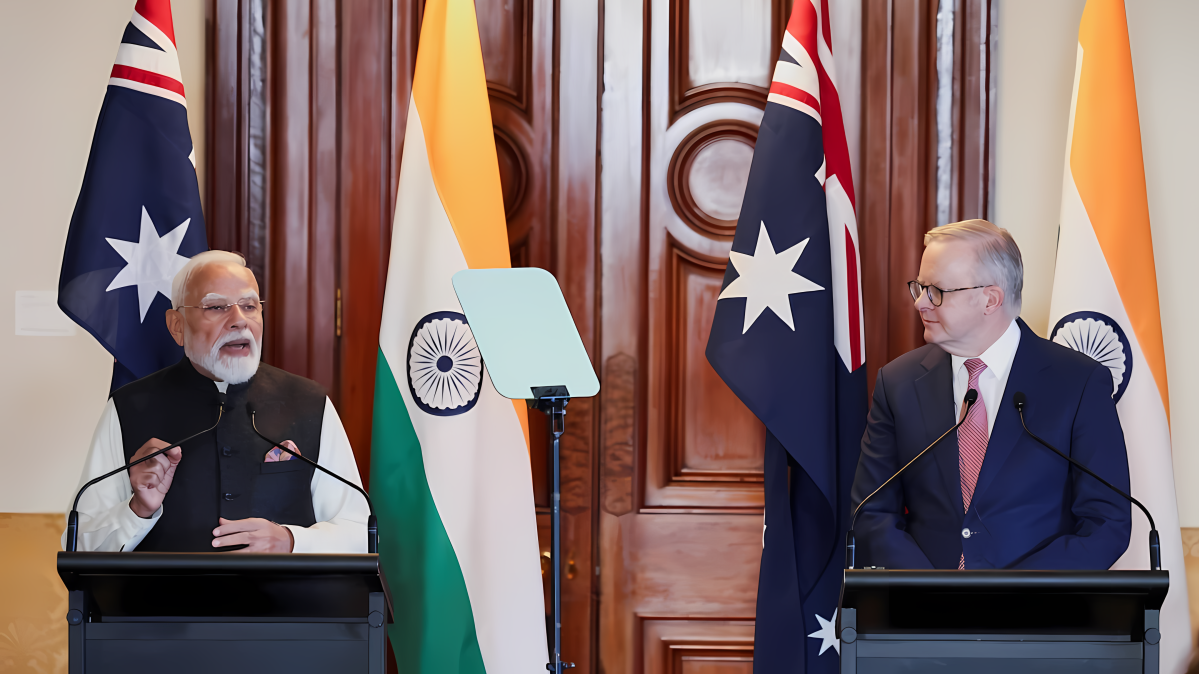
Australia and India finalised an arrangement on Thursday that will allow Australian uranium exports to India for use in its nuclear energy sector, Reuters reported, marking a new step in the two countries' broader energy and trade relationship.
Australian Prime Minister Anthony Albanese announced the deal in Melbourne after talks with visiting Indian Prime Minister Narendra Modi, saying it would support India's shift towards a larger share of non-fossil fuel power while opening another market for Australian resources.
India has been seeking access to Australia's uranium reserves as it works towards a target of 100 gigawatts of nuclear energy capacity by 2047. Australia, meanwhile, is seeking to broaden trade ties beyond China, its largest trading partner.
The two countries signed a nuclear cooperation pact in 2014, but uranium exports have remained limited because of safeguards designed to ensure the fuel is used only for peaceful purposes such as power generation.
Investment and infrastructure cooperation
Modi said the relationship offered “historic opportunities” in areas including energy transition, critical minerals, green hydrogen and low-carbon aluminium. He also urged Australian businesses to invest for the long term in India's roads, ports, railways and urban infrastructure.
AustralianSuper, Australia's largest pension fund, said it would invest a further A$500 million (US$347 million) in India's National Investment and Infrastructure Fund.
Albanese described Modi as a “living bridge” between the two countries, pointing to the Indian leader's role in shaping Australia's economic engagement with India. India is Australia's fifth-largest trading partner, and around one million people in Australia claim Indian ancestry.
Regional engagement
Modi arrived in Australia after a visit to Indonesia, where he signed agreements on agriculture and defence, including for the BrahMos cruise missile system. He is expected to meet members of the Indian diaspora in Melbourne before travelling to New Zealand on Friday.
Read more:















What is your opinion on this topic?
Leave the first comment