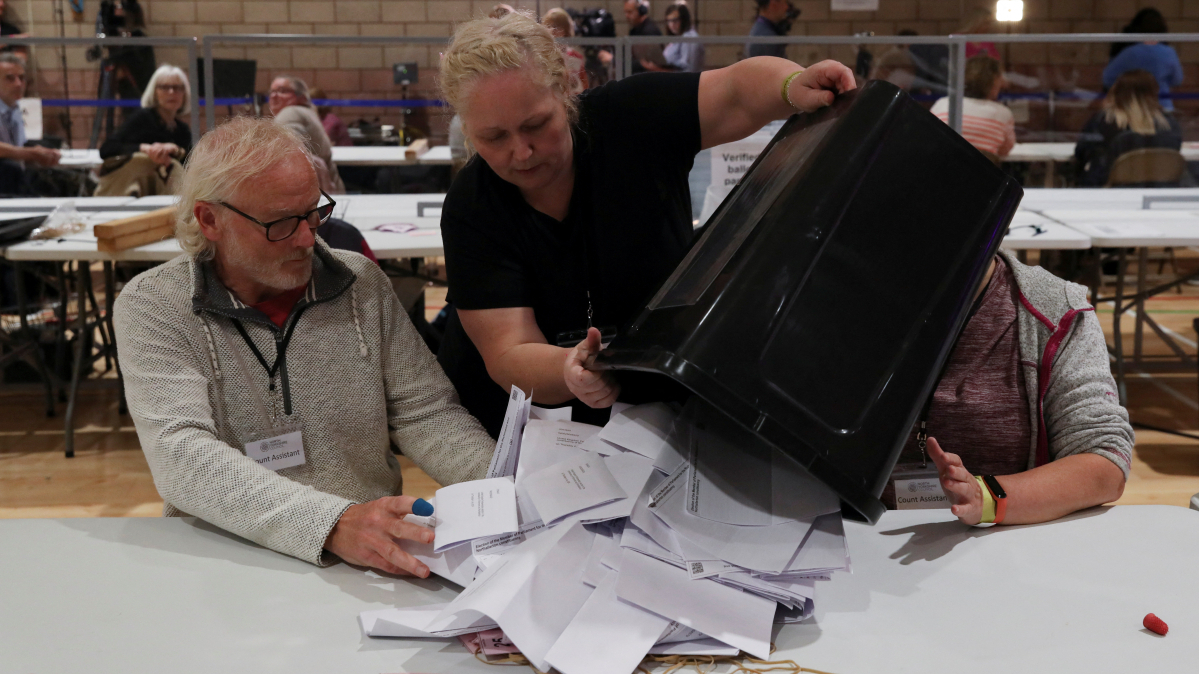
Britain has announced tougher rules on political donations, aiming to reduce the risk of foreign money influencing elections and strengthen safeguards against overseas interference in the country's democratic processes.
The measures, unveiled on Monday, follow a government review into foreign financial influence in politics. The review was launched last year after a former Reform UK politician was jailed for accepting bribes in exchange for making pro-Russia speeches and statements.
According to the government, the review concluded that Britain faces a persistent threat from foreign states, including Russia, China and Iran, which have sought to influence or undermine democratic institutions.
Stricter checks on political funding
Under the new rules, political candidates will be required to declare donations exceeding £2,230 ($2,975) that are received before they officially become candidates.
Candidates will also need to demonstrate that any funding received before their candidacy came from legitimate sources.
Housing Minister Steve Reed said the measures were designed to enhance transparency and protect the integrity of British elections.
“By holding overseas donors to tougher standards and requiring candidates to prove where their funding comes from, we are taking world-leading action to protect the integrity of our elections and tackle the threats we face from abroad,” Reed said in a statement.
New restrictions on overseas donors
The changes also tighten rules for individuals who have recently moved to the UK.
People arriving from overseas will now be required to live permanently in Britain for at least one year before they can make political donations of £100,000 or more.
In addition, donations from companies will be scrutinised using post-tax profits rather than revenue when determining eligibility, a move the government says will help ensure only businesses with genuine UK links can contribute to political parties and campaigns.
Measures build on earlier reforms
The latest changes expand on a package of reforms announced in March.
Those measures capped political donations from British citizens living abroad at £100,000 ($133,400) per year and introduced a ban on cryptocurrency donations until a regulatory framework is established to oversee such contributions.
The government says the combined measures are intended to close loopholes that could allow foreign money to enter the political system indirectly.
Scrutiny over Reform UK donations
The announcement comes as Reform UK leader Nigel Farage faces scrutiny over political donations.
Farage is being investigated by Parliament's standards watchdog over whether he should have declared a £5 million ($6.67 million) donation from Thailand-based cryptocurrency investor Christopher Harborne, which was reportedly made before Farage announced he would stand for Parliament.
Reform UK has denied any wrongdoing and said all relevant rules were followed.
According to Electoral Commission data, Harborne provided around two-thirds of the party's funding last year.
Separately, Farage was referred to Parliament's standards commissioner on Sunday following reports that he may have failed to declare other benefits.
Focus on election integrity
The government said the new rules are part of broader efforts to protect Britain's electoral system from foreign interference and improve transparency around campaign financing.
With concerns growing across Europe about outside attempts to influence democratic processes, ministers argue that stronger safeguards are necessary to ensure public confidence in elections and political institutions.

















What is your opinion on this topic?
Leave the first comment