Why are Gen Z protesters taking to Germany's streets?
Gen Z protests swept 34 German cities on Saturday (31 October) over education, living costs and military service proposals. Violence erupted in Fra...
Australia will introduce new laws in parliament on Monday to strengthen its under-16 social media ban and give its internet regulator more power to pursue tech giants in court for non-compliance.
The move follows the world-first restrictions that took effect in December, a policy being watched closely by many countries seeking to emulate it as evidence suggests children are still able to access the platforms.
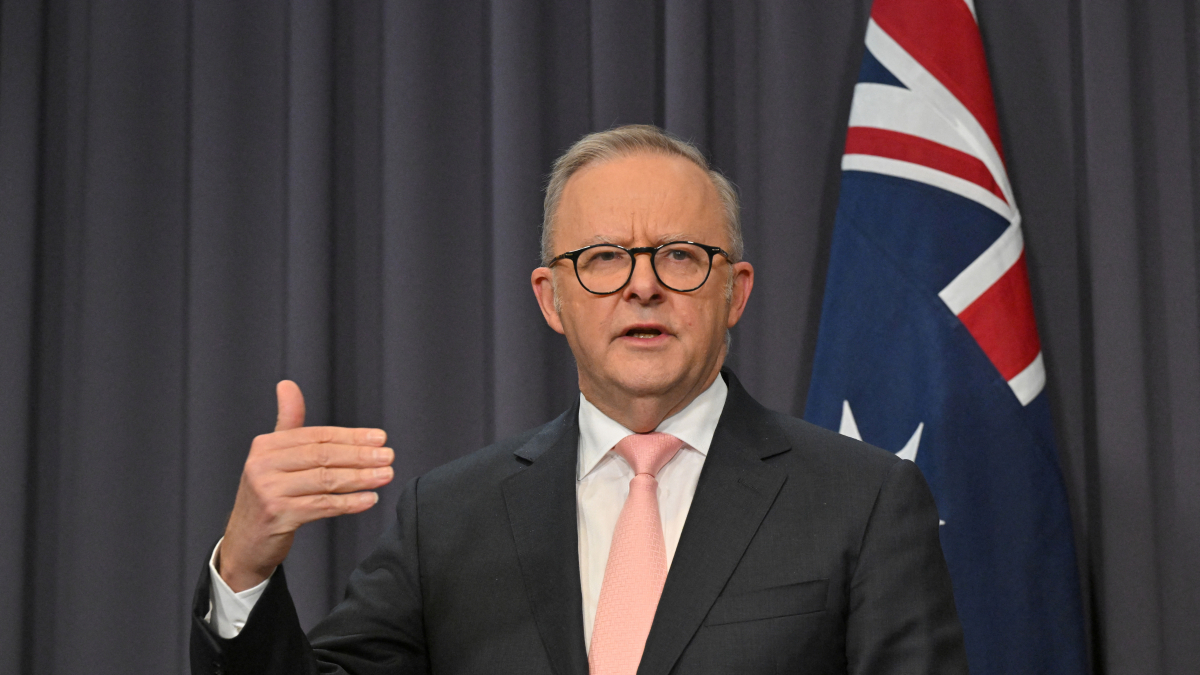
Prime Minister Anthony Albanese said there were still too many children on social media and tech firms were not doing enough to comply with the law.
"We're calling time on the social media companies today and doubling down on the changes that we have made and that we're prepared to make," he told reporters in Canberra.
"Today, we'll introduce legislation this afternoon that goes further to ensure social media companies are doing everything within their power to stop children under 16 being on their platforms."
The regulator is investigating possible non-compliance by five platforms: Meta's Facebook and Instagram, Snapchat, TikTok and Google's YouTube.
There was no immediate comment from Meta, Google and Snapchat. TikTok declined to comment.
Albanese called on the conservative coalition opposition to back the bill, noting the original policy passed with bipartisan support.
The changes, announced on Sunday, would double fines to A$99 million ($68.2 million) from A$49.5 million.
They also give the eSafety Commissioner power to compel documents such as company board minutes and internal emails, ensuring legal cases being built against platforms failing to comply are as "strong as possible", said Communications Minister Anika Wells.
"My message to Big Tech is this: we are not stopping. Every effort you make to frustrate these laws will be met with our efforts to make these laws work," she said.
"If the eSafety Commissioner finds companies are not doing everything they can to comply, they will face the full force of the law."
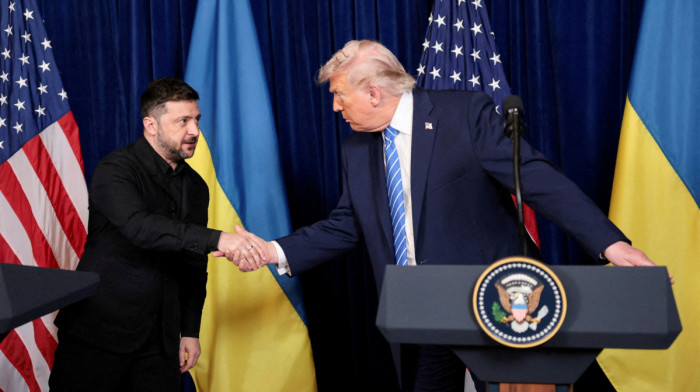
The U.S. has approved the sale of 500 Patriot PAC-3 missiles to Ukraine in a deal worth an estimated $2.1 billion, but Kyiv could face years of delays before receiving the weapons it urgently needs to defend against intensifying Russian attacks.
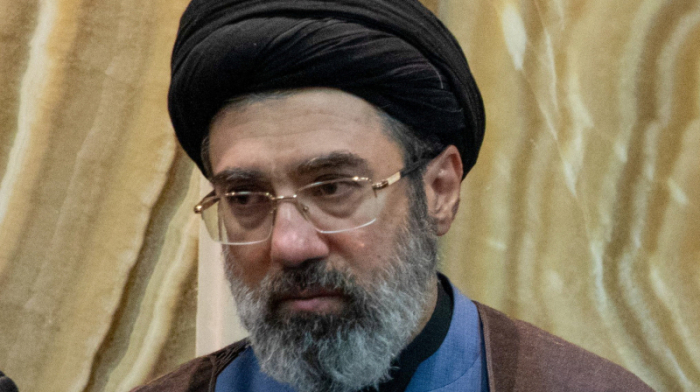
Iranian Supreme Leader Ayatollah Khamenei has ordered Iran's armed forces to respond to any threat immediately and without geographical limits in statements posted to social media platforms on Saturday (31 October).
Demonstrators carrying Iranian flags and placards supporting the hijab gathered outside the Azerbaijani Embassy in London.
A Chinese-made AI chip has matched Nvidia’s H200 in tests conducted by its developer, marking a potential breakthrough in China’s efforts to reduce its dependence on foreign technology.
A hacking group linked to North Korea is widely believed to be behind the theft of $6.3 billion from cryptocurrency giant Binance, a cyberattack that experts describe as the largest cryptocurrency heist on record.
Gen Z protests swept 34 German cities on Saturday (31 October) over education, living costs and military service proposals. Violence erupted in Frankfurt, where shops were looted and police reported Molotov cocktail attacks.
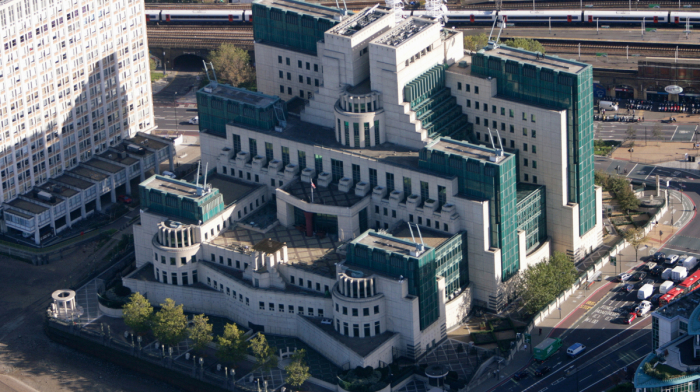
Iran designated Britain's Royal Navy and Royal Air Force as terrorist organisations on Sunday, (1 November), and classified the country's foreign intelligence agency, MI6, as a hostile group, according to a statement from the Iranian Foreign Ministry.
Thousands protested in Albania's capital, Tirana, on Saturday (31 October), demanding Prime Minister Edi Rama's resignation over perceived corruption allegations and dissatisfaction with the government over a lack of jobs and poor education standards.
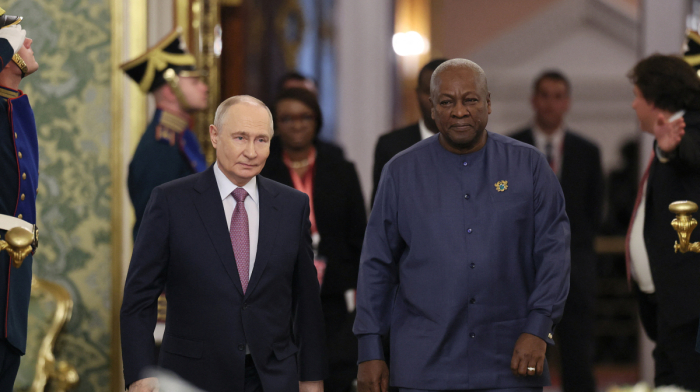
Russia has agreed to work with Ghana on developing a 2,000-megawatt nuclear power plant following talks at the Russia-Africa Summit in Moscow, Ghanaian Foreign Minister Samuel Okudzeto Ablakwa said on Saturday.
Foreign ministers from the U.S., Japan, Australia and India raised concerns over export restrictions and economic coercion at a Quad meeting in Atlanta, U.S., on Saturday, 31 October 2026, according to their joint statement.
You can download the AnewZ application from Play Store and the App Store.
What is your opinion on this topic?
Leave the first comment