Germany is preparing for one of the most significant reforms of its pension system in decades, as Chancellor Friedrich Merz backs proposals aimed at safeguarding retirement incomes in the face of rapid demographic change.
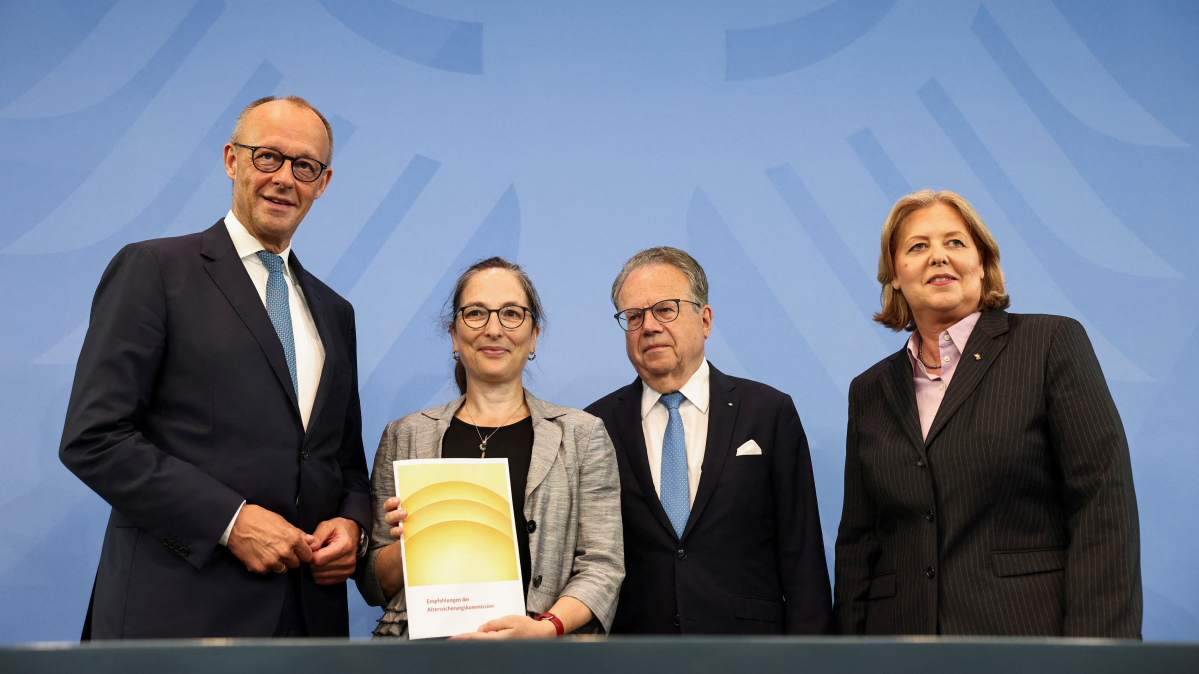
A government-appointed commission has recommended the creation of a Swedish-style pension fund and a gradual increase in the retirement age, arguing that the current system is becoming increasingly unsustainable as the country's population ages.
The recommendations, unveiled on Tuesday, are expected to form the basis of a major pension reform package that the government hopes to finalise in the coming weeks.
A shift towards capital market investment
At the heart of the proposals is the creation of a pension fund modelled on Sweden's system, under which mandatory contributions from workers and employers would be invested in financial markets to help finance future pensions.
Merz described greater use of capital markets as essential to ensuring the long-term sustainability of Germany's retirement system.
"The use of the capital market in the statutory pension scheme is perhaps the key factor in determining the long-term viability and stability of our pension system," he told a conference organised by Germany's BDI industry federation.
The proposed reform would mark a significant departure from Germany's current pay-as-you-go model, in which contributions from today's workers are used directly to fund the pensions of current retirees.
Growing pressure on the existing system
Germany's pension system has come under increasing strain as life expectancy rises and birth rates remain low. As a result, the ratio of workers to retirees has steadily declined, placing greater financial pressure on public finances and younger generations.
Supporters of reform argue that incorporating capital market investments would help reduce future contribution burdens while providing more stable retirement benefits.
Merz said the changes would help keep pension contributions manageable and ensure younger workers could continue to rely on secure pensions in the decades ahead.
He also called for a swift agreement with his centre-left coalition partners to implement the commission's recommendations.
Support from coalition partners
Labour Minister Baerbel Bas, who also serves as co-leader of the Social Democratic Party (SPD), voiced support for adopting the package in full.
Her endorsement comes despite criticism from parts of the political left and trade unions, particularly regarding plans to raise the retirement age.
"I want to make it clear here: I want to implement this package," Bas said during a news conference.
The proposal highlights growing consensus within the coalition that substantial reform is necessary to address long-term demographic challenges.
Retirement age could rise towards 70
Among the most controversial recommendations is a gradual increase in the retirement age linked to life expectancy.
Under the commission's proposal, the retirement age would continue rising beyond the currently planned threshold of 67, eventually reaching around 70 by the early 2090s.
The report also recommends ending the option that allows some workers to retire at 63 without pension reductions.
Supporters argue the measures reflect the reality of longer life spans and healthier ageing populations. Critics, however, warn that extending working lives could disproportionately affect those in physically demanding occupations.
Boost for investment and economic growth
Beyond pension sustainability, the proposed investment fund could have wider economic benefits.
According to Merz, the new system could channel at least €30 billion annually into financial markets, providing additional capital for investment across the German economy.
The government hopes this would not only strengthen retirement finances but also support economic growth at a time when Europe's largest economy is facing persistent challenges.
Long-debated reforms gain momentum
Calls to modernise Germany's pension system have circulated for years among economists, business groups and policymakers. Many have argued that relying solely on current workers' contributions is increasingly risky as demographic pressures intensify.
Previous reform attempts have often stalled because of political disagreements and competing interests between current pensioners and younger generations funding the system.
With Germany's ageing population continuing to grow, however, pressure is mounting on policymakers to find a long-term solution.
The commission's recommendations now place pension reform firmly at the centre of the government's agenda, setting the stage for what could become one of the most consequential economic policy debates of the decade.
























What is your opinion on this topic?
Leave the first comment