Bolivia showed signs of returning to normality on Sunday after President Rodrigo Paz declared a state of emergency to end a 50-day social crisis that had paralysed transport networks across the country.
Bolivia’s emergency decree has moved the country into a new phase after weeks of road blockades disrupted supplies of food, fuel and medicines.
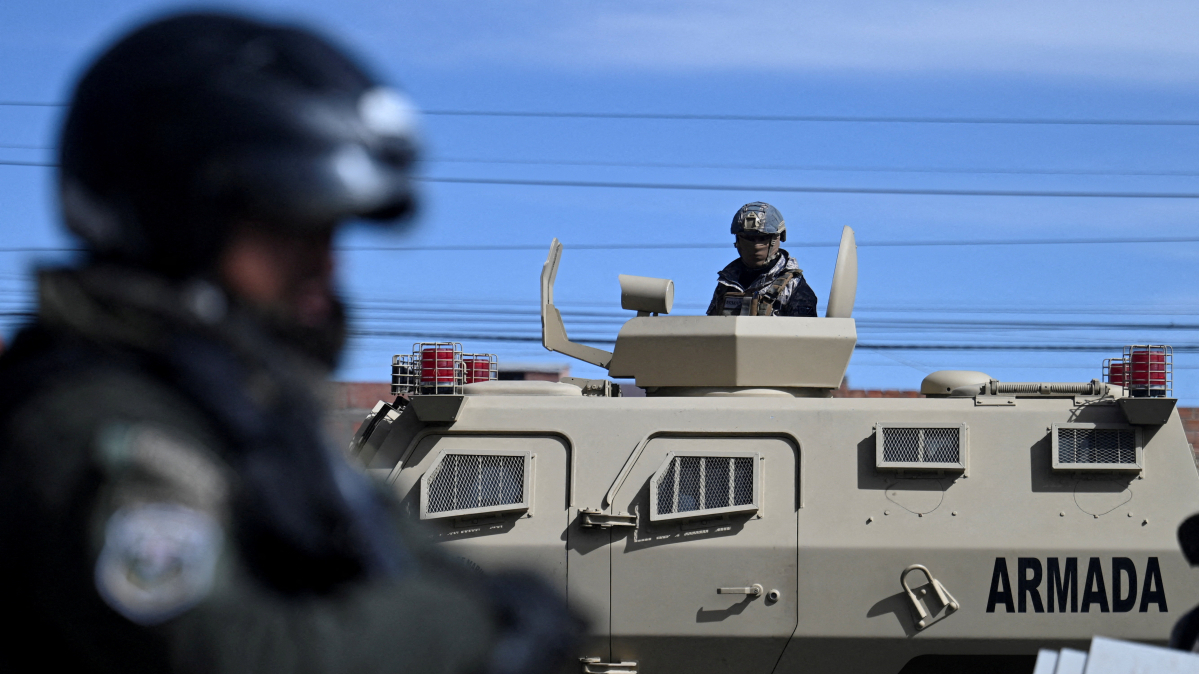
President Rodrigo Paz declared a state of emergency to restore transit and allow police and military forces to clear blocked routes. The measure comes after more than six weeks of unrest that placed heavy pressure on major cities, including La Paz and El Alto.
Key protest groups suspend actions
The move coincided with signs that tensions were beginning to ease.
In Santa Cruz department, authorities and protest leaders reached an agreement to lift a major blockade in San Julian, a key transport hub. Meanwhile, a prominent campesino federation in La Paz said it would suspend its protests, while stressing that its demands remained unresolved.
Bolivia’s highway authority reported a reduction in protest-related blockades on major roads. Officials, however, warned that clean-up and repair work would be needed before normal transit could fully resume in damaged areas.
Fuel subsidy cuts sparked unrest
The crisis began after Paz, who took office in November, moved to cut long-standing fuel subsidies as part of efforts to reduce the budget deficit, amid a worsening shortage of U.S. dollars and talks with the International Monetary Fund.
Although the government later introduced measures to stabilise fuel prices and reversed controversial land reforms, the demonstrations widened.
Trade unions and social organisations demanded higher wages, solutions to fuel and currency shortages, and, eventually, Paz’s resignation.
Concerns remain despite easing tensions
Police and military personnel remain deployed in parts of the country. The reduction in protests has raised hopes that the crisis may be entering a less confrontational phase.
But analysts and legal experts warn that emergency powers alone may not resolve the deeper economic and social grievances behind the unrest.
New Year celebrations bring calls for unity
The easing of tensions coincided with celebrations marking the Andean-Amazonian New Year, an important cultural event observed by indigenous communities across Bolivia.
At ceremonies held nationwide, government officials and indigenous representatives appealed for reconciliation and national unity.
Speaking at an event in La Paz, Tourism Minister Cinthya Yanez expressed hope that prosperity and abundance would return to the country, and that Bolivians would once again join hands after weeks of disruption and division.














What is your opinion on this topic?
Leave the first comment