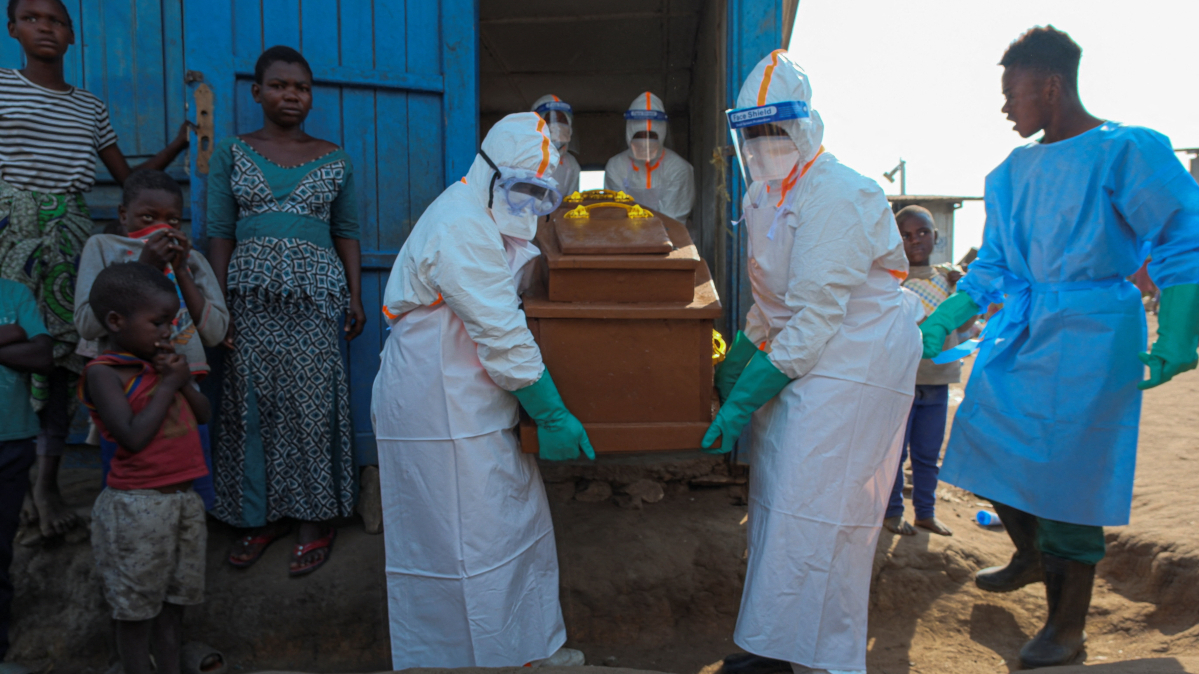
The Democratic Republic of Congo has recorded 1,003 confirmed Ebola cases, including 254 deaths, as health officials warn the outbreak could escalate without rapid intervention.
Latest government figures show the virus spreading across the eastern provinces of Ituri, North Kivu and South Kivu, with Ituri accounting for nearly 95% of cases.
"Despite this progression, response teams continue active investigations, epidemiological surveillance and prevention actions in affected areas," the Health Ministry said.
Roger Kamba, the DRC's Health Minister, said there was an improvement in recovery rates, but a concerning decrease in contact tracing. At least 100 recoveries have been recorded while 365 patients remain in isolation or hospital.
"Our priority is to detect cases quickly, treat the sick free of charge and raise awareness," Kamba told reporters in the city of Bunia. "The disease exists, but it can be defeated if everyone plays their part."
Last week, the Africa Centres for Disease Control and Prevention warned the current outbreak could surpass the 2014-2016 western African epidemic, which killed more than 11,000 people.
A total of 75 healthcare workers have contracted Ebola since the outbreak was declared on 15 May, with 17 dying of the virus, according to WHO Emergency Director Marie Roseline Belizaire.
"It is a really high price that the healthcare system is paying," she said.
She said that shortages of basic protective gear, including gloves and masks, are making the situation even more dangerous for those on the front line.
Belizaire added that approximately 90 per cent of Ebola patients initially showed no hemorrhagic symptoms, leading many to self-medicate or consult traditional healers.
Scientists from Uganda and the DRC have confirmed the Ebola Bundibugyo strain resulted from a new wildlife spillover, ruling out links to previous outbreaks.
Limited workforce adds to pressure
The Democratic Republic of the Congo has one of the lowest ratios of healthcare workers in the world, with around 11 per 10,000 people, according to WHO data.
The limited workforce has compounded the impact of infections among medical staff, further straining the country’s ability to respond effectively.
To help address the gap, international support is being mobilised. Belizaire said China and Uganda have begun sending medical teams to assist with the response.
Psychological toll on frontline staff
Beyond physical risk, the outbreak is also taking a mental toll on healthcare workers.
The WHO has begun providing psychological support to medics who are struggling after witnessing colleagues fall ill.
“When they are explaining to you how they live it, how they were infected … it can break your heart,” Marie Roseline Belizaire said.
Some staff have reportedly been reluctant to treat patients out of fear, highlighting the emotional strain of working in such conditions.
Growing concern over containment efforts
The combination of rising infections, limited resources and pressure on health workers is raising concerns about authorities’ ability to contain the outbreak quickly.
Officials warn that improving protection for medical staff and strengthening the healthcare response will be critical to slowing transmission.
As infections continue to rise, authorities and international partners face an urgent challenge to prevent the outbreak from escalating further.











What is your opinion on this topic?
Leave the first comment